
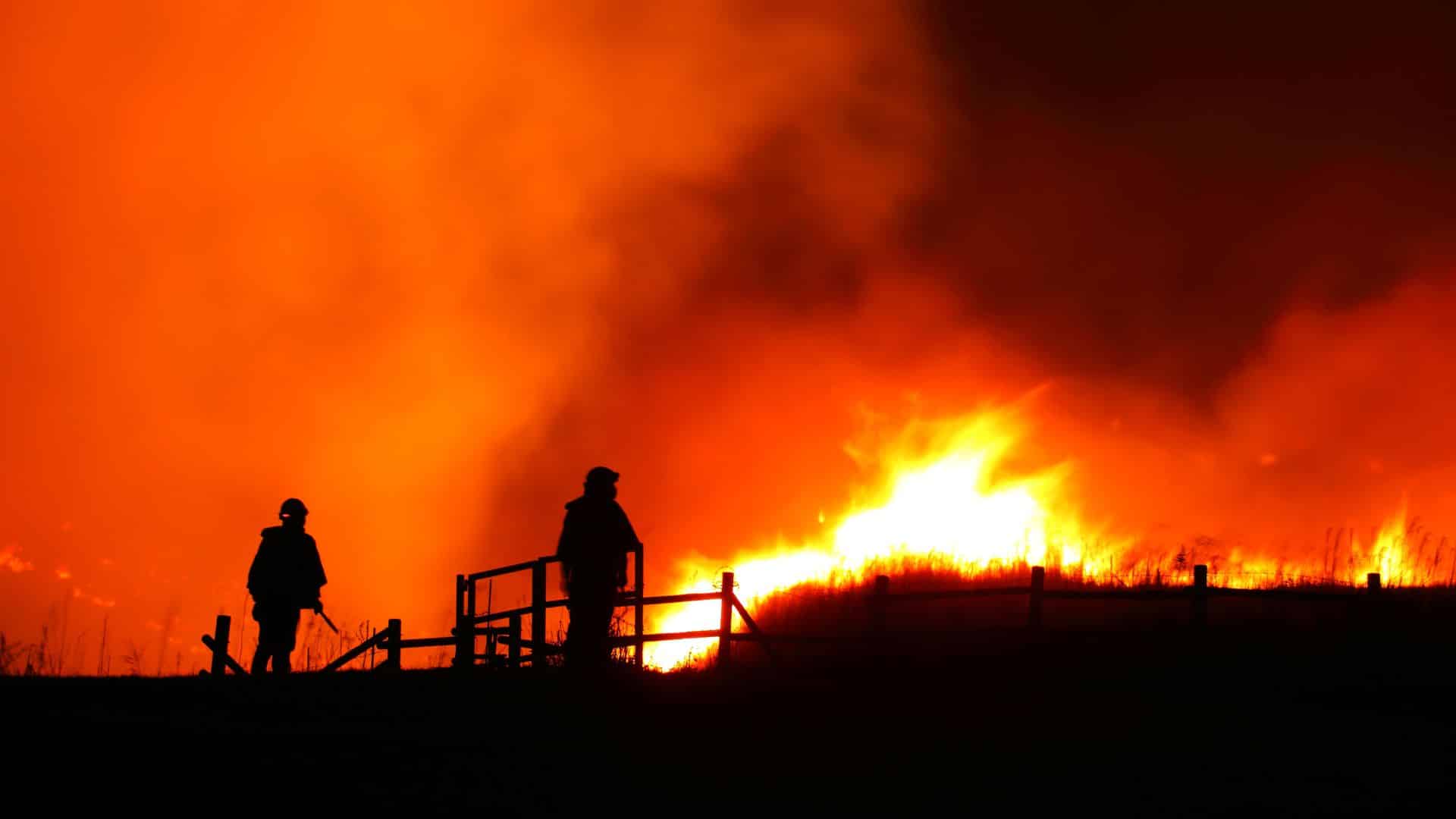
What Does Wildfire Compliance Actually Mean for Your Property?
Wildfire compliance refers to meeting specific defensible space requirements designed to reduce fire risk around your home. In Colorado Springs and throughout El Paso County, these requirements involve creating zones around your home designed to mitigate the spread of wildfire.
You’re required to maintain a minimum of 30 feet of defensible space immediately surrounding your home, though many fire districts now recommend extending this to 100 feet or more, depending on your property’s slope and vegetation density.
The regulations focus on spacing between trees, removing dead or diseased vegetation, trimming branches away from structures, and eliminating ladder fuels that allow fire to climb from ground level into tree canopies.
Read Also: Tree Placement Colorado Springs: Common Mistakes Homeowners Make and How to Fix Them
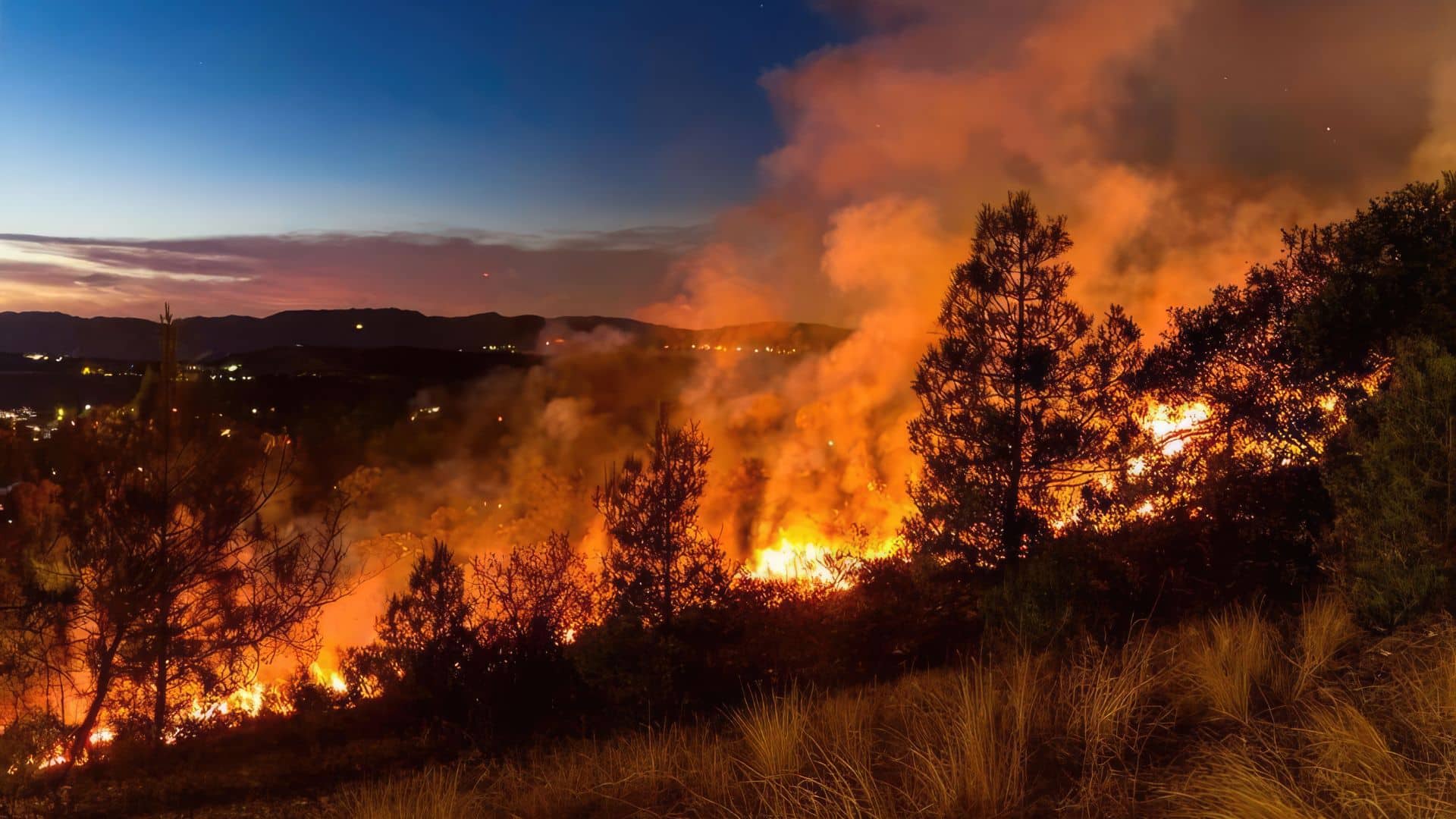
Why 2026 Has More Homeowners Concerned About Compliance
This year has brought heightened awareness about wildfire risks across the Pikes Peak Region for several important reasons:
- Colorado experienced significant wildfire activity in recent years, and insurance companies are now scrutinizing properties more carefully, with some requiring proof of mitigation efforts.
- Local fire districts have increased enforcement of defensible space requirements, conducting more frequent inspections and issuing compliance notices to homeowners.
- This year has had unusually low precipitation and warm weather, making wildfires more likely.
You may have received a letter from your HOA, fire district, or insurance provider requesting documentation of your wildfire mitigation efforts, leaving you uncertain about where to start. Consulting with a tree care service like Peak Tree can give you clarity on how to protect your property from wildfire risk.
The Confusion Most Homeowners Face: Wondering Which Trees are Wildfire Compliant
You’re not alone if you feel overwhelmed by conflicting information about what compliance actually requires. Many homeowners don’t understand the difference between general tree trimming and true fire mitigation. You might wonder which trees need to be removed entirely versus which ones can stay with proper maintenance, or how to balance fire safety with maintaining the mature trees that drew you to your property in the first place.
The technical language in compliance documents: terms like “crown spacing,” “ladder fuels,” and “defensible zones” can feel like a foreign language when you’re simply trying to protect your home. What makes this even more challenging is that every property is different, with unique topography, tree species, and proximity to wildland areas that all affect your specific compliance requirements. When it comes to fire mitigation, generic advice from the internet will rarely apply to your exact situation.
See Also: 7 Signs Your Colorado Springs Property Needs Professional Tree Trimming
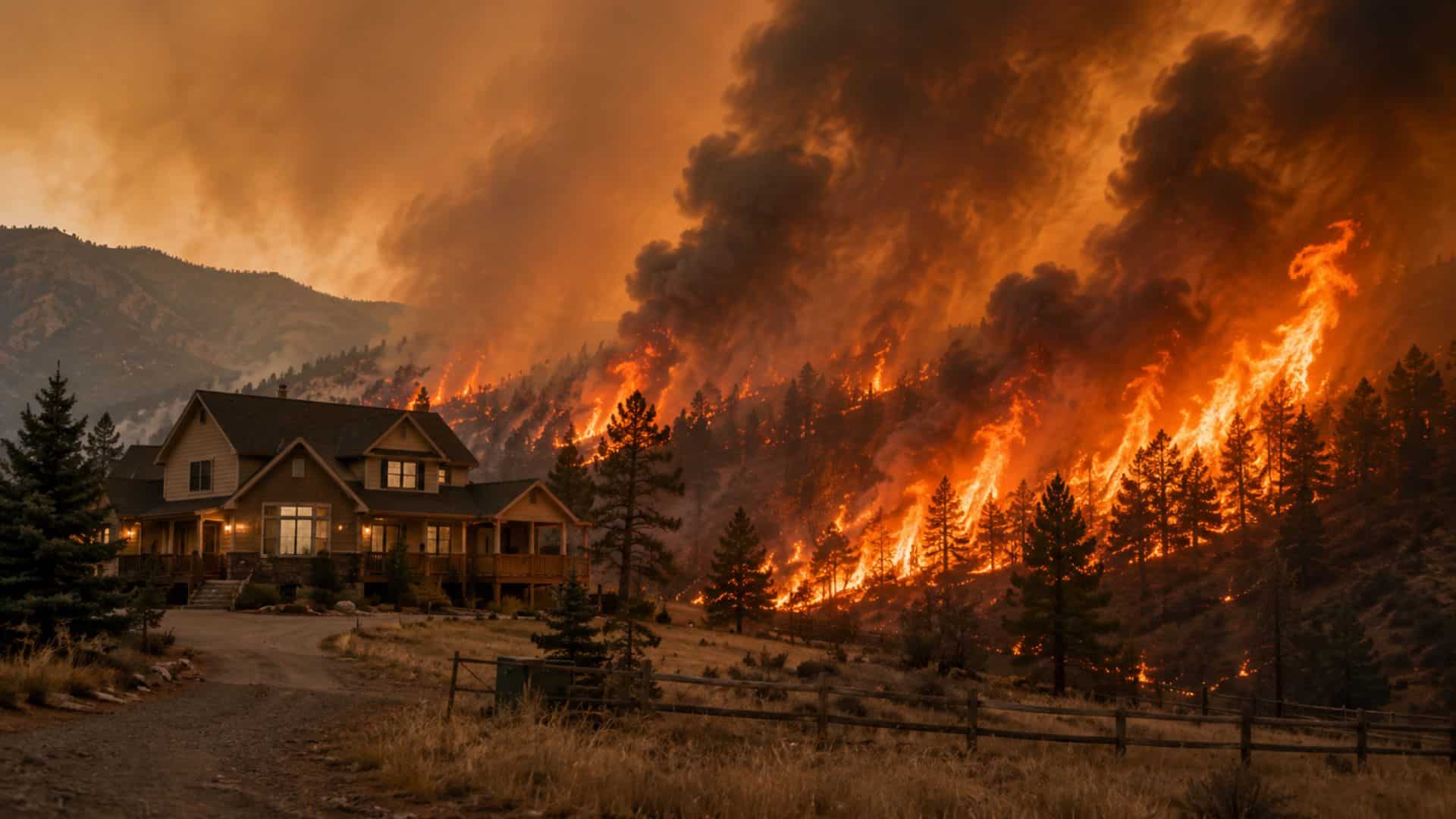
How to Know If Your Trees Are Wildfire Compliant Right Now
The first step is to have a tree care service assess your property. Tree care professionals can evaluate the spacing between your trees; generally, crowns should be separated by at least 10 feet, with greater distances required on slopes where fire travels faster uphill.
They’ll look for dead or dying trees, which are essentially fuel waiting to ignite, and identify any trees with branches hanging within 10 feet of your roof, chimney, or other structures. They will also examine the area beneath your trees for accumulations of needles, cones, and dead branches that create dangerous ground fuels, and check whether lower branches have been pruned high enough to prevent fire from climbing into the canopy.
What Sets Peak Tree Service Apart in Wildfire Mitigation
Unlike general tree companies that treat wildfire mitigation as an afterthought, we’ve made it a core specialty, backed by dedicated training and proven methods. Owner Don Ruybal personally conducts every property assessment, bringing over 15 years of experience working specifically with Colorado Springs properties and their wildfire challenges. You’ll receive a detailed, itemized quote during your same-day inspection that explains exactly which trees are wildfire compliant, eliminating the confusion that comes from vague recommendations.
We create comprehensive mitigation plans that maintain your property’s beauty while achieving full compliance with local fire district requirements, and we provide documentation you can submit to insurance companies or HOAs. Our team understands the specific tree species common to the Pikes Peak Region, from Ponderosa pines to scrub oak, and we know how each species should be managed for optimal fire resistance. Most importantly, we’re fully licensed and insured with over 200 five-star reviews from neighbors who trusted us with their properties, and we back every job with our satisfaction guarantee.
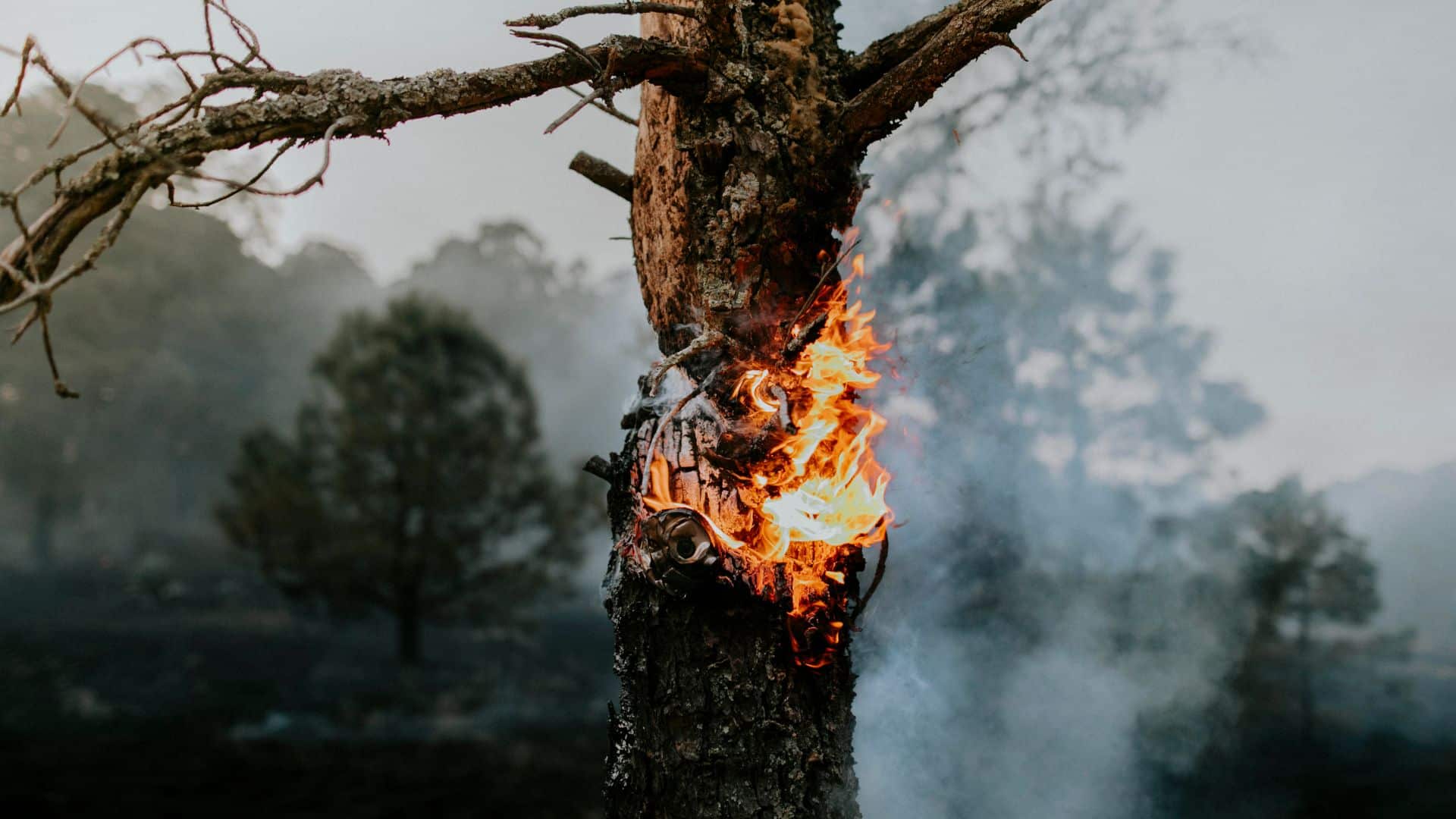
The Real Cost of Delaying Wildfire Compliance
Putting off compliance work might seem like a way to save money now, but it often costs you significantly more in the long run. Insurance companies are increasingly denying coverage or dramatically raising premiums for non-compliant properties, and some homeowners have faced policy cancellations, making it extremely difficult and expensive to secure new coverage. If your local fire district issues a compliance notice and you fail to address it within the specified timeframe, you could face fines that accumulate until you complete the required work.
Beyond financial penalties, non-compliant properties face a substantially higher risk of catastrophic loss during wildfires, which no amount of money can truly compensate for. If a wildfire forces emergency mitigation, firefighters will remove whatever vegetation they deem necessary without regard for the mature trees you may hope to preserve.
You May Also Like: Seasonal Wildfire Mitigation Plan: Protecting Your Colorado Springs Property Throughout the Year
Ensure Your Trees are Wildfire Compliant with an Assessment from Peak Tree Service
Your trees and your property deserve expert care from a team that understands both tree health and wildfire safety. At Peak Tree Service, we’ve helped thousands of Colorado Springs homeowners achieve compliance while preserving the natural beauty that makes their properties special, and we’re ready to do the same for you. You’ll work directly with owner Don Ruybal, who brings personal attention and expertise to every assessment, ensuring you receive honest recommendations tailored to your specific situation and budget.
Don’t wait for a compliance notice, insurance issue, or wildfire threat to force your hand. Take control of your property’s safety now with a free assessment that gives you clarity and a clear path forward. Reach out to Peak Tree Service today to schedule your free wildfire compliance assessment. We’re available Monday through Saturday from 7 AM to 9 PM, and we’re ready to provide expert solutions to protect your home and give you the peace of mind you deserve.
FAQs: Trees are Wildfire Compliant
How far apart do trees need to be for wildfire compliance in Colorado Springs?
Tree crowns generally need to be spaced at least 10 feet apart to meet defensible space requirements, with greater distances required on sloped properties where fire travels faster. The exact spacing depends on your property’s elevation, slope, and proximity to wildland areas, which is why a professional assessment ensures you meet specific fire district standards. Proper crown spacing prevents fire from jumping between trees and reduces the intensity of flames that could reach your home.
Will my homeowners insurance require proof of wildfire mitigation?
Yes, many insurance companies in Colorado are now requiring documentation of wildfire mitigation efforts before issuing or renewing policies, especially for properties in high-risk areas. Some insurers are denying coverage or significantly increasing premiums for non-compliant properties, making professional mitigation work essential for maintaining affordable insurance. Contact Peak Tree Service for a free assessment and compliance documentation you can submit directly to your insurance provider.
What's the difference between regular tree trimming and wildfire mitigation?
Wildfire mitigation involves strategic removal of ladder fuels, creating specific crown spacing between trees, and managing vegetation in defensible zones according to fire district requirements, not just general trimming for aesthetics. Regular tree trimming focuses on tree health and appearance, while mitigation specifically addresses fire behavior, fuel loads, and compliance with local regulations. True wildfire compliance requires understanding both tree biology and fire science to protect your property effectively while maintaining tree health.
Related posts:
 Seasonal Wildfire Mitigation Plan: Protecting Your Colorado Springs Property Throughout the Year
 Tree Trimming vs. Tree Topping: What Colorado Springs Homeowners Need to Know
 Tree Placement Colorado Springs: Common Mistakes Homeowners Make and How to Fix Them
 Tree Maintenance Increases Home Value: How Proper Care Increases Your Property’s Worth