

Summary: Acknowledging tree storm damage risk can protect your property before the next severe weather event hits. Warning signs include leaning trees, trunk cracks, dead branches, root damage, and unaddressed previous storm damage, all of which make your trees vulnerable to failure during high winds, hail, or heavy snow. Colorado’s unique climate challenges, including dramatic temperature swings, intense winds, and clay-heavy soil, place additional stress on trees, which can lead to catastrophic failure.
The Reality of Tree Storm Damage Risk in Colorado Springs (And Why Your Property Might Be Next)
You’ve seen what our weather can do. One minute it’s a beautiful sunny day, and the next, you’re dealing with 70 mph winds, golf-ball-sized hail, or a sudden snowstorm that dumps wet, heavy snow on everything. Your trees take the brunt of these storms, and you might think your trees look fine from the ground, but many homeowners discover the hard way that their “healthy-looking” tree was actually a ticking time bomb. Tree damage often starts on the inside or up in the canopy, where you can’t easily see it. By the time you notice something’s wrong, it’s often too late for your tree.
Related: Storm Preparation for Trees in Colorado Springs: How to Protect Against High Winds This Summer

Warning Sign #1: Your Tree Is Leaning More Than It Used To
Trees don’t start leaning for fun. A leaning tree usually means the root system is compromised, and that’s a serious problem when storms roll through. Pay attention if your trees have developed a noticeable tilt, especially if they’re leaning more after recent storms or heavy spring runoff.
You should also look at the base of the tree carefully. If you see soil that’s cracked, raised, or mounded on one side, that’s your tree trying to pull itself out of the ground. Some trees naturally grow at an angle, but a sudden lean or an increasing tilt is your tree waving a red flag at you. Don’t ignore tree storm damage risks.
Warning Sign #2: Cracks, Splits, and Cavities in the Trunk
Cracks often develop after lightning strikes, previous storm damage, or from the stress of rapid temperature changes. You might also notice splits where major branches connect to the trunk. Cavities and hollow areas are another major concern, even if the tree looks good from the outside.
You can sometimes spot these by looking for holes in the trunk, areas where bark is missing, or places where the wood looks soft or crumbling. If you tap on the trunk and hear a hollow sound instead of a solid thunk, that’s a clear indication that decay has taken hold inside.
Read Also: Stressed Pine Trees Colorado Springs: How to Identify and Address Tree Stress
Warning Sign #3: Dead or Dying Branches Throughout the Canopy
One of the most common tree storm damage risks is dead branches. Dead branches don’t have leaves during the growing season, the bark might be peeling off, and they often look brittle and gray instead of the healthy brown of living wood. Here’s a simple test you can do: scratch a small area of bark on a suspicious branch with your fingernail. If the layer underneath is green, the branch is alive; if it’s brown or gray, that branch is dead and needs to come down.
Dead branches are particularly common when trees experience harsh winters, mountain pine beetle infestations, or disease, and they become increasingly brittle over time. When storm winds start whipping through your property, these dead branches can break off and cause serious damage to your home, vehicles, or anyone unfortunate enough to be underneath.
Warning Sign #4: Visible Root Damage or Fungal Growth
Your tree’s roots are its foundation, and when that foundation is compromised, the entire tree becomes unstable. You should be concerned if you can see roots that are damaged, cut, or exposed above the soil surface. Roots can also be damaged by compacted soil, poor drainage, or even by sidewalks and driveways installed too close to the tree. Another telling sign is fungal growth or mushrooms appearing near the base of your tree. Fungi feed on decaying root tissue, which means your tree is rotting away underground.
Warning Sign #5: Previous Storm Damage That Was Never Properly Addressed
If your tree lost major branches in a previous storm and you never had it properly trimmed and treated, those old wounds are now entry points for decay, insects, and disease. You’ll see this as areas where bark is missing, large scars on the trunk, or stubs where branches broke off instead of being cleanly cut. Trees can sometimes compartmentalize damage and continue growing, but improperly healed wounds create weak points that are likely to fail during the next severe storm.
Why Waiting Could Cost You Everything
You might be tempted to wait and see if your questionable tree makes it through another season, but that’s a gamble with potentially devastating consequences. A falling tree can cause tens of thousands of dollars in damage, and that’s assuming no one gets hurt in the process.
Another downside is that your homeowner’s insurance might not cover the damage if they determine you were negligent by ignoring obvious warning signs.
Tree storm damage risks the lives of your family, your neighbors, and anyone who visits your property every day that an unstable tree remains standing. Removing a problematic tree now will cost a fraction of what you’ll pay for emergency removal after it’s already fallen.
You May Also Like: Tree Risk Assessment Colorado Springs: How Professional Tree Specialists Evaluate Your Property
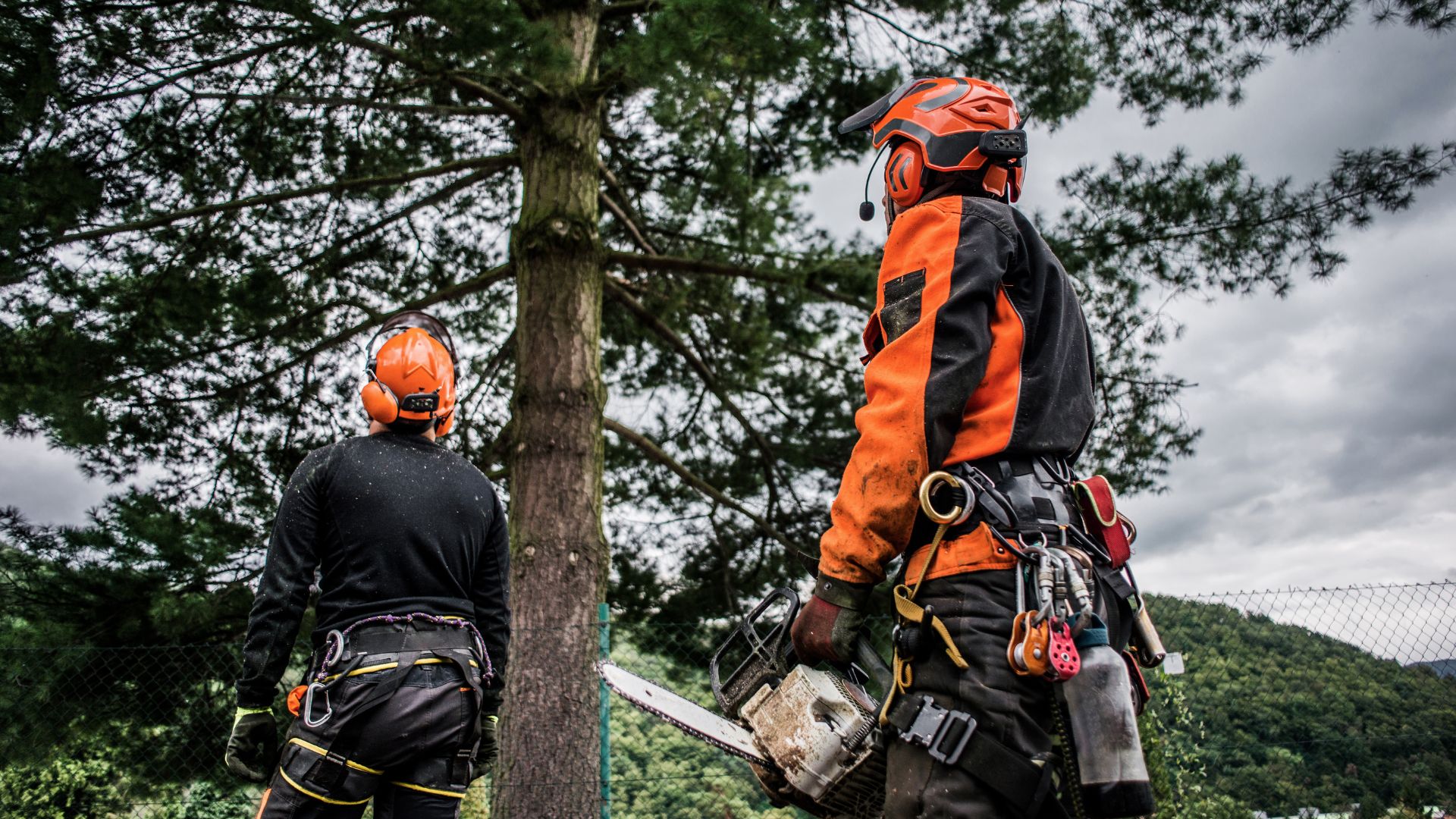
What Sets Peak Tree Service Apart When You Need Help
When you’re facing tree storm damage risks, you need a tree service company that responds quickly, provides honest assessments, and delivers quality work at a fair price; that’s exactly what Peak Tree Service has been doing for Colorado Springs homeowners since 2008. We stand out from other local tree service companies. At Peak Tree Service, owner Don Ruybal will personally inspect your trees and provide your estimate during the same visit, which means you’re getting an assessment from someone who actually knows trees, not some salesguy.
With us, you’ll receive transparent, itemized pricing with no hidden fees or surprise charges, because we believe you deserve to know exactly what you’re paying for and why. Our team is fully licensed, insured, and we’ve earned over 200 five-star reviews by consistently delivering on our promises and treating properties with respect.
Mitigate Tree Storm Damage Risk Before Monsoon Season Hits with Peak Tree Service
You don’t have to face tree storm damage risk alone or try to figure out whether your trees are safe on your own. Peak Tree Service offers fast, free quotes that give you the information you need to make informed decisions about your property. We’ll assess your trees honestly, explain any concerns we find in plain language, and provide you with options that fit your budget and priorities.
Don’t wait until you’re watching your tree crash through your roof during the next windstorm. Get in touch with Peak Tree Service today for your free, no-obligation assessment. The next storm is coming. Make sure your trees are ready for it.
FAQs: Tree Storm Damage Risk
How do I know if my tree is at risk of falling during a storm?
Look for warning signs like a noticeable lean, cracks or splits in the trunk, dead branches in the canopy, exposed or damaged roots, and fungal growth near the base of your tree. Trees with previous storm damage that was never properly addressed are also at high risk of failure during severe weather. If you notice any of these signs, it’s time to have your tree professionally assessed before the next storm hits.
Can a tree with storm damage be saved, or does it need to be removed?
Not all storm-damaged trees need to be removed. It depends on the extent and location of the damage, the tree’s overall health, and its structural integrity. Minor damage like broken branches can often be corrected with proper pruning, while severe trunk damage, extensive root compromise, or large cavities typically mean removal is the safer option. Contact Peak Tree Service for a free assessment from owner Don Ruybal, situation.
What makes Colorado Springs trees more vulnerable to storm damage than trees in other areas?
Colorado Springs trees face unique challenges including high-altitude UV stress, dramatic temperature swings that cause bark splitting, clay-heavy soil with poor drainage, low humidity, and sudden severe weather events like late-spring snowstorms on leafed-out trees. Our notorious high winds can gust to extreme speeds with little warning, putting additional stress on trees that may already be weakened by these environmental factors. These combined stressors make regular tree maintenance and proactive assessment particularly important for protecting your property in the Pikes Peak region.
Related posts:
 Dead Tree Removal in Colorado Springs: Why Immediate Action Protects Your Home
 Ice Storm Tree Protection: Safeguarding Your Colorado Springs Property Before Winter Weather
 Storm Preparation for Trees in Colorado Springs: How to Protect Against High Winds This Summer
 Tree Risk Assessment Colorado Springs: How Professional Tree Specialists Evaluate Your Property