Summary: You need to pay attention to Tree placement in Colorado Springs because of our unique climate and environmental challenges. Proper placement considers mature tree size, root spread, sun exposure, and proximity to prevent costly damage and maintenance issues. Peak Tree Service offers expert assessments, pruning, removal, and wildfire mitigation tailored to local conditions, ensuring healthy trees and protected properties. Acting early with professional guidance can save homeowners from expensive repairs and safety hazards.
Why Tree Placement Matters More in Colorado
Colorado’s climate challenges even the hardiest trees. Our high altitude, intense sun exposure, temperature swings, and occasional severe weather can turn a tree in the wrong spot into a liability. You need to think about mature tree size, root spread, sun exposure, and proximity to structures before you ever dig that first hole. Relocating or removing a mature tree costs significantly more than planting it correctly, and at Peak Tree Service, we’ve seen countless homeowners learn this lesson the expensive way.
Planting Too Close to Your Home
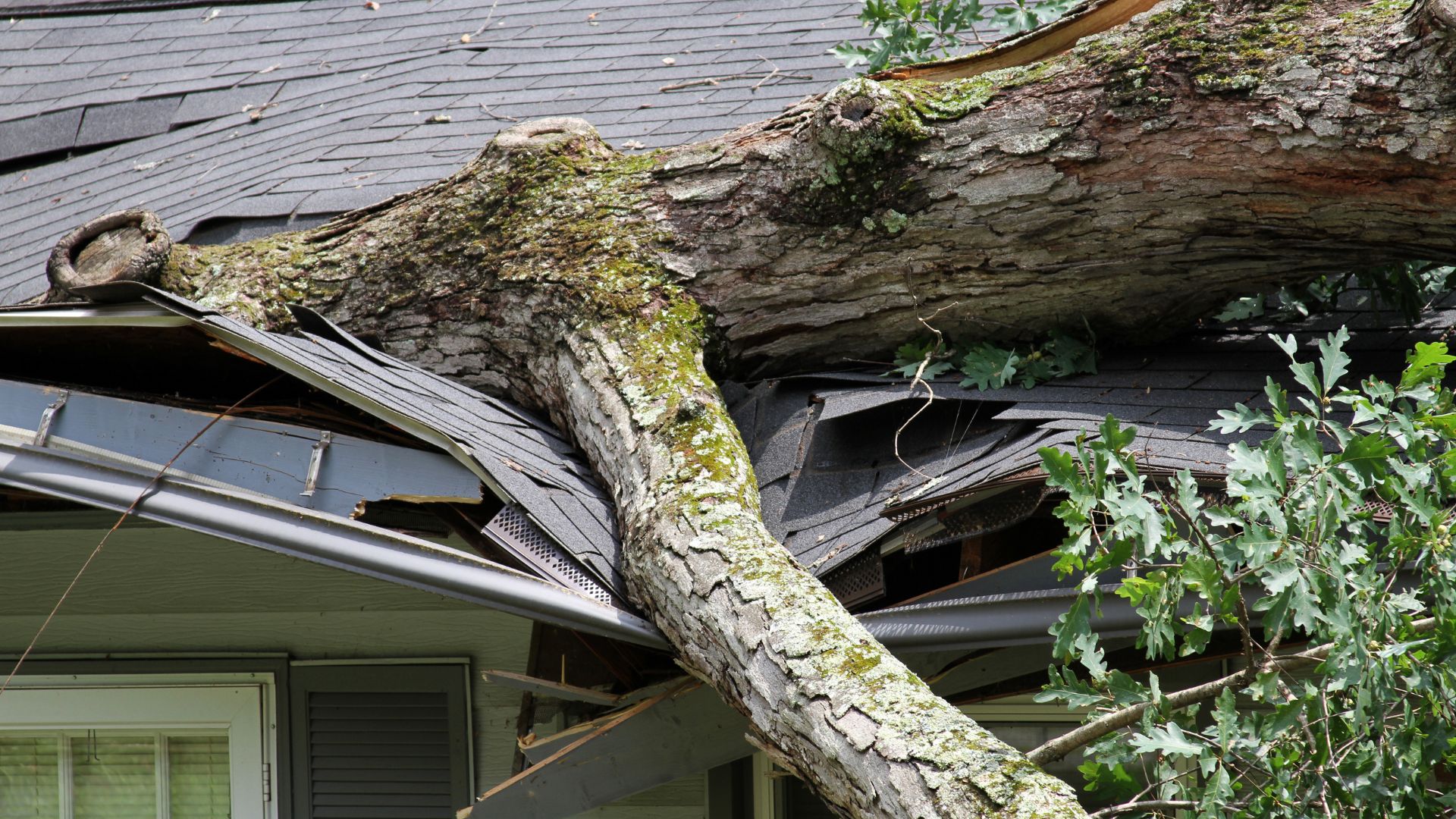
Tree placement matters because their root systems spread wider than their canopies. When roots encounter your foundation, they won’t politely stop growing. They will cause cracks, moisture problems, and structural damage that could cost thousands to repair. Tree branches will also become a problem as it grows. Branches that hang over your roof will drop debris into gutters, scrape shingles during windstorms, and provide highways for squirrels and other critters to access your attic.
The Fix: If your tree is still young (under five years old), you might consider transplanting it to a better location. For mature trees that are already too close, strategic pruning can manage branch growth and reduce risk, though it won’t solve root issues. In some cases, removal is the most cost-effective long-term solution. At Peak Tree Service, we provide honest assessments about whether your tree can stay or needs to go, and we’ll never recommend removal unless it’s truly necessary. Our same-day inspection process means you’ll get clear answers quickly, and our transparent pricing ensures you know exactly what you’re paying for.
Read Also: Tree Risk Assessment Colorado Springs: How Professional Tree Specialists Evaluate Your Property
Ignoring Mature Tree Size and Growth Patterns
The adorable tree at the nursery won’t stay little. Blue spruces can reach 50-75 feet with a 20-foot spread. Cottonwoods can tower over 80 feet. Austrian pines, ponderosa pines, and many other species popular in our region grow to impressive sizes that homeowners simply don’t anticipate when they’re planting. You might have chosen the perfect spot for a young tree, but in ten years, that same spot can become unideal.
The best fix is to research a tree’s mature size before planting and plan for that full-grown tree, not the sapling you’re buying today. If you’ve already planted trees that are outgrowing their spaces, regular professional trimming can help manage size and shape, though it’s not a permanent solution. Peak Tree Service specializes in pruning techniques that maintain tree health while addressing your specific concerns about size, clearance, and appearance. Unlike some companies that use aggressive topping methods that damage trees, we focus on proper pruning techniques that keep your trees healthy and beautiful for years to come.
Poor Tree Placement for Utility Lines and Infrastructure
Planting tall-growing species under or near power lines creates ongoing maintenance headaches and safety hazards. Driveways, sidewalks, and patios are also vulnerable to root damage when trees are planted too close. Similarly, tree placement too close to underground utilities such as water lines, sewer pipes, or gas lines can cause costly damage as their root systems expand. Before planting any tree, call 811 to have underground utilities marked, and maintain appropriate distances from all infrastructure.
For existing trees causing problems, root barriers can sometimes redirect growth, though they’re not always effective. At Peak Tree Service, we’ve helped hundreds of Colorado Springs homeowners address tree-infrastructure conflicts with solutions ranging from strategic root management to complete removal when necessary. Our owner, Don Ruybal, personally inspects every property and provides detailed explanations of your options, so you can make informed decisions.

Neglecting Sun and Shade Requirements
Not all trees thrive in full Colorado sun, and not all trees tolerate shade. Poor tree placement regarding sun exposure leads to weak, unhealthy trees that are more susceptible to disease, pest infestations, and storm damage. If your trees are struggling, they’ll require more maintenance, more water, and more intervention than properly placed specimens, and they may never achieve their full potential in terms of beauty or size.
Before selecting a new tree species, make sure to evaluate the sun exposure in your planting area throughout the day and across seasons. For existing trees in wrong locations, you can sometimes improve conditions with supplemental watering, mulching, and protective measures, but these are band-aids rather than cures. If a tree is fundamentally unsuited to its location, it may never thrive, no matter how much care you provide.
At Peak Tree Service, we can assess your struggling trees and provide realistic recommendations about whether they’re worth saving or if removal and replanting with appropriate species makes more sense. We’re committed to the health of your trees and the value of your property, which sometimes means having honest conversations about when to let a tree go.
Planting Without Considering Wildfire Risk
Your tree placement decisions directly impact your home’s defensibility against wildfires. Trees planted too close to structures, especially highly flammable species like junipers and pines, create fuel ladders that carry the fire directly to your home. Overcrowded trees compete for water, nutrients, and sunlight, leading to stunted growth, weak branch development, and increased susceptibility to disease and pests. Overcrowding also creates fire risk. Many homeowners planted their landscapes years ago without considering wildfire mitigation, and now they’re facing difficult decisions about which trees to keep and which to remove to protect their properties and families.
Strategic thinning and spacing reduce fire risk while maintaining your landscape’s beauty. At Peak Tree Service, we offer specialized wildfire mitigation services designed specifically for Colorado Springs properties. We understand local fire department recommendations and can help you create a defensible space plan that’ll protect your home. Our wildfire mitigation work has helped countless homeowners in the Pikes Peak region reduce their risk and keep the Colorado nature in their yard.
Related: Seasonal Wildfire Mitigation Plan: Protecting Your Colorado Springs Property Throughout the Year

Overlooking Water Drainage and Soil Conditions
Colorado Springs soil varies dramatically from one property to another. Some areas have heavy clay, sandy soil, or rocky conditions that challenge root development. Poor tree placement in relation to soil conditions leads to root rot, nutrient deficiencies, and trees that never establish properly; these trees become expensive maintenance problems that require constant intervention just to survive.
Before you plant new trees, assess drainage patterns and soil conditions, and choose species suited to your soil. For existing trees struggling with drainage or soil issues, you can sometimes improve conditions with soil amendments, drainage improvements, or modified watering practices. However, some situations simply can’t be fixed without major landscape renovation. At Peak Tree Service, we can provide practical advice about whether your struggling trees can be saved or if you’re fighting a losing battle. We’ll tell you the truth about your trees’ prospects, even if that truth isn’t what you want to hear.
Ensure Proper Tree Placement with a Little Help from Peak Tree Service
You don’t have to live with tree placement mistakes. Whether you need a single problematic tree removed, a comprehensive wildfire mitigation plan, or regular trimming to manage trees in less-than-ideal locations, Peak Tree Service has the knowledge and equipment to help. We make the process simple: get in touch with Peak Tree Service online to schedule your free quote. We’ll inspect your property, explain your options in plain language, and provide transparent pricing with no hidden fees or surprises.
Don’t wait until a storm brings down that poorly placed tree onto your roof, or until roots cause expensive foundation damage. Take control of your landscape today with professional tree services from a company that genuinely cares about your property and your satisfaction.
FAQs: Tree Placement in Colorado Springs
Why is proper tree placement important in Colorado Springs?
Proper tree placement is essential in Colorado Springs because the unique climate and soil conditions can cause trees to damage foundations, utilities, and infrastructure if planted too close. Correct placement ensures trees thrive while minimizing risks like root damage, storm hazards, and wildfire fuel. Planning ahead saves costly repairs and protects your property’s value.
How far should I plant trees from my home and utility lines?
Trees should generally be planted at least 15-20 feet from your home’s foundation, depending on the species, to prevent root and branch damage. For utility lines, maintaining safe distances and calling 811 before planting helps avoid costly conflicts and safety hazards. Consulting a professional can provide precise recommendations tailored to your property.
What should I do if my trees are poorly placed and causing problems?
If your trees are causing issues like foundation cracks, blocked views, or wildfire risks, professional assessment and services such as pruning, root management, or removal may be necessary. Peak Tree Service offers expert evaluations and customized solutions to address tree placement problems effectively. Contact us today for a free quote and expert guidance.