
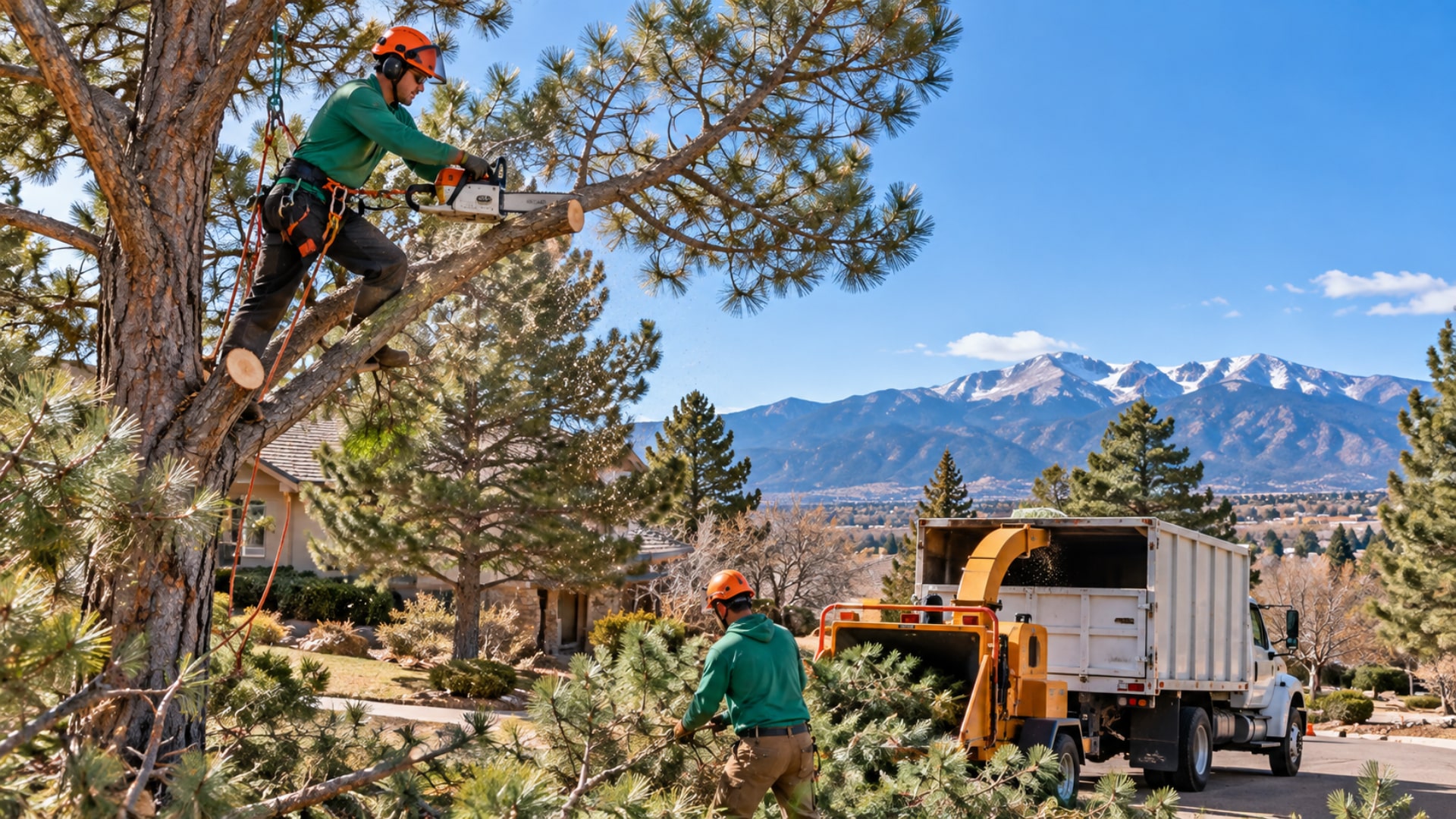
Summary: Tree thinning protects your home from heavy snow damage by reducing branch density and allowing snow to fall through the canopy instead of accumulating. Professional thinning strategically removes competing branches while maintaining your trees’ natural shape and health, significantly lowering the risk of broken limbs crashing onto your roof, vehicles, or property during winter storms. If you need tree thinning, Peak Tree Service provides transparent pricing, same-day quotes, and 20 years of experience properly thinning trees in Colorado Springs.
Why Colorado Springs Snow Can Be Hard on Your Trees
Colorado Springs trees live with fast-changing weather. A warm stretch can be followed by dense, moisture-heavy snow that clings to branches and adds considerable weight. That load can pull limbs downward, open weak branch connections, and expose structural problems that were easy to miss on a sunny day. Trees near homes, garages, play areas, sidewalks, and vehicles deserve even more attention because falling limbs can be especially dangerous.
Read Also: Tree Risk Assessment Colorado Springs: How Professional Tree Specialists Evaluate Your Property
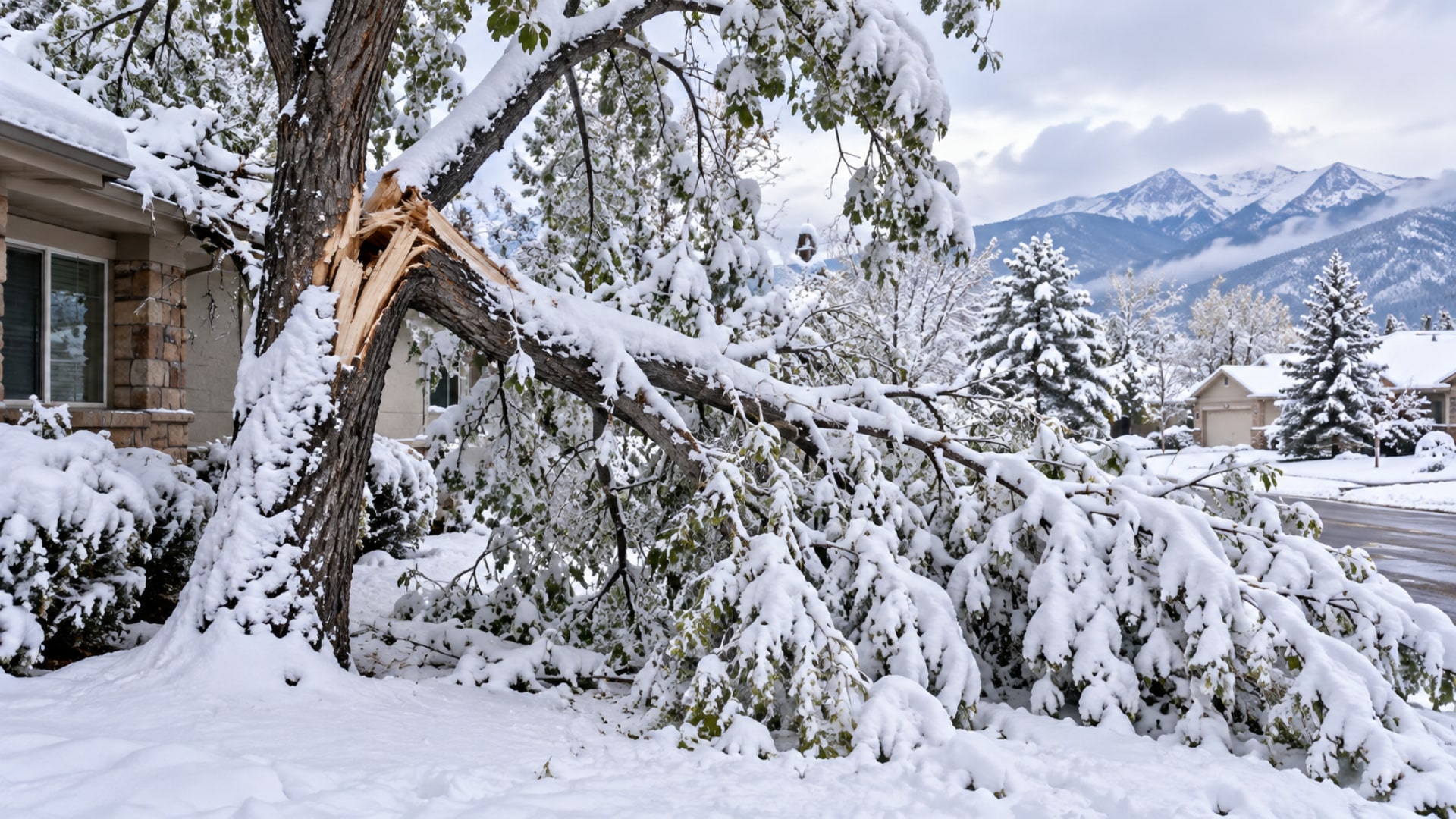
How Tree Thinning Reduces Snow-Load Problems
Tree thinning is a selective form of pruning that removes certain branches throughout the canopy instead of shortening everything from the outside. The goal is to reduce unnecessary density while keeping the tree’s natural shape and enough healthy growth to support long-term strength. When done correctly, thinning can reduce places where wet snow collects while removing branches that are dead, damaged, rubbing, or poorly positioned. It can also make structural concerns easier to identify before winter weather puts them to the test.
What Proper Thinning Should Accomplish
Good thinning requires restraint. Removing too much at once can stress a tree, change how it grows, and create new problems rather than solving the old ones. The right amount of pruning depends on the species, age, location, past maintenance, and surrounding conditions.
A well-planned tree thinning job includes:
- Removing dead, broken, or visibly weakened branches.
- Reducing crowded growth where limbs rub or compete.
- Addressing excess weight on long or poorly balanced branches.
- Creating safer clearance around roofs, driveways, walkways, and structures.
- Improving airflow and light movement through selected parts of the canopy.
- Preserving the tree’s natural form instead of leaving it chopped or misshapen.
When the work is finished, the tree should still look like your tree, just safer, cleaner, and better balanced.
Signs Your Tree May Need Thinning Before the Next Snow
You don’t need to climb into the canopy to spot common warning signs. Stand back and look at how the branches are distributed, then check what sits below and around them. Large dead limbs, crossing branches, heavy growth on one side, or limbs stretching over your roof are all reasons to have the tree looked at. If you notice any cracks, split branch connections, previous storm damage, or hanging branches, you should put tree thinning higher on your priority list.
Related: Winter Tree Damage in Colorado Springs: How Freeze-Thaw Cycles Harm Your Trees
Why Random Cutting Makes the Problem Worse
It can be tempting to rent equipment, grab a saw, and start trimming your trees yourself. But larger tree work can quickly become dangerous when height, branch weight, nearby structures, or power lines come into play. Poor cuts can also leave weak growth or shift weight into areas that were not meant to carry it. A tree that looks lighter is not automatically a tree that is structurally better.
Another common mistake is topping, where major branches are cut back indiscriminately to stubs. That may make a tree look thinner at the moment, but it can lead to an unnatural structure as new growth forms. You want selective pruning based on the tree in front of you. If a company cannot explain why a branch should come off, you should look elsewhere.
Tree Thinning for Colorado Springs Homes and Neighborhoods
Peak Tree Service works throughout Colorado Springs and the Pikes Peak Region, so our recommendations are based on the tree, the property, and the surrounding conditions. Instead of pushing the same service on every homeowner, we’ll give you a clear explanation of what needs attention, what can wait, and what may not need work at all. That is especially useful when you are trying to balance safety with budget. You want the problem solved without being sold a collection of extras you didn’t ask for.
What Peak Tree Service Offers That Makes the Process Easier
At Peak Tree Service, we offer fast, free quotes and convenient scheduling, and owner Don Ruybal personally inspects trees and can provide a quote during the same visit. Clear, itemized pricing helps you understand what you are paying for without unpleasant surprises. Our straightforward process gives you quick answers at a fair price.
You also get the reassurance of working with a locally owned, licensed and insured company with more than 200 five-star reviews. Peak Tree Service focuses on safety, clean work, and honest recommendations, including telling you when a tree does not need unnecessary trimming. We also handle tree removal, wildfire mitigation, stubborn stumps, and 24/7 emergency services, so you don’t have to start over if an inspection uncovers a larger issue.
You May Also Like: Wondering If Your Trees Are Wildfire Compliant in 2026? You’re Not Alone
When to Schedule Tree Thinning
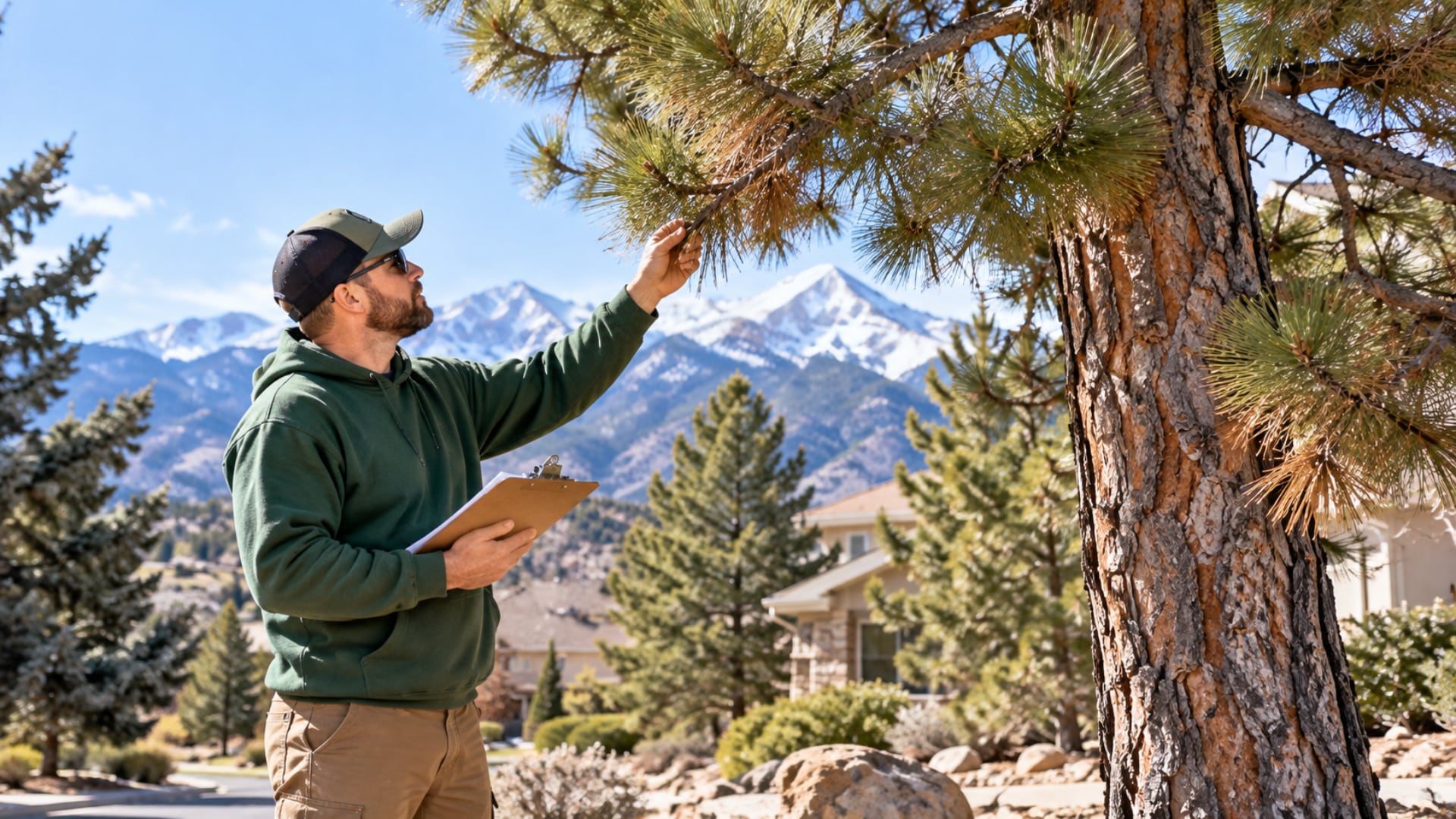
The best time depends on the tree species, its condition, and the type of work needed, so there is no single time that fits every property. What matters most is not waiting until an obviously hazardous branch is carrying several inches of wet snow. If you notice dead wood, crowded limbs, poor clearance, past storm damage, or unusual leaning, schedule an assessment before the next major weather event. Then, you can decide what deserves immediate attention and what can be planned as routine maintenance.
Fall is often a practical time to think about winter readiness, while other pruning may be better timed around the needs of the specific tree. At Peak Tree Service, we can look at your trees and explain the timing in plain language, so you don’t have to figure it out alone. A short visit now can help you avoid a far more complicated call during a storm. That is a trade most homeowners are happy to make.
Get a Speedy Quote on Tree Thinning from Peak Tree Service Today
If your trees are overgrown, crowded, hanging over your home, or showing signs of weak or dead branches, now is a good time to address them before snow adds extra weight to the problem. Peak Tree Service offers local tree care focused on safety, quality, fair pricing, clear communication, and a hassle-free experience from the first inspection through cleanup.
Reach out to us today to schedule your tree assessment and quote in the Colorado Springs area. Protect your home, keep your trees, and head into the next snowstorm with one less thing to worry about.
FAQs: Tree Thinning
When is the best time to thin trees in Colorado Springs?
The ideal time for tree thinning in Colorado Springs is late fall through early spring when trees are dormant, preferably completed by late October or early November before heavy snow season arrives. However, dead or damaged branches overhanging structures should be removed immediately, regardless of season, to prevent storm damage. Reach out to Peak Tree Service for a free assessment to determine the right timing for your specific trees and situation.
How much does professional tree thinning cost in Colorado Springs?
Tree thinning costs vary based on tree size, density, accessibility, and the work required, but investing in preventive thinning is far less expensive than emergency tree removal and property damage after a storm. Peak Tree Service provides transparent, itemized quotes with no hidden fees, and owner Don Ruybal offers same-day quotes during your property visit. The investment protects your home, extends your trees’ lifespan, and gives you peace of mind throughout winter.
What's the difference between tree thinning and tree topping?
Tree thinning is a selective pruning process that strategically removes specific branches throughout the canopy to reduce density while maintaining the tree’s natural shape, health, and structural integrity. Tree topping, on the other hand, involves cutting branches back to stubs, which harms trees and creates weak regrowth that’s often more dangerous than the original branches. Proper thinning strengthens trees and reduces snow load, while topping weakens them and increases future risk.
Related posts:
 Dead Tree Removal in Colorado Springs: Why Immediate Action Protects Your Home
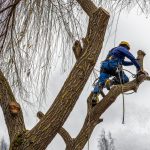 The Critical First 24 Hours: Emergency Tree Removal After Snowstorm in Colorado Springs
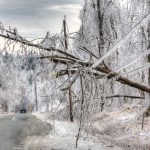 Ice Storm Tree Protection: Safeguarding Your Colorado Springs Property Before Winter Weather
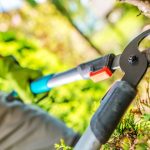 Spring Tree Inspections in Colorado Springs: Pre-Season Checklist for Pikes Peak Homeowners