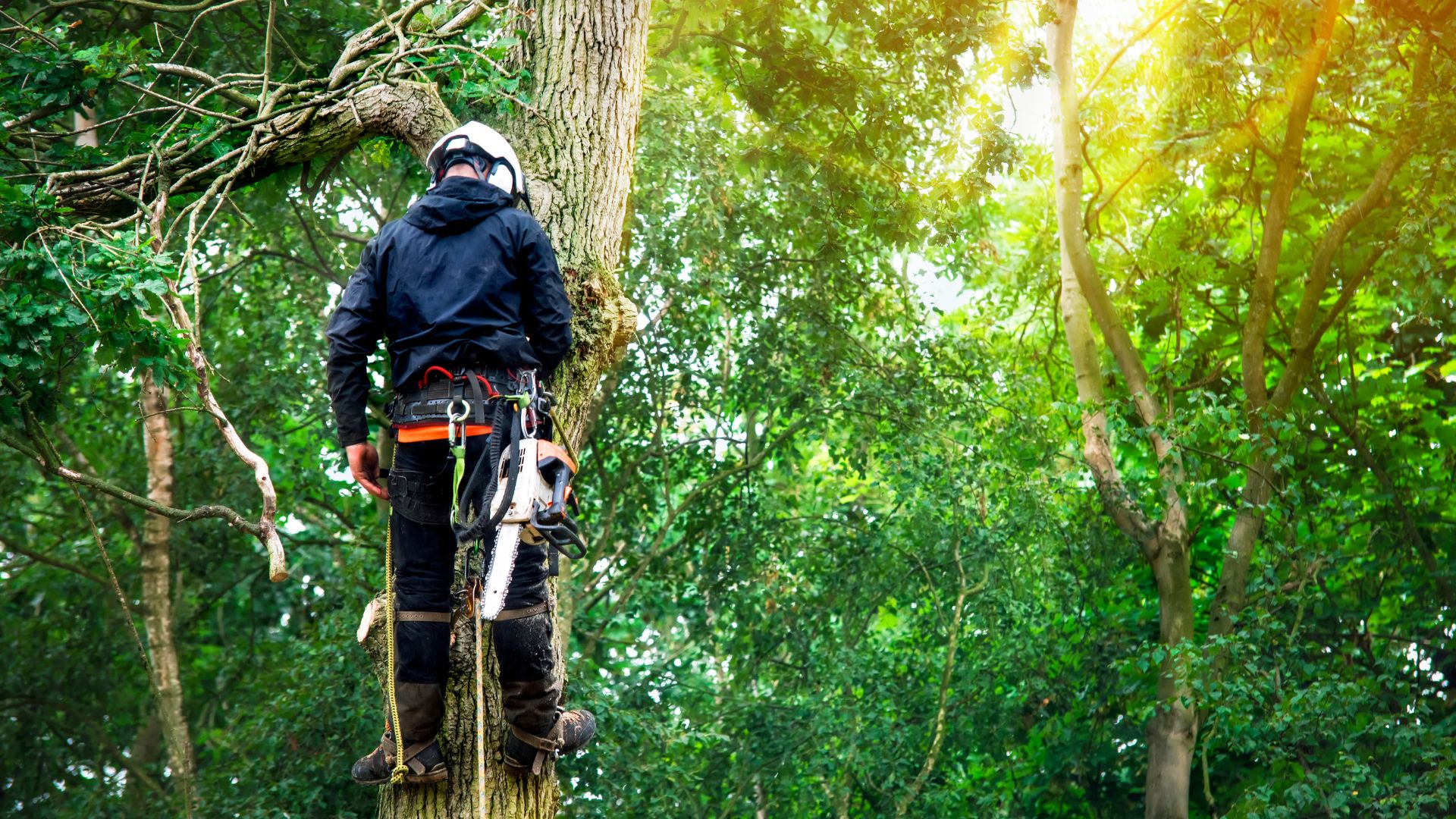
What Happens During a Professional Tree Evaluation
When you schedule a tree risk assessment with Peak Tree Service, you receive a thorough inspection that goes far beyond a quick glance at your property. Our team examines every aspect of your trees to identify potential safety concerns and health issues that could lead to problems down the road. We look at structural integrity, disease symptoms, pest infestations, root stability, and environmental stressors that affect trees in our area. You’ll receive honest, transparent information about what’s happening with your trees and what actions, if any, make sense for your situation. Our goal is to give you a complete picture of your tree’s condition so you can make informed decisions about your property.
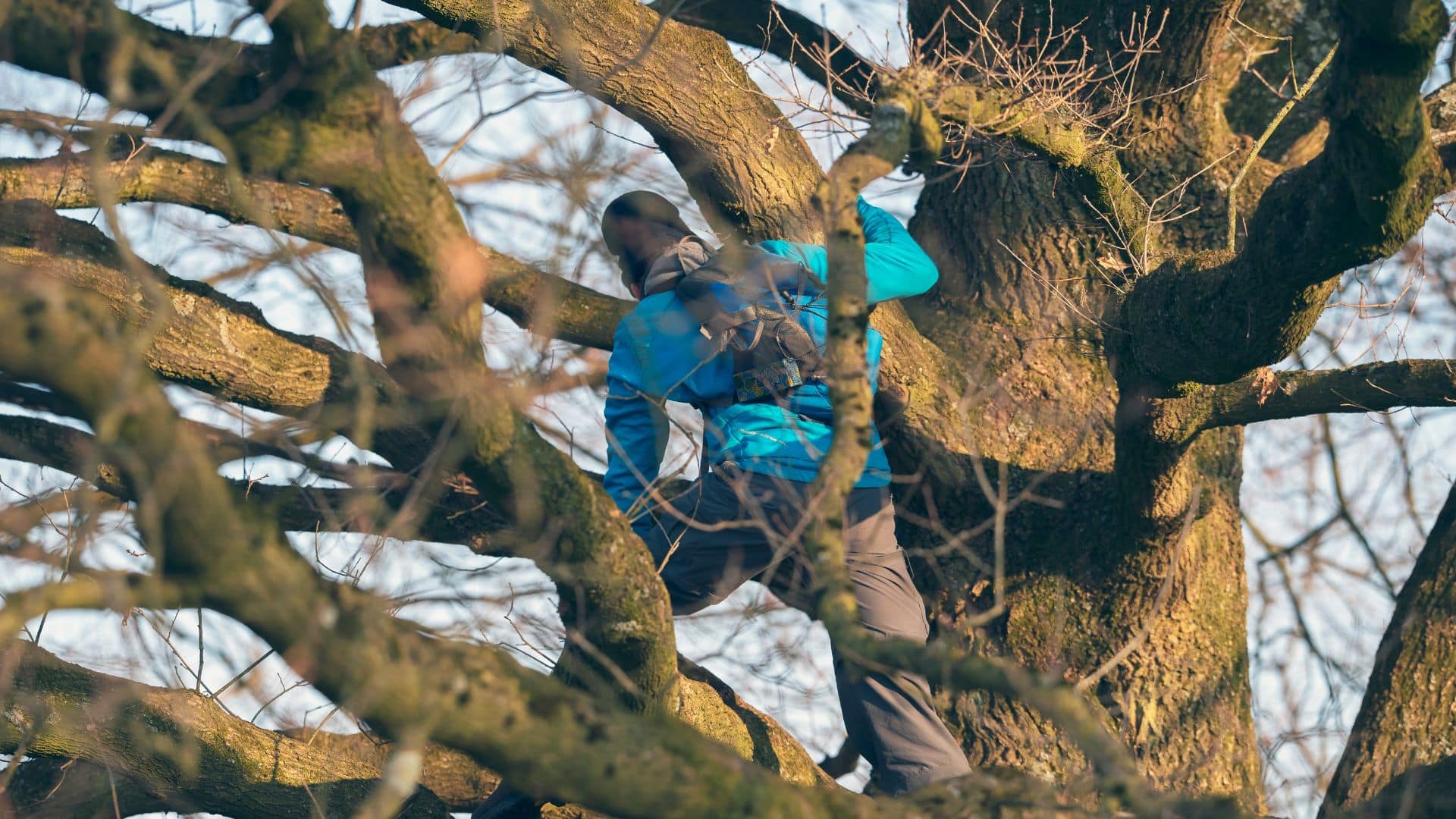
The Key Elements We Examine in Every Tree Risk Assessment
Crown and Canopy Condition
The upper portion of your tree tells us a tremendous amount about its overall health and stability. We look for dead branches, also called “widow makers,” that could fall without warning during our frequent wind events. We also check for proper weight distribution throughout the canopy, because unbalanced trees are more likely to experience problems during storms. If we spot issues like excessive deadwood, crossing branches, or canopy thinning, we’ll explain what’s causing them and what they mean for your safety.
See Also: Secrets to Safe Tree Cutting in Colorado Springs
Trunk Integrity and Structural Soundness
Your tree’s trunk is its backbone, and any compromise here deserves serious attention. We examine the bark for signs of disease, pest activity, or physical damage that could weaken the tree’s structure. Cracks, splits, cavities, and areas of decay all factor into our tree risk assessment. We will also check whether the tree has grown in a way that creates weak attachment points between major limbs and the trunk. Some trunk issues are manageable with proper care, while others indicate the tree has reached the end of its safe lifespan.
Root System Stability
What’s happening below ground is just as important as above ground. We assess the root zone for signs of instability, decay, or damage that could compromise the tree’s ability to stay upright. We look for signs of root rot, fungal infections, and girdling roots that can slowly strangle a tree over time. In Colorado Springs, our clay soils and periodic drought create significant challenges for root systems, and we understand how these factors affect tree stability. If we notice the tree leaning, soil heaving around the base, or exposed roots showing signs of decay, these red flags get factored into your overall risk assessment.
Environmental and Site-Specific Factors
Your property’s unique characteristics play a major role in tree risk. We consider exposure to wind, proximity to structures, soil conditions, and drainage patterns that affect tree health and stability. Your tree risk assessment will give you insights into how your specific location in the Colorado Springs area impacts your trees differently from properties just a few miles away.
Trees on the west side of town face different challenges than those on the east side, and elevation makes a significant difference in what species thrive and which ones struggle. We also evaluate human factors like recent construction, changes in irrigation, or soil compaction from vehicles or foot traffic.
What Sets Peak Tree Service Apart
When you contact us for a tree risk assessment, you’re working directly with owner Don Ruybal, who personally conducts your inspection and provides your quote during the same visit. You won’t deal with salespeople who don’t understand trees or get passed around between different team members who give you conflicting information.
We’ve built our reputation on transparency, which means we’ll never recommend services you don’t need just to pad our bottom line. You’ll receive a detailed explanation of what we found, why it matters, and your options. We focus on education and empowerment rather than fear tactics. You deserve to understand what’s happening with your trees and why certain actions make sense for your situation.
Read Also: Spring Tree Trimming Colorado Springs: Why This Season Is Best for Pruning
The Real Cost of Skipping a Professional Assessment
You might be tempted to save money by skipping a professional tree risk assessment, but that decision could end up costing you far more in the long run. A single falling tree can cause tens of thousands of dollars in damage to your home, vehicles, or neighboring properties. Plus, you could face liability issues if a hazardous tree on your property damages someone else’s home or injures a person. Insurance companies are increasingly scrutinizing tree-related claims, and they may deny coverage if you ignored obvious warning signs or failed to maintain your trees properly.
Beyond the financial risks, there’s the safety of your family to consider. You don’t want to discover your tree was dangerous only after a branch falls on your child’s play area or crashes through your roof during a windstorm. At Peak Tree Service, we’ve seen too many situations where homeowners wished they’d called sooner, and we’re committed to helping you avoid becoming one of those stories. Professional assessment gives you peace of mind knowing you’ve taken responsible steps to protect what matters most.
You May Also Like: Mountain Pine Beetles in Colorado Springs: How to Protect Your Trees in 2026
When You Should Schedule a Tree Risk Assessment
Certain situations call for immediate professional evaluation of your trees. You should contact us right away if you notice:
- Significant cracks in the trunk
- Large dead branches
- Fungal growth at the base
- Sudden leaning
- Root exposure around the tree
Even if you don’t see obvious problems, periodic assessments make sense as part of responsible property maintenance. You should consider scheduling an evaluation every few years for mature trees, especially those near structures or high-traffic areas. If you’ve recently purchased a property, getting a baseline assessment helps you understand what you’re working with and plan for future tree care needs. Don’t wait for an emergency to find out you have a problem. Proactive assessment is always more cost-effective than reactive crisis management.
Gain Peace of Mind with a Tree Risk Assessment from Peak Tree Service
You’ve invested too much in your Colorado Springs home to leave tree safety to chance. A professional tree risk assessment from Peak Tree Service gives you the information you need to protect your property, family, and neighbors from potential hazards. We make the process simple, convenient, and affordable with same-day inspections and quotes, transparent pricing, and honest recommendations you can trust.
Don’t wait until the next windstorm or heavy snow to find out if your trees are safe. Get in touch with Peak Tree Service today to schedule your free quote. We’re locally owned, fully insured, and committed to delivering the quality service that’s earned us over 200 five-star reviews. Let us help you enjoy your beautiful Colorado landscape with the peace of mind that comes from knowing your trees are healthy, safe, and properly maintained.
FAQs: Tree Risk Assessment
How much does a tree risk assessment cost in Colorado Springs?
The cost of a tree risk assessment varies depending on property size and the number of trees evaluated, but many tree service companies offer free initial consultations and quotes. At Peak Tree Service, owner Don Ruybal provides complimentary on-site evaluations where he personally inspects your trees and delivers a detailed quote during the same visit. Contact us today to schedule your free assessment and get transparent pricing with no hidden fees or pressure tactics.
How often should I have my trees professionally assessed for safety?
You should schedule a professional tree risk assessment every 3-5 years for mature trees, especially those near structures or high-traffic areas of your property. Immediate evaluation is necessary after major storms, if you notice visible damage like cracks or dead branches, or before starting construction projects near established trees. Trees in Colorado Springs face unique stressors from wind, drought, and temperature fluctuations that can accelerate decline, making regular monitoring particularly important in our region.
What are the warning signs that my tree needs a risk assessment?
Key warning signs include large dead or hanging branches, visible cracks or splits in the trunk, fungal growth at the tree’s base, sudden leaning, exposed roots, or significant dieback in the canopy. You should also be concerned if you notice cavities or holes in the trunk, peeling bark, or if the tree was damaged during a recent storm. Any of these symptoms indicate potential structural problems that require professional evaluation to determine whether the tree poses a safety risk to your property.