How Drought Affects Your Trees
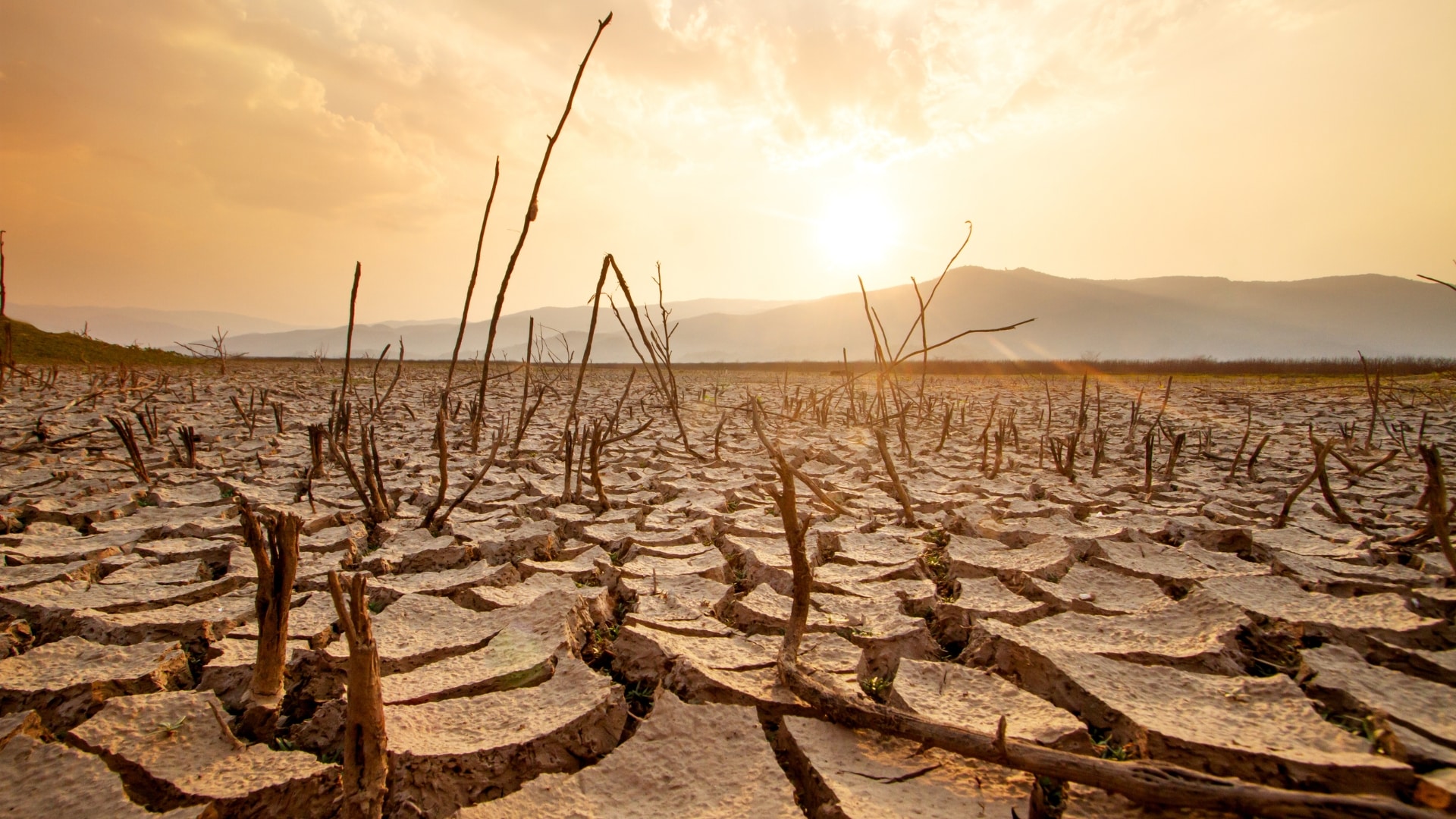
When drought conditions persist in the Pikes Peak region, trees enter survival mode, shutting down non-essential functions to conserve whatever moisture they can find. You’ll see this manifest in premature leaf drop, stunted growth, and a general decline in vigor, making your landscape look tired and neglected.
Root systems begin to die back when soil moisture drops too low, which means even when rain finally arrives, your trees have lost their ability to absorb it effectively. The longer drought conditions persist, the more permanent the damage becomes, eventually reaching a point where even the best care can’t save your trees.
At Peak Tree Service, we’ve seen firsthand how Colorado’s dry conditions devastate unprepared landscapes. Since 2008, we’ve helped thousands of homeowners in the Pikes Peak region navigate drought tree care, and we understand exactly what your trees need to survive and thrive despite our harsh climate.
Early Warning Signs Your Trees Are Suffering from Drought Stress
You don’t need to wait for a tree to die before taking action. Your trees are communicating their distress right now, and recognizing these signals early can mean the difference between simple intervention and costly removal:
- Wilting or curling leaves, especially during the hottest parts of the day.
- Leaves that are yellowing, browning at the edges, or have an overall dull appearance.
- Branch dieback. You might notice that the tips of branches are dead.
- Cracks in the bark, especially vertical splits.
- An increase in pest activity or fungal growth.
- Premature leaf drop. Deciduous trees shouldn’t be losing significant foliage before fall, and evergreens shouldn’t be shedding needles excessively.
Related: Mountain Pine Beetles in Colorado Springs: How to Protect Your Trees in 2026
Effective Drought Tree Care Strategies for Colorado Springs Homeowners
Watering
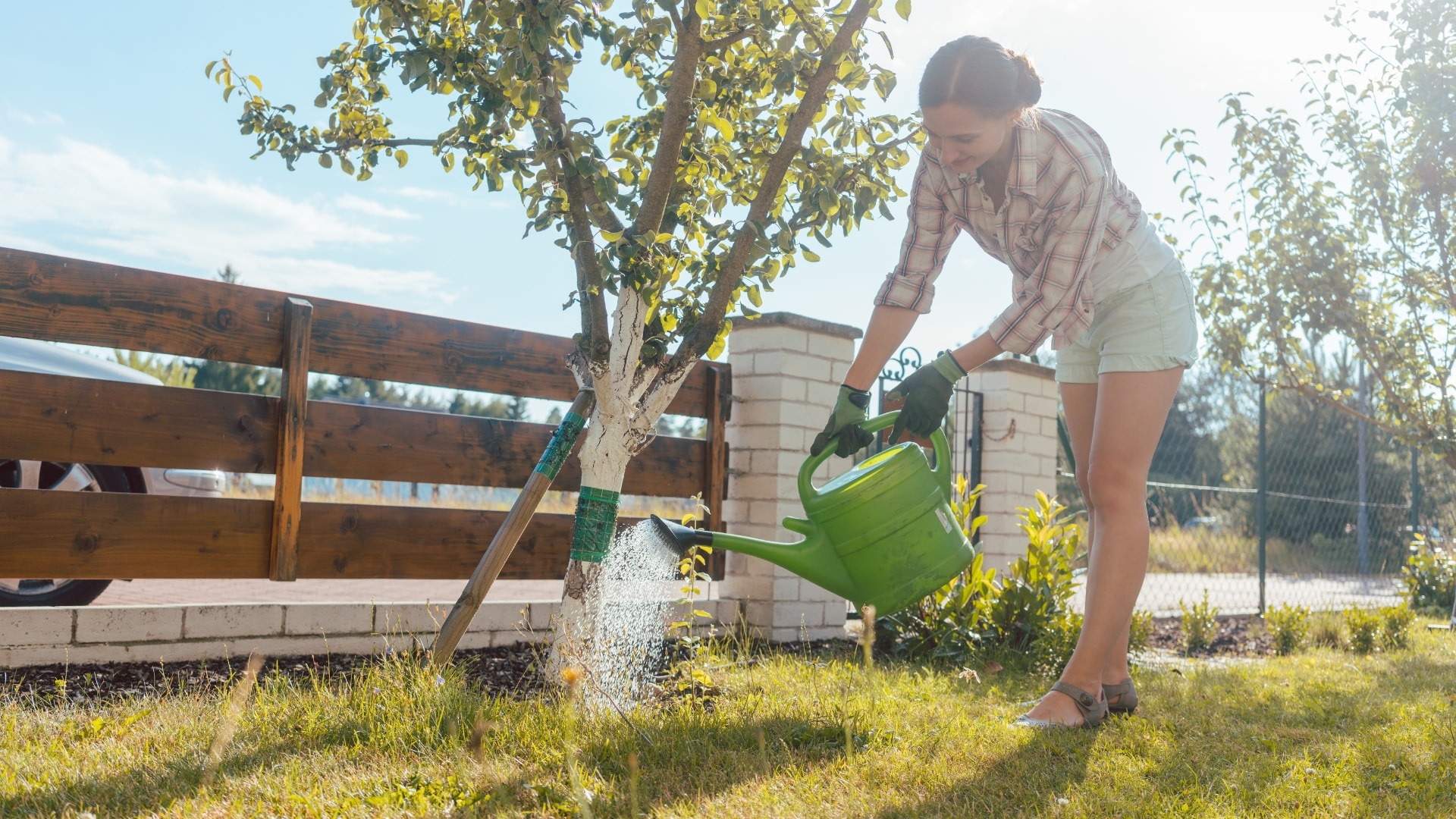
Proper watering is the first step to drought tree care, but it’s not as simple as turning on a sprinkler. Your trees need deep, infrequent watering to encourage roots to grow downward rather than staying near the surface. You should be watering the entire root zone, which extends well beyond the drip line, typically one to one-and-a-half times the radius of the canopy. You can use a soaker hose or even a regular hose set to a trickle, moving it around the root zone over several hours. During drought conditions, mature trees need approximately 10 gallons of water per inch of trunk diameter, applied every 7-10 days when there’s no significant rainfall.
Mulching
Mulching is your secret weapon for moisture retention. A good layer of mulch around your trees (but not touching the trunk) acts like a blanket, reducing evaporation, moderating soil temperature, and gradually adding nutrients as it decomposes. Mulching can reduce your watering needs by up to 50% while improving soil structure over time.
Pruning
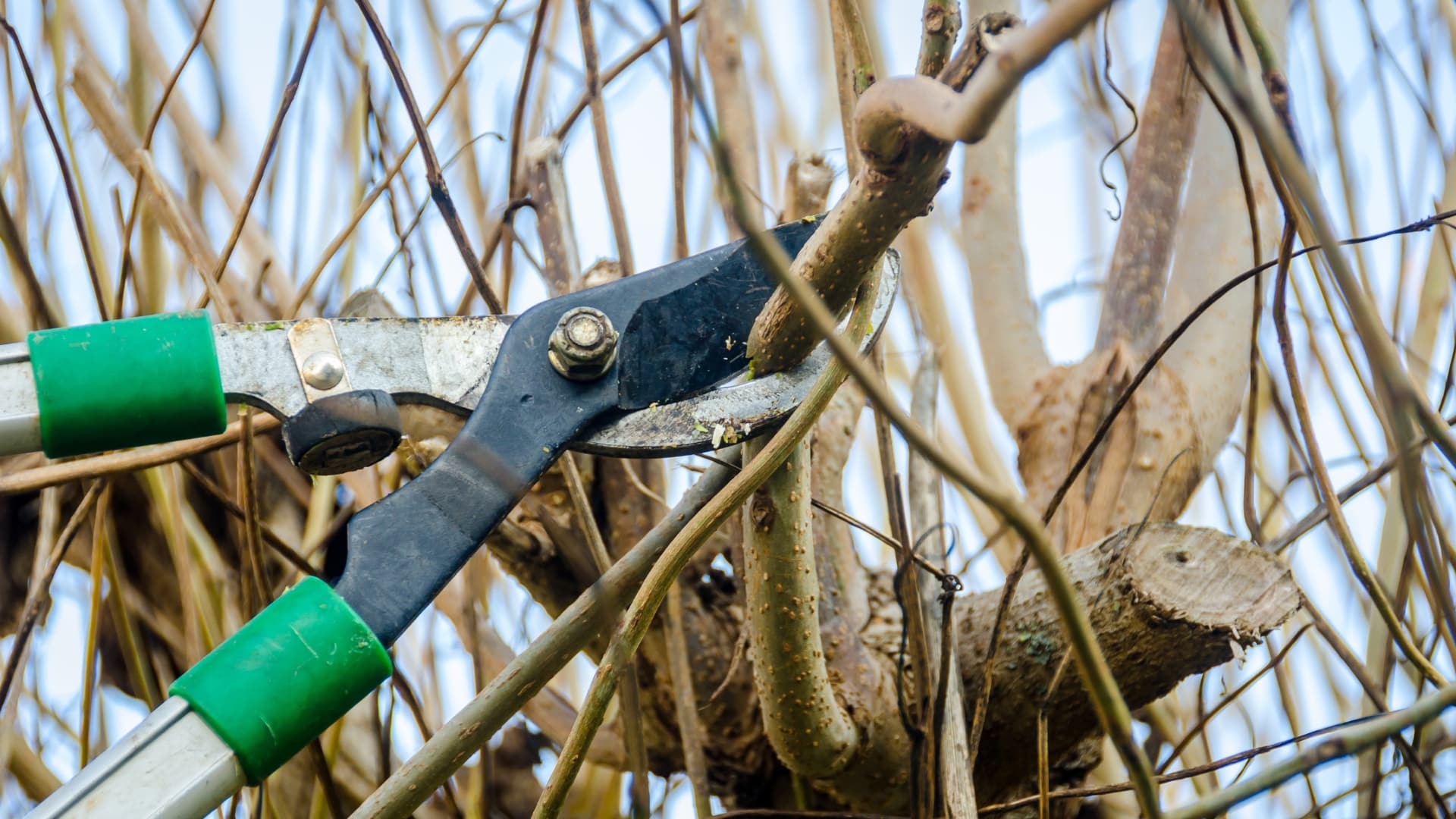
Pruning during drought requires a different approach than normal maintenance. While you might think removing branches reduces water demand, aggressive pruning during stress periods can actually harm your trees further by removing the very foliage they need to produce energy. Strategic removal of dead, diseased, or damaged branches is necessary, as dying limbs waste resources and create entry points for pests.
Why Professional Tree Assessment Matters During Drought Conditions
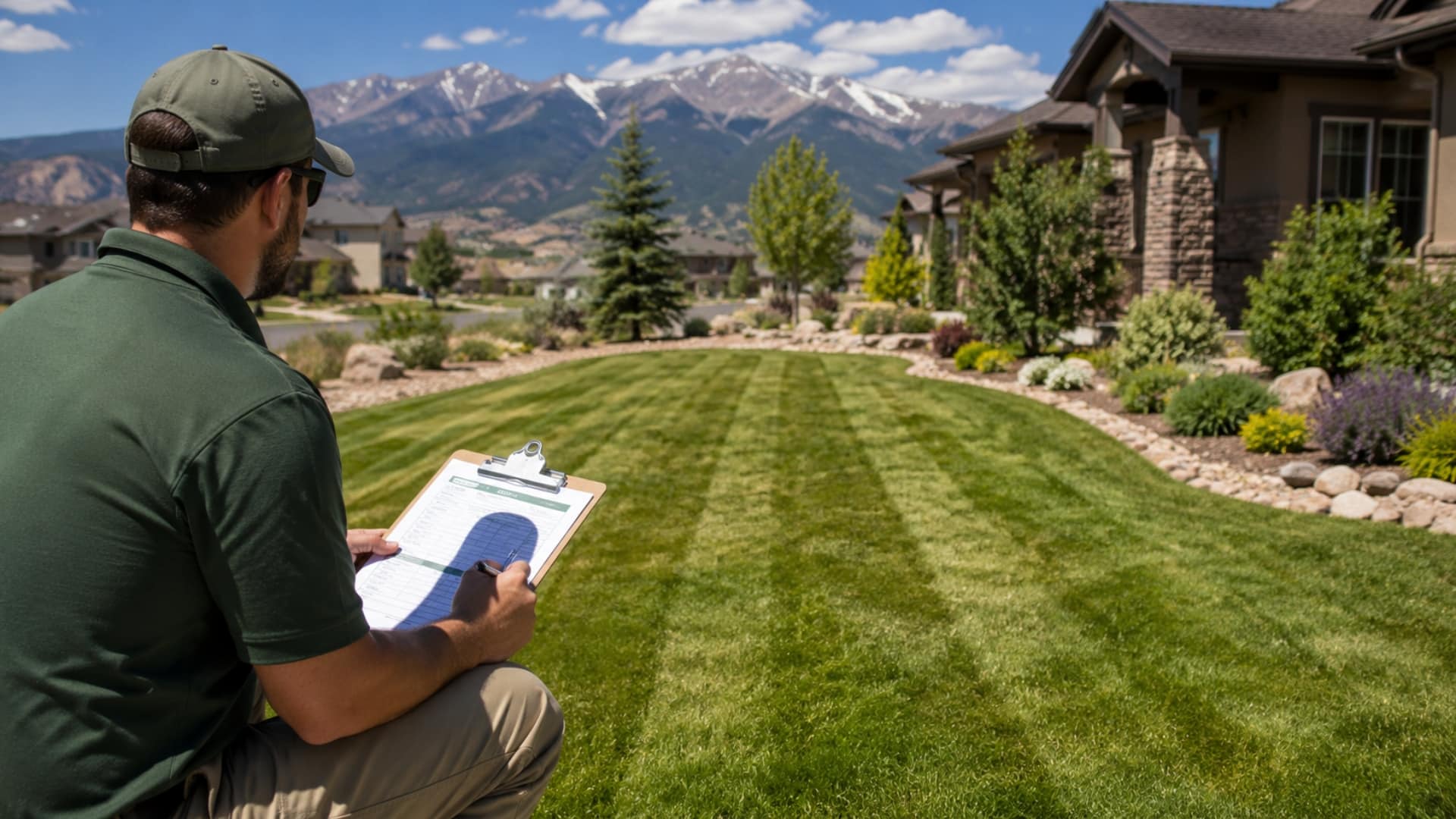
You might be tempted to handle drought tree care yourself, but many stressed trees require professional assessment. What looks like simple leaf discoloration to an untrained eye might actually indicate root rot, vascular disease, or pest infestation that requires immediate intervention. At Peak Tree Service, owner Don Ruybal personally inspects every property, bringing over 20 years of experience working with local trees and our unique climate challenges.
We examine the entire tree system, checking for structural integrity, root health indicators, pest activity, and disease symptoms that may not be obvious to homeowners. We use our understanding of local tree species and their responses to drought to determine whether your trees can be saved with proper care or have reached a point where removal is the safer, more cost-effective option.
The difference between our drought tree care and what you’ll get from other tree service companies is our commitment to transparency and education. We don’t just tell you what needs to be done. We show you why, explaining the specific issues affecting your trees and the reasoning behind our recommendations. You’ll never feel pressured into unnecessary services, and you’ll always understand exactly what you’re paying for with detailed, itemized quotes that respect your budget.
You May Also Like: Wondering If Your Trees Are Wildfire Compliant in 2026? You’re Not Alone
Long-Term Tree Health Planning for Colorado’s Climate
Surviving one drought season isn’t enough. You need a sustainable approach that prepares your trees for the ongoing challenges of Colorado’s climate.
Choose The Right Trees
The first step is choosing the right trees for your property. If you’re planning to add trees to your landscape, selecting drought-tolerant species native to our region gives you a massive advantage. Species like Ponderosa Pine, Pinyon Pine, Gambel Oak, and Rocky Mountain Juniper have evolved to handle our conditions and require far less intervention than non-native varieties.
Fortify Your Soil
For existing trees, building soil health is your long-term investment in drought tree care. Colorado Springs soil is often compacted, alkaline, and lacking in organic matter, which makes it difficult for trees to access nutrients and water efficiently. Incorporating compost, using organic mulches, and avoiding soil compaction around root zones gradually improves the soil’s ability to support healthy trees. It’s not a quick fix, but over time, you’ll notice your trees becoming more resilient and requiring less intensive care.
Regular Maintenance
Regular pruning during the appropriate seasons (typically late winter or early spring for most species) keeps your trees structurally sound and better able to withstand stress. Removing crossing branches, correcting poor growth patterns, and maintaining proper canopy balance reduces the overall demand on the tree’s resources.
Monitoring
Monitoring is something you can do yourself between professional visits. Walk around your property regularly, looking for the warning signs we discussed earlier. Take photos so you can track changes in the tree over time. When you notice something concerning, don’t wait. Early intervention is always less expensive and more effective than crisis management.
Take Action to Protect Your Property Today with Proper Drought Tree Care from Peak Tree Service
Every day of drought stress compounds the damage and reduces your trees’ chances of full recovery. The good news is that with proper assessment and care, many drought-stressed trees can be saved and restored, protecting your property value and maintaining the beauty and shade you’ve enjoyed for years.
Don’t let uncertainty or budget concerns prevent you from getting the information you need. Whether you’re dealing with obviously declining trees, want a professional assessment to ease your mind, or need emergency services for hazardous branches, we’re here to help. Reach out to Peak Tree Service today to schedule your free inspection. We serve the entire Pikes Peak region with the professional, reliable tree care you deserve.
FAQs: Drought Tree Care
How often should I water my trees during a drought in Colorado Springs?
You should water your trees deeply every 7-10 days during drought conditions, applying approximately 10 gallons of water per inch of trunk diameter. Water slowly over several hours to ensure moisture penetrates 12-18 inches into the soil, reaching the entire root zone that extends beyond the tree’s drip line. This deep, infrequent watering encourages healthy root growth and is far more effective than shallow, frequent watering.
What are the signs my tree is dying from drought stress?
Common signs include wilting or curling leaves, premature leaf drop, yellowing or browning foliage, dead branch tips, and vertical cracks in the bark. You might also notice increased pest activity like bark beetles or unusual fungal growth, which indicate your tree’s immune system is compromised. If you’re seeing these warning signs, reach out to Peak Tree Service for a free same-day inspection. Early intervention can often save a stressed tree and prevent costly removal or property damage.
Can drought-damaged trees recover, or do they need to be removed?
Many drought-stressed trees can recover with proper watering, mulching, and professional care, especially if you catch the damage early. However, trees with extensive dieback, severe pest infestations, or structural damage may pose safety risks and require removal. A professional assessment can determine whether your tree is salvageable or has reached a point where removal is the safer, more cost-effective option.