
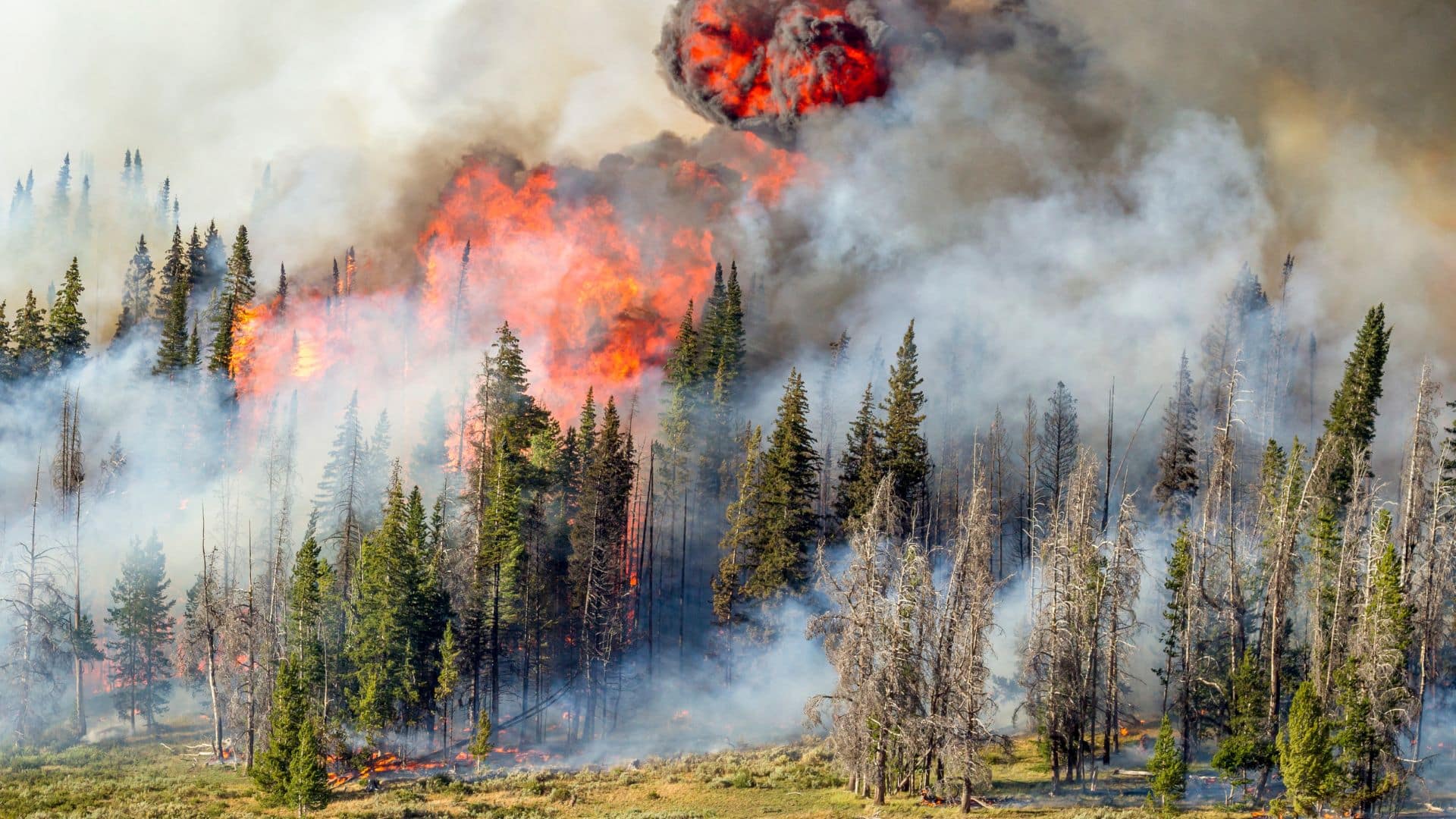
Why Defensible Space Maintenance Matters in Colorado Springs
Defensible space is a commitment to protecting your investment and your loved ones. Trees grow, branches extend, needles and leaves accumulate, and vegetation fills in cleared areas faster than most homeowners realize. What looked perfect in spring can become a fire hazard by late summer if you’re not staying on top of your yard maintenance.
Colorado Springs sits in a wildland-urban interface. You’re surrounded by beautiful ponderosa pines, scrub oak, and native vegetation that make our region stunning yet highly flammable in dry conditions. The 2012 Waldo Canyon Fire and 2013 Black Forest Fire taught our community hard lessons about wildfire risk. Proper wildfire mitigation not only protects you and your neighbors but also gives firefighters a chance to save your home in the event of a fire.
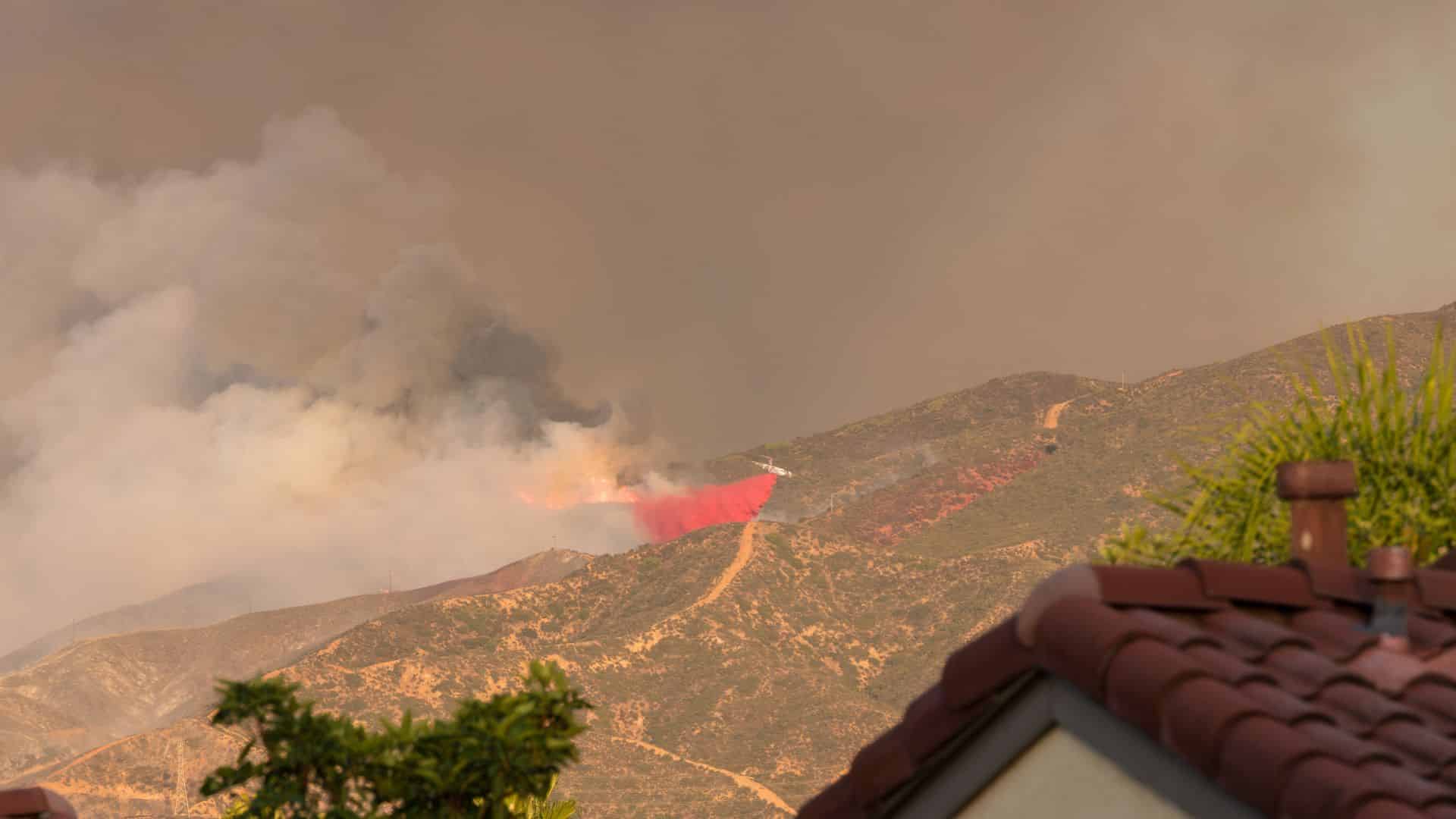
Understanding Colorado’s Wildfire Season Timeline
Colorado’s wildfire season doesn’t follow a simple calendar anymore. While we traditionally saw the highest risk from late spring through early fall, climate patterns have shifted, and you now face potential wildfire threats nearly year-round in the Pikes Peak region. You need to think about wildfire preparation as a continuous cycle rather than a single seasonal task.
Spring typically brings our first significant fire danger as snowpack melts, temperatures rise, and vegetation dries out before summer moisture arrives. Spring is when you should conduct your most thorough defensible space inspection and address any issues that developed over winter. Dead branches, accumulated debris, and overgrown vegetation from the previous year need immediate attention. Summer in Colorado Springs means afternoon thunderstorms that can spark fires, combined with periods of extreme heat and low humidity. Fall brings its own challenges as deciduous trees drop leaves, pine needles accumulate, and early snow can knock down weakened branches.
Related: Wondering If Your Trees Are Wildfire Compliant in 2026? You’re Not Alone
Zone 1 Defensible Space Maintenance (0-5 Feet)
Zone 1 is the most important area around your home, extending five feet from your foundation, deck, and any attached structures. You need to keep this area virtually free of combustible materials, which means regular, consistent upkeep. Most homeowners underestimate how quickly debris accumulates in this zone, especially during our windy spring and fall months.
Remove all dead vegetation, fallen branches, pine needles, and leaves from this zone at least monthly during high-risk seasons. You should also clear your gutters, roof, and deck surfaces of any accumulated organic material. Pine needles are particularly problematic in Colorado Springs because they’re highly flammable. Don’t use wood mulch in Zone 1; instead, opt for gravel, rock, or other non-combustible landscaping materials that won’t ignite if embers land on them.
Pay special attention to anything attached to or near your home’s exterior. Move firewood stacks at least 30 feet away from structures, relocate propane tanks to safe distances, and ensure trash cans and recycling bins aren’t sitting against your house. Trim back any branches that hang over your home or come within 10 feet of your chimney, and remove any vegetation that’s growing against your siding. Regular inspection is key to Zone 1 maintenance. It’s a good idea to walk around your home weekly during periods of high fire danger and look for new debris accumulations.
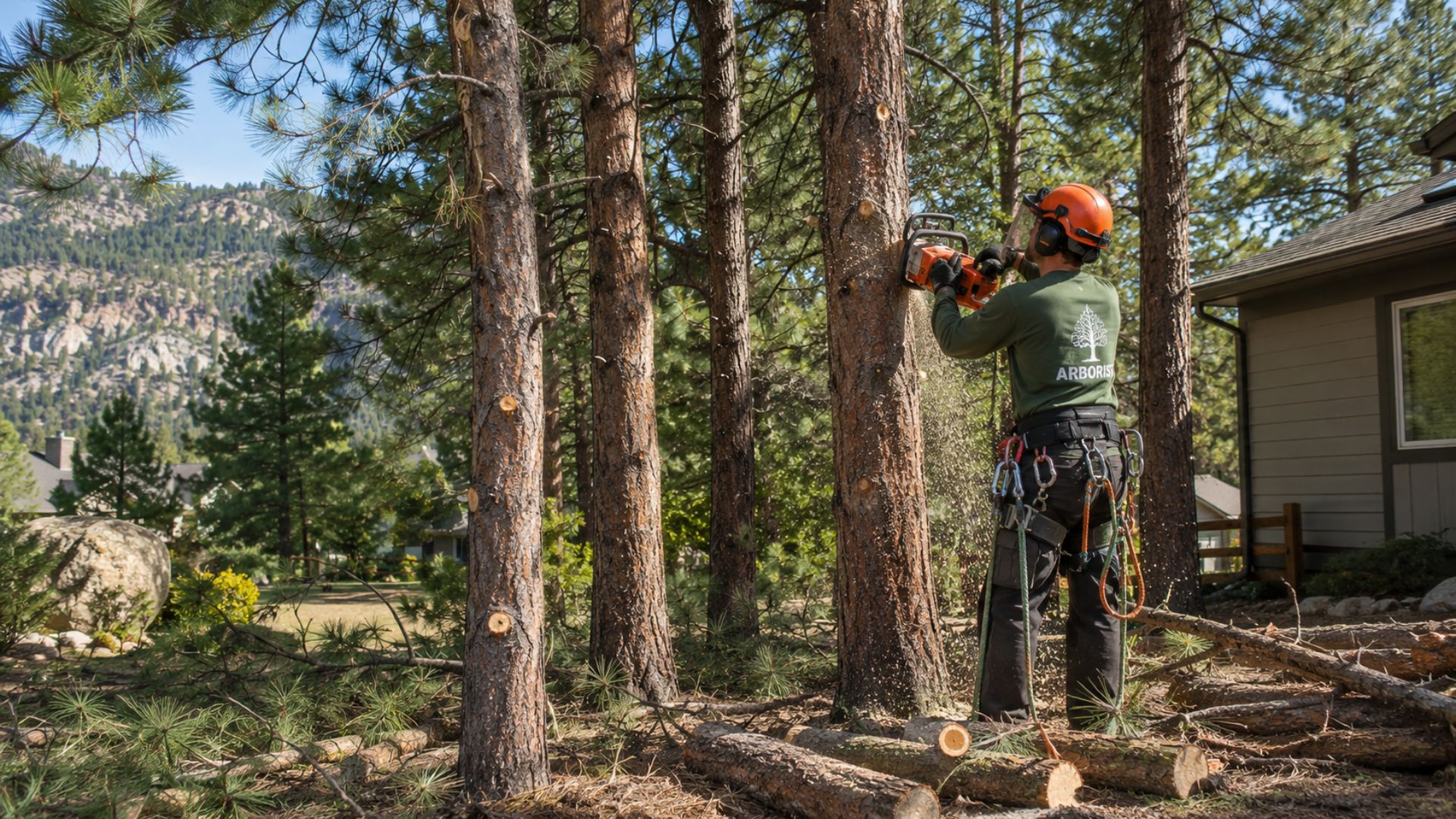
Zone 2 Defensible Space Maintenance (5-30 Feet)
Zone 2 extends from 5 to 30 feet from your home and serves as a transition area where you’re reducing fuel loads while maintaining some landscaping appeal. Tree maintenance in Zone 2 focuses on creating both horizontal and vertical spacing. You should maintain at least 10 feet of space between tree canopies, and remove lower branches to create at least 6 feet of clearance between the ground and the lowest branches. This “limbing up” prevents ground fires from climbing into tree canopies and becoming crown fires, which are nearly impossible to stop. Dead, diseased, or damaged trees need to be removed promptly because they’re essentially standing fuel waiting to ignite.
Shrubs and ornamental plantings in Zone 2 require regular pruning and thinning to prevent them from creating continuous fuel beds. You should maintain islands of vegetation separated by non-combustible areas rather than allowing plants to grow together in dense masses. Native grasses and weeds need to be mowed or cut to a maximum height of 4 inches, especially during dry periods. Seasonal maintenance means different tasks at different times of the year. Spring is ideal for major pruning and tree work; summer requires vigilance with watering and mowing; and fall demands thorough cleanup of fallen leaves and needles.
Seasonal Defensible Space Maintenance Schedule for the Pikes Peak Region
Creating a maintenance schedule tailored to Colorado Springs’ unique climate helps you stay ahead of wildfire risk year-round. Spring (March-May) is your most intensive maintenance period. Conduct a thorough inspection of all zones and address any damage or winter growth. Remove accumulated pine needles, leaves, and debris from roofs, gutters, decks, and Zone 1. Complete major tree pruning and removal projects before fire restrictions potentially limit your options. Spring is also the ideal time to schedule professional tree services because demand increases as fire season approaches.
Summer (June-August) maintenance focuses on vigilance and ongoing upkeep. Mow the grass regularly and remove clippings from Zone 1. Clear debris from the immediate areas around your home weekly. Water landscaping adequately to maintain green, healthy vegetation. Monitor trees for signs of disease or insect damage that could kill them and create new fire hazards.
Fall (September-November) requires a thorough cleanup, as deciduous trees drop leaves and pine needles accumulate in large amounts. Clear all organic debris from roofs, gutters, and Zone 1 before winter weather arrives. Even during winter (December-February), you need to stay wildfire-aware. Make sure to remove snow-damaged branches promptly and clear debris during warm, windy periods between storms.
You May Also Like: Tree Risk Assessment Colorado Springs: How Professional Tree Specialists Evaluate Your Property
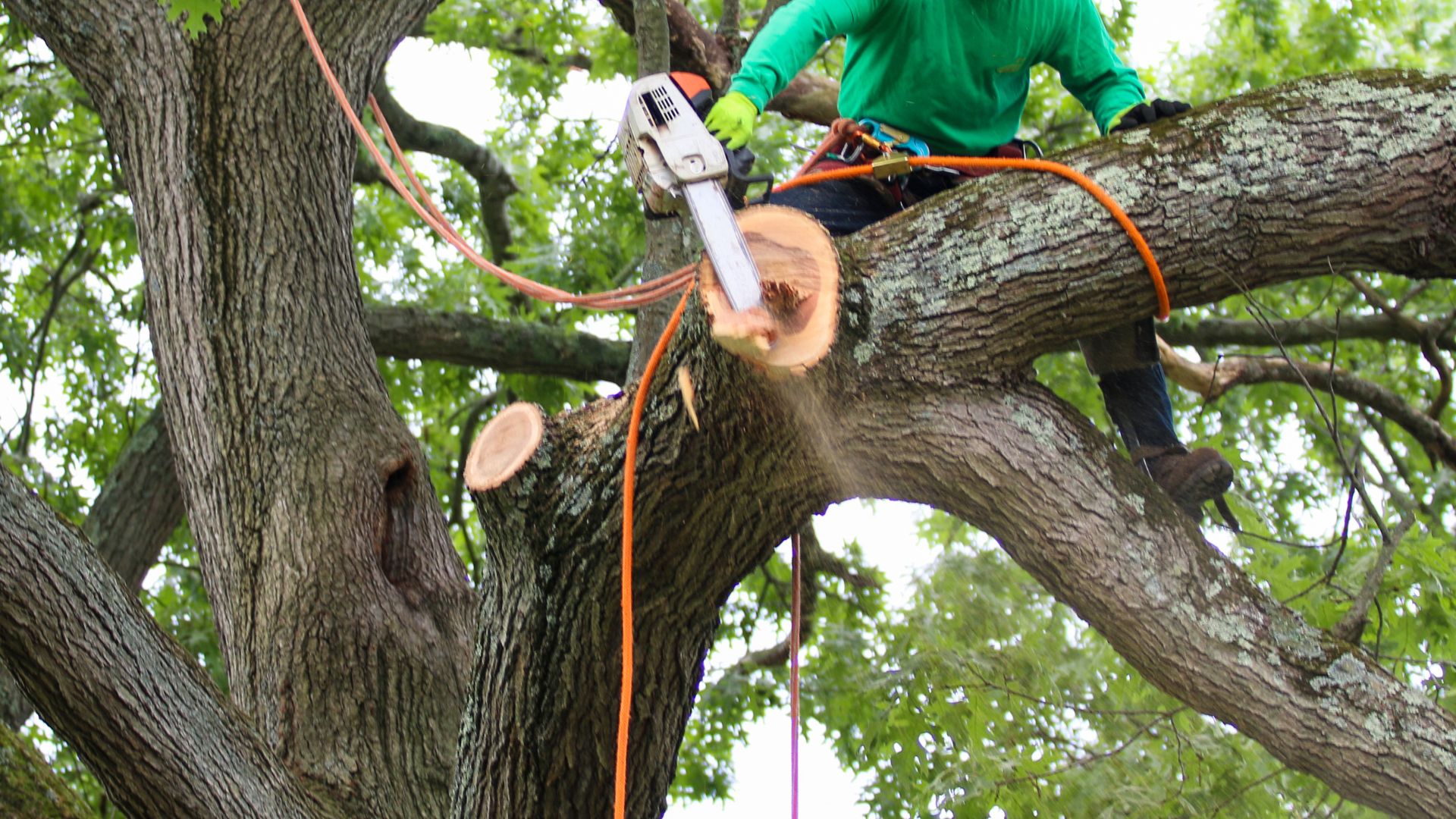
Why Peak Tree Service Is Your Trusted Defensible Space Maintenance Partner
You need more than just a tree service company when wildfires hit. Peak Tree Service has been serving the Pikes Peak region since 2008, and we’ve built our reputation on delivering the reliable, professional wildfire mitigation services that homeowners like you depend on. We’re not just another tree company; we’re your neighbors who are personally invested in protecting our community from wildfire threats.
Owner Don Ruybal personally inspects your property and provides same-day quotes, so you’re working directly with an expert who understands defensible space requirements and Colorado’s specific tree species and fire behavior. You won’t get passed off to inexperienced crews or receive cookie-cutter recommendations. Our transparent pricing means you’ll never face surprise charges or hidden fees, just honest, fair quotes that respect your budget.
Our approach to defensible space maintenance sets us apart from other companies in the area. We assess all zones, identify current and potential fire hazards, and develop a maintenance plan tailored to your property’s needs and your budget. With over 200 five-star reviews and recognition as the 2026 Best of the Springs winner for Best Tree Removal Company, we’ve proven our commitment to quality and customer satisfaction.
Don’t Wait. Protect Your Property Today with Defensible Space Maintenance
Defensible space maintenance isn’t something you can afford to postpone. Every day you wait is another day your property remains vulnerable to wildfire threats that could devastate your home and endanger your family. You’ve invested too much in your property to leave it unprotected, and the peace of mind that comes from knowing you’ve done everything possible to safeguard your home is invaluable. The time to act is now.
Don’t gamble with your family’s safety and your most valuable asset. Take control of your wildfire risk with professional defensible space maintenance from the team Colorado Springs trusts most. We’re ready to help you create and maintain the protection your property needs throughout the wildfire season and beyond. Reach out to Peak Tree Service today for your free quote and experience the difference that local expertise can make.
FAQs: Defensible Space Maintenance
How often should I perform defensible space maintenance around my home in Colorado Springs?
You should inspect Zone 1 (0-5 feet from your home) weekly during high fire danger periods and remove debris at least monthly throughout the year. Zone 2 (5-30 feet) requires seasonal maintenance with major work in spring, regular mowing and pruning in summer, and thorough cleanup in fall. Colorado’s year-round wildfire risk means defensible space maintenance is a continuous commitment, not a one-time project.
What's the most important defensible space maintenance task for wildfire protection?
Keeping Zone 1 completely clear of combustible materials is your most critical task because embers can ignite debris within five feet of your home in seconds. This means regularly removing all pine needles, leaves, dead vegetation, and branches from your roof, gutters, deck, and foundation areas. You should also eliminate wood mulch in this zone and replace it with non-combustible materials like gravel or rock.
Can I do defensible space maintenance myself or should I hire professionals?
While you can handle basic tasks like clearing debris and mowing, professional tree services are essential for safe tree removal, proper limbing, and assessing which trees pose fire risks. Determining correct spacing, identifying hazardous trees, and working at heights requires expertise and equipment most homeowners don’t have. Reach out to Peak Tree Service for a free assessment. Owner Don Ruybal will provide same-day quotes and expert recommendations tailored to your property’s specific wildfire mitigation needs.
Related posts:
 Seasonal Wildfire Mitigation Plan: Protecting Your Colorado Springs Property Throughout the Year
 Wondering If Your Trees Are Wildfire Compliant in 2026? You’re Not Alone
 Stressed Pine Trees Colorado Springs: How to Identify and Address Tree Stress
 Spring Tree Inspections in Colorado Springs: Pre-Season Checklist for Pikes Peak Homeowners