
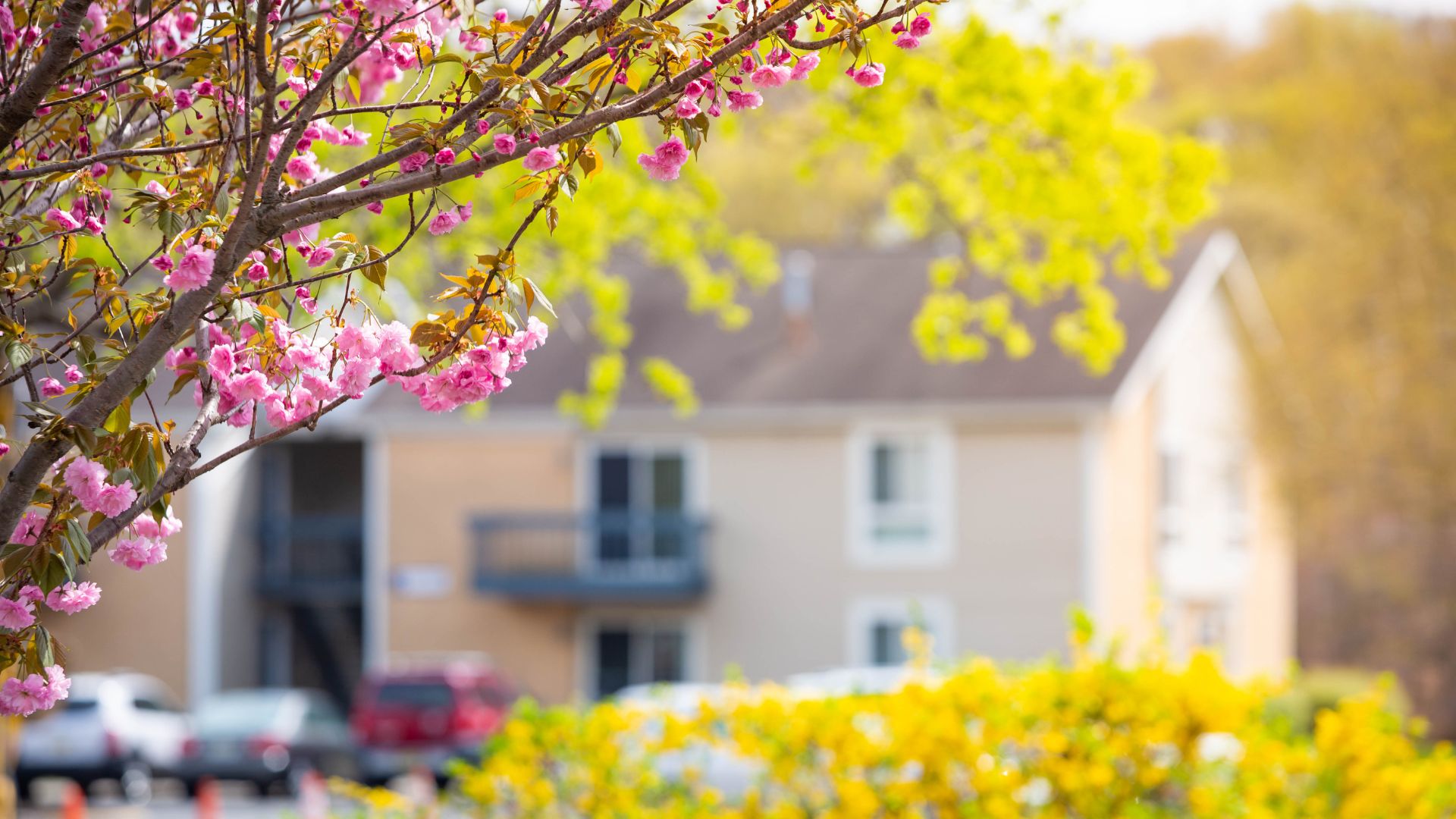
Summary: Spring tree trimming in Colorado Springs takes advantage of your trees’ natural healing abilities during their most vigorous growth phase, typically late March through early May. Proper timing prevents pest infestations, reduces safety hazards from dead branches, and promotes healthier growth throughout the season. Peak Tree Service offers same-day quotes, personalized inspections by owner Don Ruybal, and over 20 years of experience understanding Colorado’s unique climate challenges. Protect your property before storm season arrives.
Why Spring Tree Trimming Makes Sense for Colorado Springs Trees
When you prune in early to mid-spring, you’re working with your tree’s natural rhythms rather than against them. The wounds you create heal faster because the tree is entering its most vigorous growth phase. Sap is flowing, which helps seal cuts and prevents disease and pest infiltration. You can also clearly see the tree’s structure before leaves obscure your view, making it easier to identify dead, damaged, or crossing branches that need removal.
At Peak Tree Service, we’ve been trimming trees in Colorado Springs since 2008, and we’ve learned that timing is everything. While other companies might show up whenever it’s convenient for their schedule, we coordinate with nature’s schedule because that’s what produces results you can see and trees that thrive.
The Science Behind Spring Pruning Success
Your trees don’t operate on your timeline. They respond to environmental cues like soil temperature, daylight length, and moisture availability. In Colorado Springs, these conditions typically align perfectly in late March through early May, creating an ideal pruning window. During this period, your trees are transitioning from dormancy to active growth, which means they’re primed to respond positively to pruning. Compare this to summer pruning, when your tree is already stressed by heat and drought, or fall pruning, when the tree is preparing for dormancy and can’t heal effectively before winter arrives.
Spring tree trimming also allows you to remove dead wood before pests and diseases become active. Many destructive insects and fungal pathogens emerge in late spring and summer, seeking out vulnerable trees with open wounds or dead material. By pruning early, you eliminate these attractants before they become problems.
Related: Mountain Pine Beetles in Colorado Springs: How to Protect Your Trees in 2026
What Spring Tree Trimming Accomplishes for Your Property
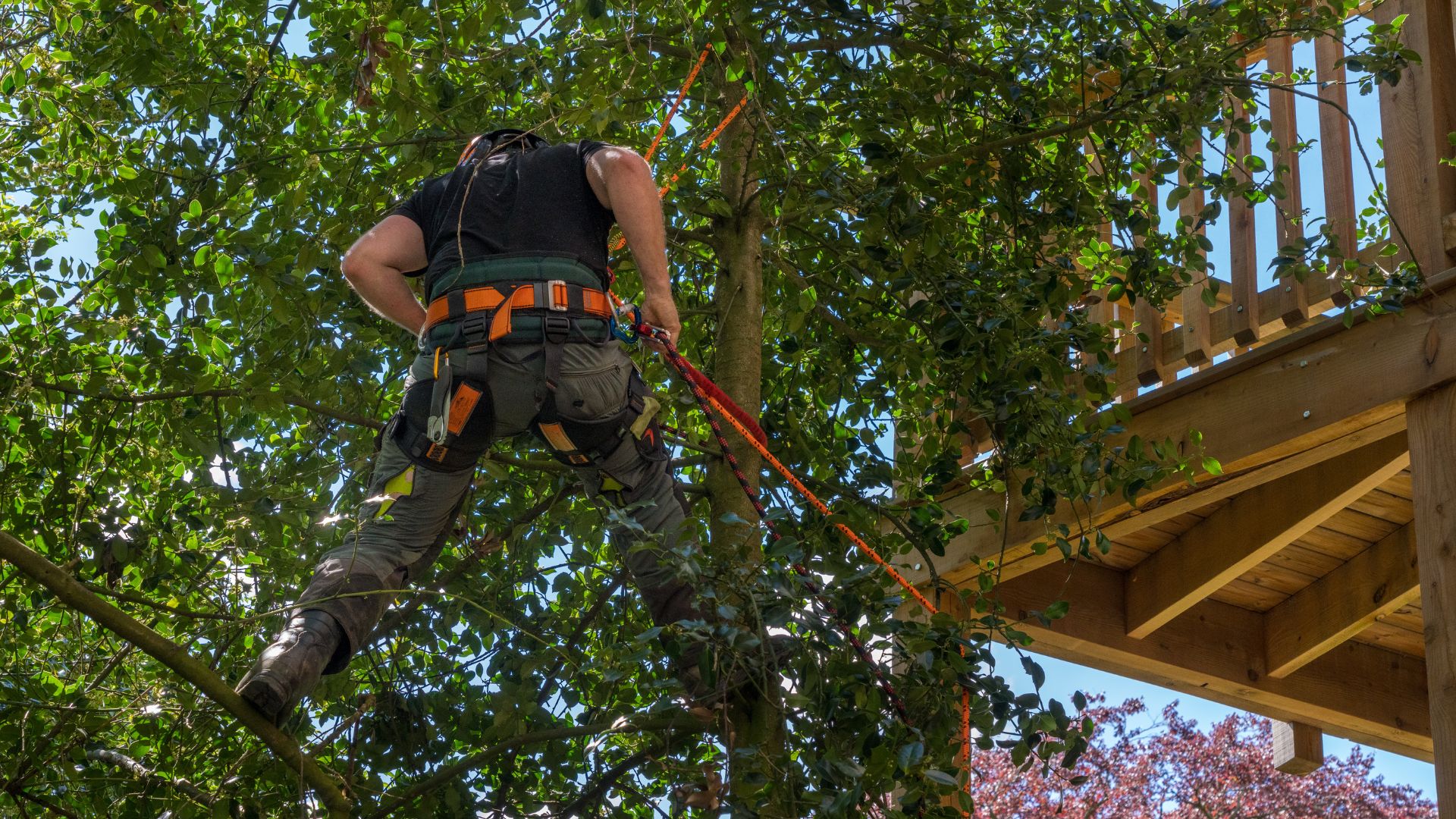
Dead and damaged branches pose serious safety risks to your family, vehicles, and home. Colorado’s spring winds can easily break weakened limbs, sending them crashing down without warning. By removing these hazards early in the season, you’re protecting your property before storm season arrives in earnest.
Overgrown trees create their own set of problems. Branches touching your roof can damage shingles, trap moisture, and provide highways for squirrels and other pests to access your attic. Limbs growing too close to power lines create fire hazards and potential outages. Dense canopies block sunlight from reaching your lawn and garden, creating dead zones where grass won’t grow. Spring tree trimming addresses all these issues while your trees can best handle the stress of pruning.
Wildfire mitigation is another critical benefit that Colorado Springs homeowners can’t afford to ignore. Creating defensible space around your home starts with proper tree maintenance. Spring trimming allows you to remove lower branches, thin dense canopies, and eliminate dead material that could fuel a fire. With wildfire risk increasing in our region, this is vital for protecting your home and family.
Common Spring Tree Trimming Mistakes to Avoid
You might be tempted to grab your ladder and pruning saw to save money, but DIY tree trimming often creates more problems than it solves. The most common mistake homeowners make is “topping” trees: cutting off the main leader or large portions of the canopy. This practice severely damages trees, creates weak growth, and actually increases long-term maintenance costs.
Another error is pruning at the wrong time. You might see a nice weekend in February and decide to tackle your trees, but pruning during dormancy doesn’t provide the same benefits as spring pruning. Similarly, waiting until late spring or early summer means you’ve missed the optimal window and your trees won’t heal as efficiently.
Improper cutting techniques cause lasting damage. Cutting too close to the trunk damages the tree’s branch collar, which is needed for proper healing. Cutting too far from the trunk leaves stubs that die back, creating entry points for disease. Spring tree trimming mistakes might seem minor, but they compromise your tree’s health and structural integrity for years to come.
Species-Specific Considerations for Colorado Springs Trees
Your property likely contains a mix of tree species, and they don’t all respond to spring tree trimming the same way. Deciduous trees like ash, maple, and oak benefit tremendously from spring pruning before they leaf out. These trees respond with vigorous growth once temperatures warm.
Fruit trees require specialized spring pruning to maximize production and maintain a manageable size. If you have apple, pear, or cherry trees, spring pruning shapes the tree, removes diseased wood, and encourages the development of fruiting wood. Timing is critical. Too early and you risk frost damage to cuts; too late and you’ve missed the window for optimal healing.
Evergreens like pine, spruce, and fir have different requirements. While you can prune these trees in spring, the approach differs significantly from that of deciduous trees. Pines should be pruned when candles (new growth) are actively growing, allowing you to control size without leaving bare branches. Spruces and firs can be shaped in spring, but you must avoid cutting into old wood that won’t produce new growth.
See Also: Stressed Pine Trees Colorado Springs: How to Identify and Address Tree Stress
Spring Tree Trimming: What Sets Peak Tree Service Apart
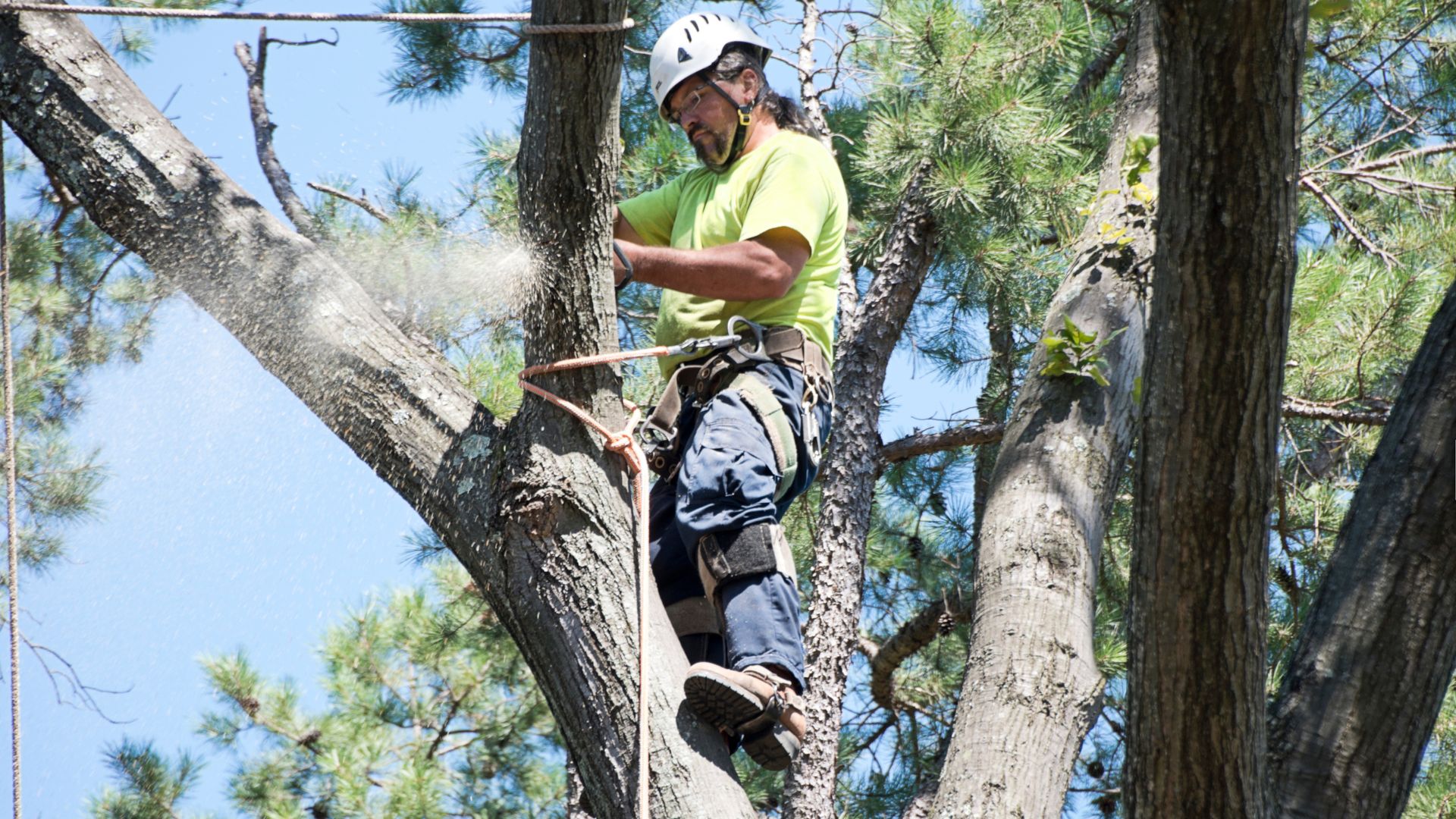
You have plenty of options when choosing a tree service company in Colorado Springs, but not all companies deliver the same level of care and professionalism. At Peak Tree Service, owner Don Ruybal personally inspects your trees and provides your quote during the same visit. We provide same-day quotes because we respect your time. You shouldn’t have to wait days or weeks for a simple estimate. We show up when we say we will, thoroughly assess your trees, and give you a detailed, itemized quote with no hidden fees. You’ll know exactly what you’re paying for and why each service is recommended.
Our 200+ five-star reviews reflect our dedication to quality and customer satisfaction. We treat your property like our own, protecting your lawn, gardens, and structures during our work. We complete a thorough cleanup, leaving your property cleaner than we found it. Many companies rush through jobs to maximize daily revenue, but we’re focused on doing the work right, not just doing it fast.
Now is the Time for Spring Tree Trimming: Take Action with Peak Tree Service
Your trees won’t wait for the perfect moment. Every week you delay is a week of optimal growing conditions your trees miss out on. You deserve peace of mind knowing your trees are healthy, safe, and properly maintained. You deserve transparent pricing, professional service, and results you can see. You deserve a company that shows up on time, does quality work, and treats your property with respect.
Peak Tree Service has been delivering these results to Colorado Springs homeowners for over 20 years. We’re not the biggest tree service company in town, but we’re the one that will treat you right and deliver work we’re proud to put our name on. Don’t let another spring pass while your trees struggle with dead wood, poor structure, and safety hazards. Get in touch with Peak Tree Service today for your free quote on spring tree trimming. Your trees and your peace of mind are worth the investment.
FAQs: Spring Tree Trimming
When is the best time to trim trees in Colorado Springs?
The optimal time for tree trimming in Colorado Springs is late March through early May, when trees are transitioning from dormancy to active growth. This timing allows trees to heal quickly while giving you clear visibility of the branch structure before leaves emerge. Pruning during this window also removes dead wood before pests and diseases become active in late spring and summer.
How much does spring tree trimming cost in Colorado Springs?
Tree trimming costs vary based on tree size, number of trees, accessibility, and the extent of work needed. At Peak Tree Service, we provide transparent, itemized same-day quotes with no hidden fees so you know exactly what you’re paying for and why. Contact us today for your free quote and personalized assessment of your trees’ specific needs.
Can I trim my own trees or should I hire a professional?
While minor pruning of small branches may be manageable for homeowners, professional tree trimming ensures proper techniques, safety, and optimal tree health. Common DIY mistakes like topping, improper cuts, or removing too much canopy can permanently damage trees and create dangerous weak growth. Professional services also carry proper insurance to protect you from liability if accidents occur during tree work.
Related posts:
 Spring Tree Inspections in Colorado Springs: Pre-Season Checklist for Pikes Peak Homeowners
 Tree Trimming vs. Tree Topping: What Colorado Springs Homeowners Need to Know
 Dead Tree Removal in Colorado Springs: Why Immediate Action Protects Your Home
 7 Signs Your Colorado Springs Property Needs Professional Tree Trimming