
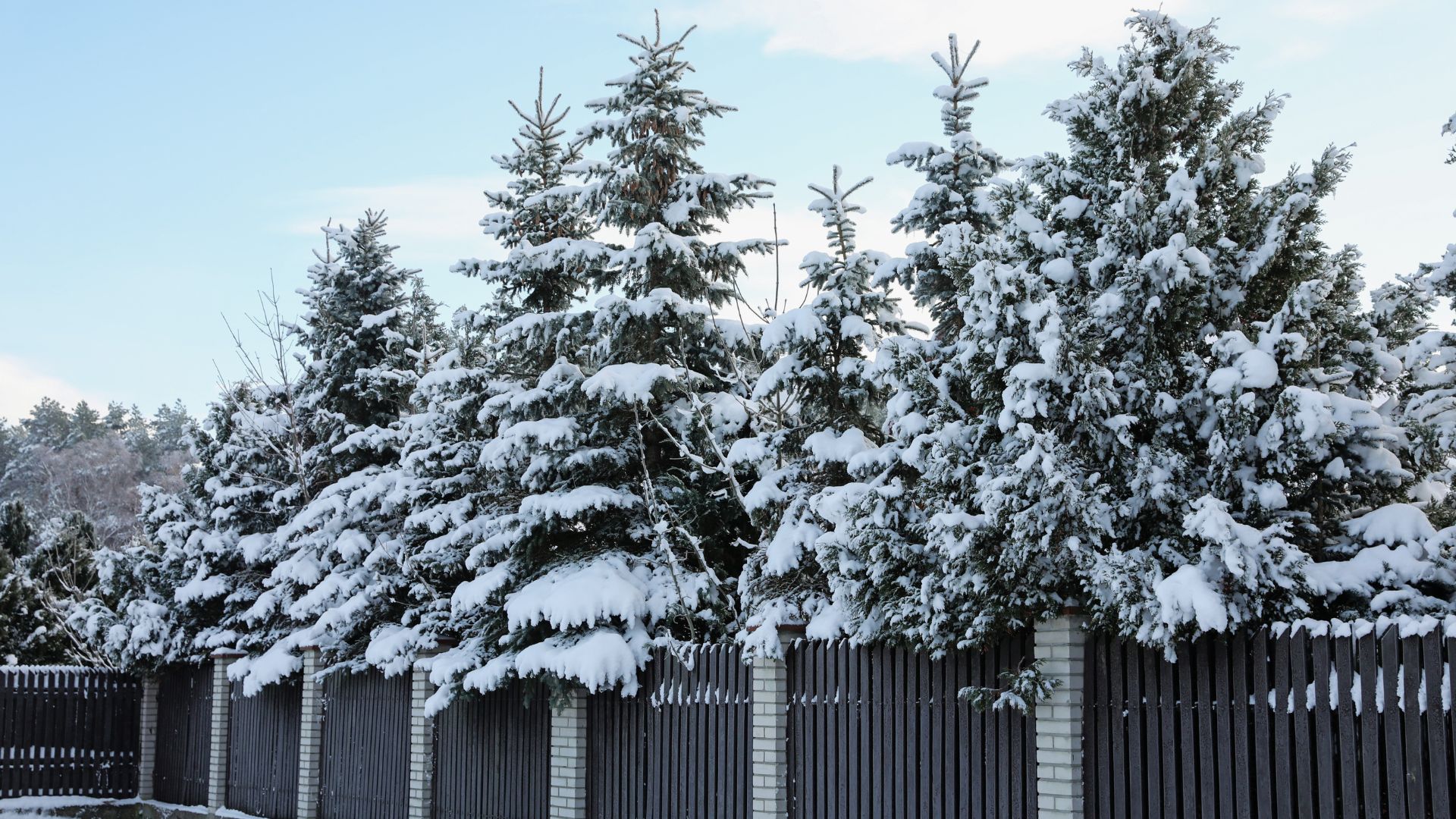
Why Winter Takes a Toll on Your Trees
Have you ever noticed how some neighborhoods seem to lose more trees after winter than others? It’s not bad luck. It’s homeowners missing the major tree warning signs. Your trees are trying to communicate with you. Subtle cracks, unusual bark patterns, or dead branches might actually be sending distress signals that, if addressed promptly, could save your trees.
The good news? With a tree health inspection in Colorado Springs, you can spot these tree problems before they escalate into immediate (and often expensive) intervention.
The 5 Most Overlooked Winter Tree Problems in Colorado Springs
Hidden Frost Cracks and Sun Scalding
On sunny winter days, the south and southwest sides of tree trunks may warm, activating the living tissue beneath the bark. When temperatures drop after sunset, this tissue refreezes quickly, often resulting in vertical cracks in the bark and wood.
Frost cracks may seem minor initially, but they provide entry points for diseases and pests in spring. Sun scalding occurs when bright winter sunlight reflected off snow damages the thin bark of young trees. Affected trees may display discolored or sunken areas where the protective layer is compromised.
Excessive Snow Load and Hidden Branch Damage
When heavy, wet snow blankets your trees, the added weight can cause significant stress and damage. Damaged limbs create serious hazards that often go undetected until they fall unexpectedly during a spring storm or when new leaf growth adds additional weight.
Look closely at branch unions (where branches connect to larger limbs or the trunk) after significant snowfall. A tree health inspection in Colorado Springs could reveal signs of stress, like small cracks in the bark, slight separation at the union point, or unusual angles that weren’t present before winter. Pay special attention to trees with multiple trunks or V-shaped crotches, as these structures are particularly vulnerable to splitting under snow loads.
Read Also: Are You in Danger? When to Call for Emergency Tree Removal Services in Colorado Springs
Winter Drought Stress and Root Damage
Trees can experience drought stress during winter when frozen, dry ground limits moisture absorption. This stress often goes unnoticed until symptoms appear in spring, by which time significant damage may have occurred. Watch for dry, brittle branches, early browning or needle drop in evergreens. If soil several inches below the surface remains dry on warmer days, additional watering is needed.
Hidden Pest Activity and Overwintering Sites
While many insects become dormant during winter, some pests remain active beneath bark or in soil around tree roots. Others lay eggs or create protective cocoons in bark crevices, branch unions, and other sheltered areas. You might not see the insects themselves during winter, but evidence of their presence often exists if you know where to look.
Examine your trees for small holes in bark, unusual sawdust-like material (frass), or abnormal growths and swellings. Pay special attention to trees that showed signs of stress during the previous growing season, as pests are typically more attracted to weakness. Evergreens might display browning needles, while deciduous trees could have unusual blemishes or cankers on branches that persist after leaf drop. If you’re unsure how to identify pests, it’s always a good idea to schedule a tree health inspection in Colorado Springs.
Internal Decay and Structural Weakness
Perhaps the most dangerous winter tree problem, and the most frequently overlooked, is internal decay. Trees in Colorado Springs face numerous stressors throughout their lives, which can trigger internal decay. During winter, when trees direct resources away from defense mechanisms, these decay pockets can expand unnoticed.
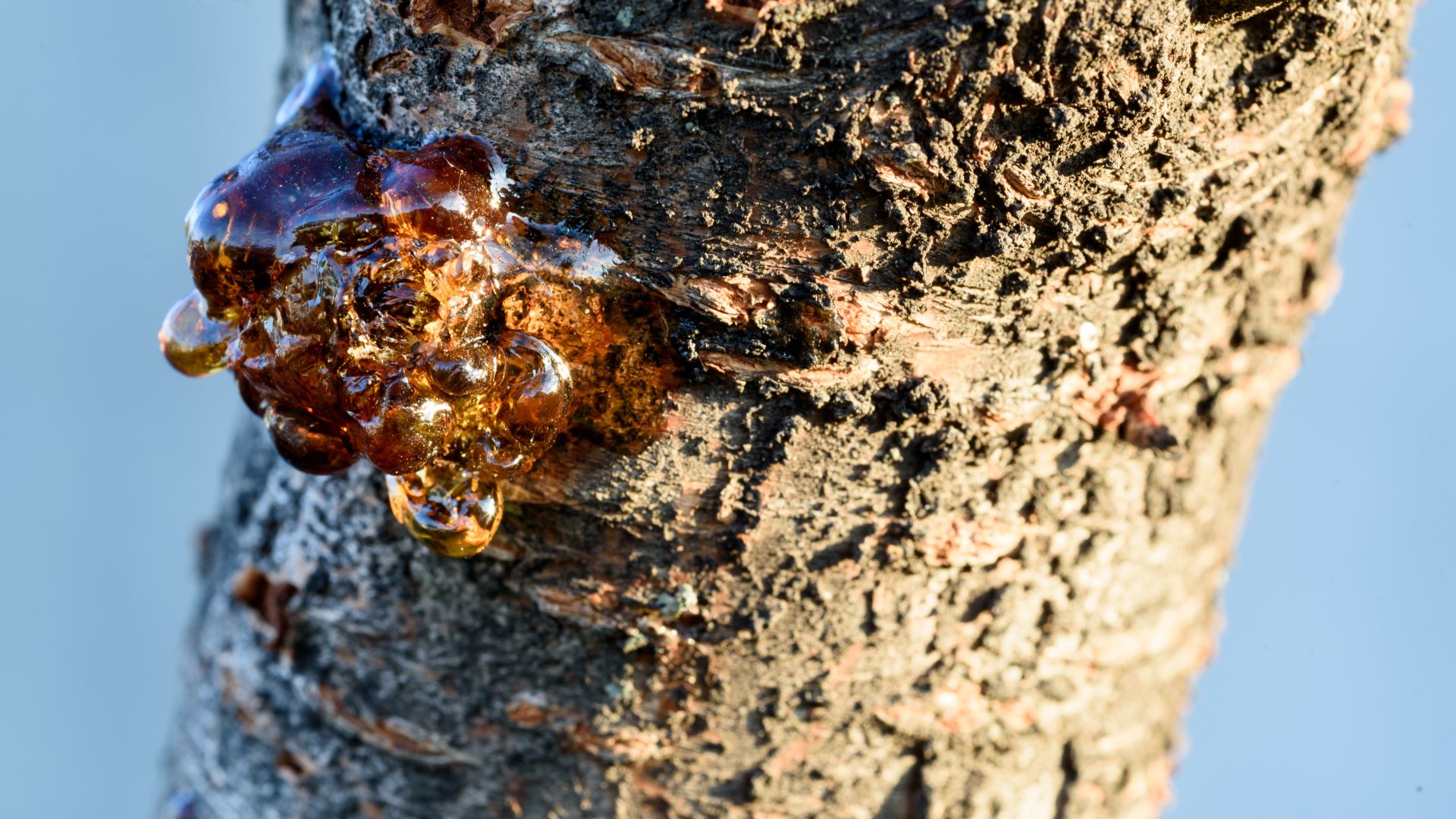
While you might not be able to see inside your tree, certain external indicators suggest potential internal problems. Look for mushrooms or conks growing on or near the trunk, seeping areas where sap or moisture emerges from the bark, or abnormal swellings and depressions in the trunk. Trees with large dead branches or a history of improper pruning cuts are particularly susceptible to internal decay issues.
Why Winter Tree Health Inspection in Colorado Springs Matters
You might wonder why winter is the best time for a tree health inspection in Colorado Springs. Winter provides the best opportunity to evaluate your trees without the concealing effect of leaves and full foliage. When deciduous trees stand bare against the winter sky, structural issues, deadwood, and problematic growth patterns become much more visible to trained eyes.
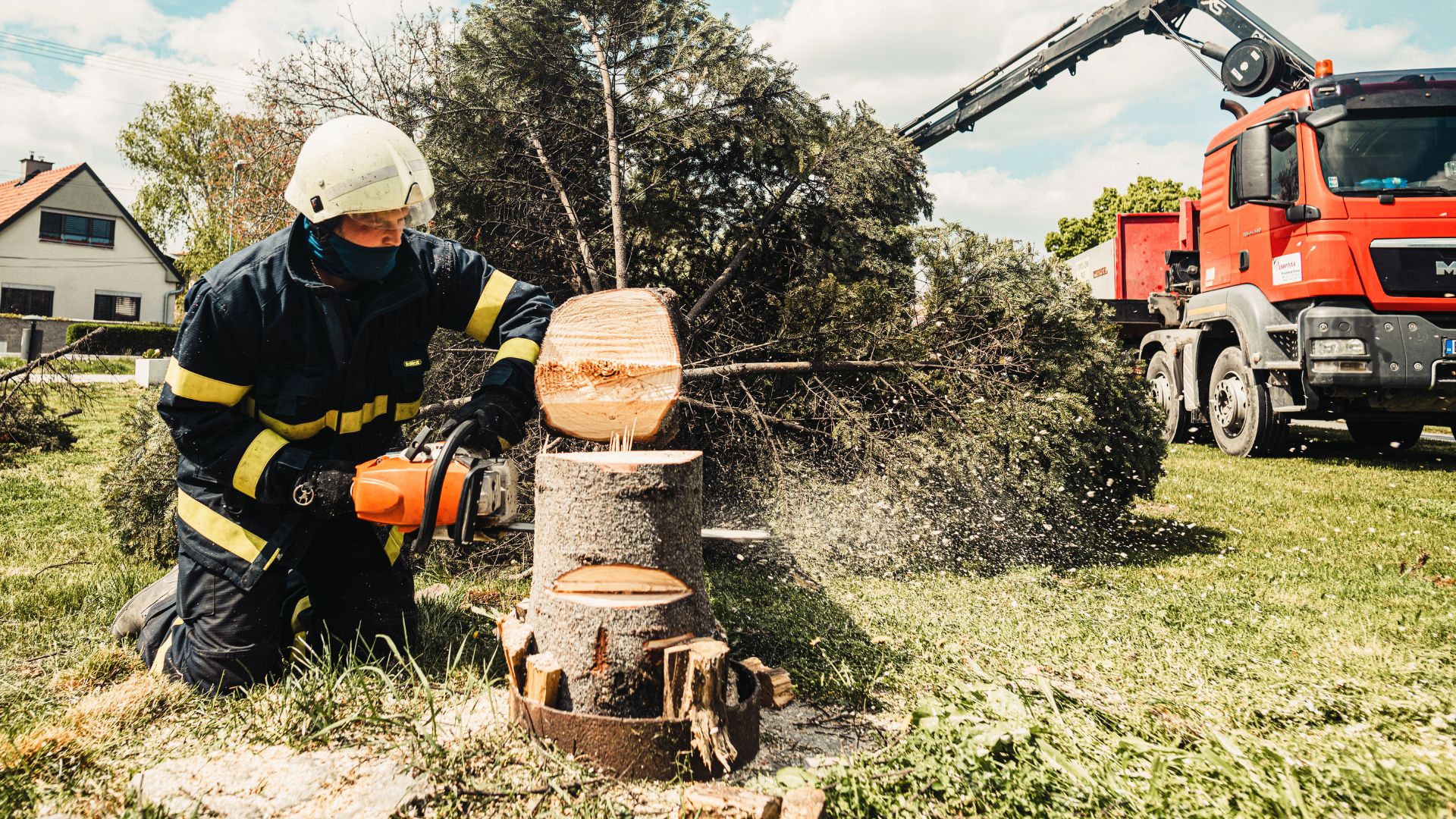
Winter inspections also allow for more efficient scheduling of necessary pruning and maintenance. Dormant pruning causes less stress to trees and often results in more vigorous spring growth. Additionally, frozen ground can make it easier to access trees in some landscape settings without causing soil compaction or damage to surrounding plants. By addressing problems during winter, your trees will be better positioned to thrive when the growing season begins.
Related: The Hidden Costs of Delaying Tree Removal in Colorado Springs
The Peak Tree Service Difference: Our Comprehensive Winter Inspection Approach
At Peak Tree Service, we’ve developed a thorough winter inspection protocol based on over 20 years of experience throughout the Pikes Peak region. When you schedule a tree health inspection in Colorado Springs with our team, you’ll receive much more than a quick visual assessment. Our process includes a detailed evaluation of every aspect of your trees’ health and structural condition.
We begin by assessing overall tree architecture, identifying potential structural weaknesses before examining specific areas for signs of stress, disease, or pest activity. Our inspections include evaluation of root zones, trunk condition, branch structure, and growth patterns. We’ll identify dead or dying branches that should be removed before spring storms, and locate potential hazards that could threaten your property.
Unlike companies that use inspections primarily as sales opportunities, at Peak Tree, our services include honest assessments focused on your trees’ actual needs. If your trees are healthy and structurally sound, we’ll tell you so. If we identify issues requiring attention, we’ll explain exactly what we’ve found, why it matters, and the options you have to address them.
Schedule Your Winter Tree Health Inspection in Colorado Springs with the Experts at Peak Tree Service
Don’t wait until spring reveals winter damage that could have been prevented. Get in touch with Peak Tree Service today to schedule your comprehensive tree health inspection in Colorado Springs. Our team is ready to help you identify potential problems, develop effective solutions, and ensure your trees remain safe, healthy, and beautiful year-round.
With our convenient scheduling, same-day quotes, and commitment to customer satisfaction, you’ll experience hassle-free tree service that respects your time and budget. We’re fully licensed for your protection, and we stand behind our work with a satisfaction guarantee you can trust.
FAQs: Winter Tree Health Inspections in Colorado Springs
When is the best time to schedule a tree health inspection in Colorado Springs?
The best time for a tree health inspection in Colorado Springs is during late fall or early winter before heavy snowfall begins. Winter inspections allow professionals to see structural issues more clearly without the concealment of leaves. Scheduling proactive inspections during dormant periods helps identify potential problems before spring storms require emergency services.
What are the signs that my trees need immediate attention during winter in Colorado Springs?
Signs requiring immediate attention include visible cracks in the trunk, leaning trees, hanging or broken branches, and mushrooms growing from the base or trunk. You should also be concerned about trees with multiple dead branches larger than 2 inches in diameter or those showing significant needle/leaf drop outside of normal seasonal patterns. Trees located near structures that show any of these warning signs should be evaluated with a tree health inspection in Colorado Springs.
Can winter drought affect my trees even with snow on the ground in Colorado Springs?
Yes, winter drought can severely affect your trees in Colorado Springs even when there appears to be snow on the ground. Colorado’s dry climate, high winds, and intense winter sun can cause moisture loss while frozen ground prevents trees from replacing that moisture through their root systems. Periodic winter watering during temperatures above 40°F helps prevent drought stress and ensures your trees emerge from winter in optimal health.