
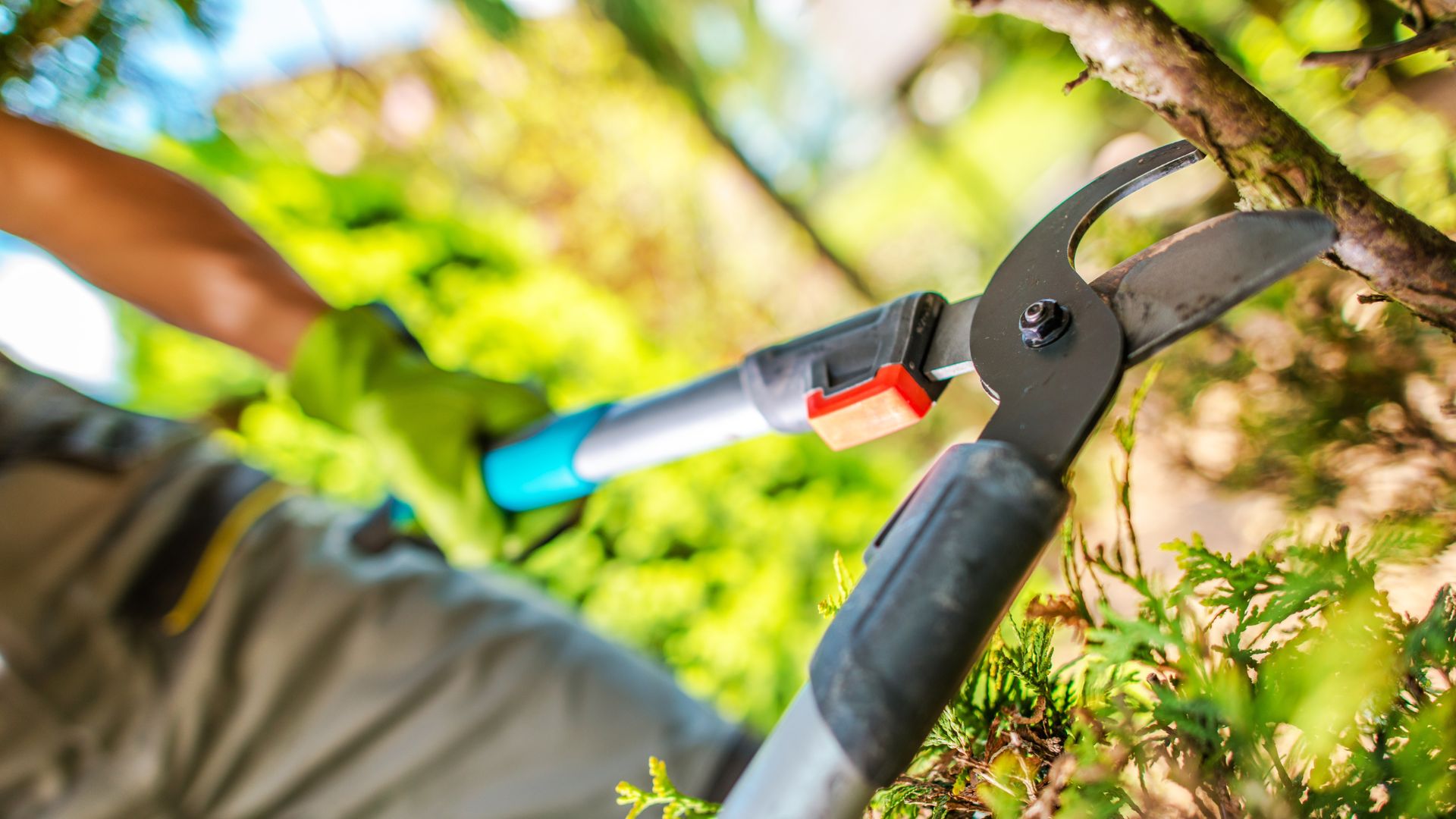
Summary: Spring tree inspections in Colorado Springs are vital after harsh winter storms because they can identify storm damage, dead branches, and safety hazards before they become emergencies. Colorado’s dramatic temperature swings, late-season snowstorms, and wildfire risk make early spring the ideal time to assess your trees and address problems proactively. Peak Tree Service offers free inspections with owner Don Ruybal personally evaluating your property, providing transparent quotes, and delivering the full range of services from pruning to wildfire mitigation so you never have to worry about your trees again.
Why Your Trees Are Silently Screaming for Attention Right Now
You’ve probably walked past the trees in your front yard a hundred times without giving them a second thought. But here’s what’s likely happening while you’re focused on spring cleaning. Your trees could be harboring cracked limbs, dead branches could be dangling over your kids’ play area, or winter damage might have created entry points for diseases and pests. If you’re in a wildfire-prone area (which, let’s face it, most of us are), overgrown or unhealthy trees are kindling waiting for a spark.
The frustrating part? Most of this damage isn’t obvious from the ground. You need to know what to look for, and more importantly, you need to catch problems early before they become emergencies. That’s where thorough spring tree inspections in Colorado Springs come in.
Related: Stressed Pine Trees Colorado Springs: How to Identify and Address Tree Stress
The Pre-Season Checklist Every Pikes Peak Homeowner Needs
There’s a systematic approach to spring tree inspections in Colorado Springs. By following this checklist, you can identify which trees need professional attention from Peak Tree Service.
Structural Assessment
- Check for leaning or tilting: Walk around each tree and observe it from multiple angles. Even a slight lean that developed over winter could indicate root damage or structural instability.
- Examine the major limbs: Look for cracks, splits, or V-shaped branch unions, which are weak points prone to failure.
- Assess the trunk: Inspect for vertical cracks, seams, or areas where bark has separated from the underlying wood.
- Evaluate branch distribution: Notice if the tree has lost major branches on one side, creating an unbalanced canopy that could lead to future problems.
Health Indicators
- Inspect bark condition: Healthy bark should be intact and firmly attached. Peeling, missing, or damaged bark exposes the tree to threats.
- Look for signs of disease: Discolored leaves (if present), fungal growth, oozing sap, or cankers are all warning signs.
- Check for pest damage: Small holes, sawdust, or unusual insect activity around the tree may indicate a potential infestation.
- Observe bud development: As spring progresses, healthy trees should show signs of new growth. Dead branches won’t produce buds or leaves.
Safety Hazards
- Identify dead or dying branches: These are the most immediate threats to your property and safety, and definitely warrant spring tree inspections in Colorado Springs.
- Note proximity to structures: Trees or branches overhanging your home, garage, power lines, or play areas require priority attention.
- Assess wildfire risk: Overgrown trees, low-hanging branches, and dead material increase your property’s vulnerability during fire season.
- Check for interference: Branches touching your roof, rubbing against siding, or blocking pathways need to be addressed.
Root Zone Evaluation
- Look for exposed roots: Erosion or soil compaction can expose roots, compromising tree stability.
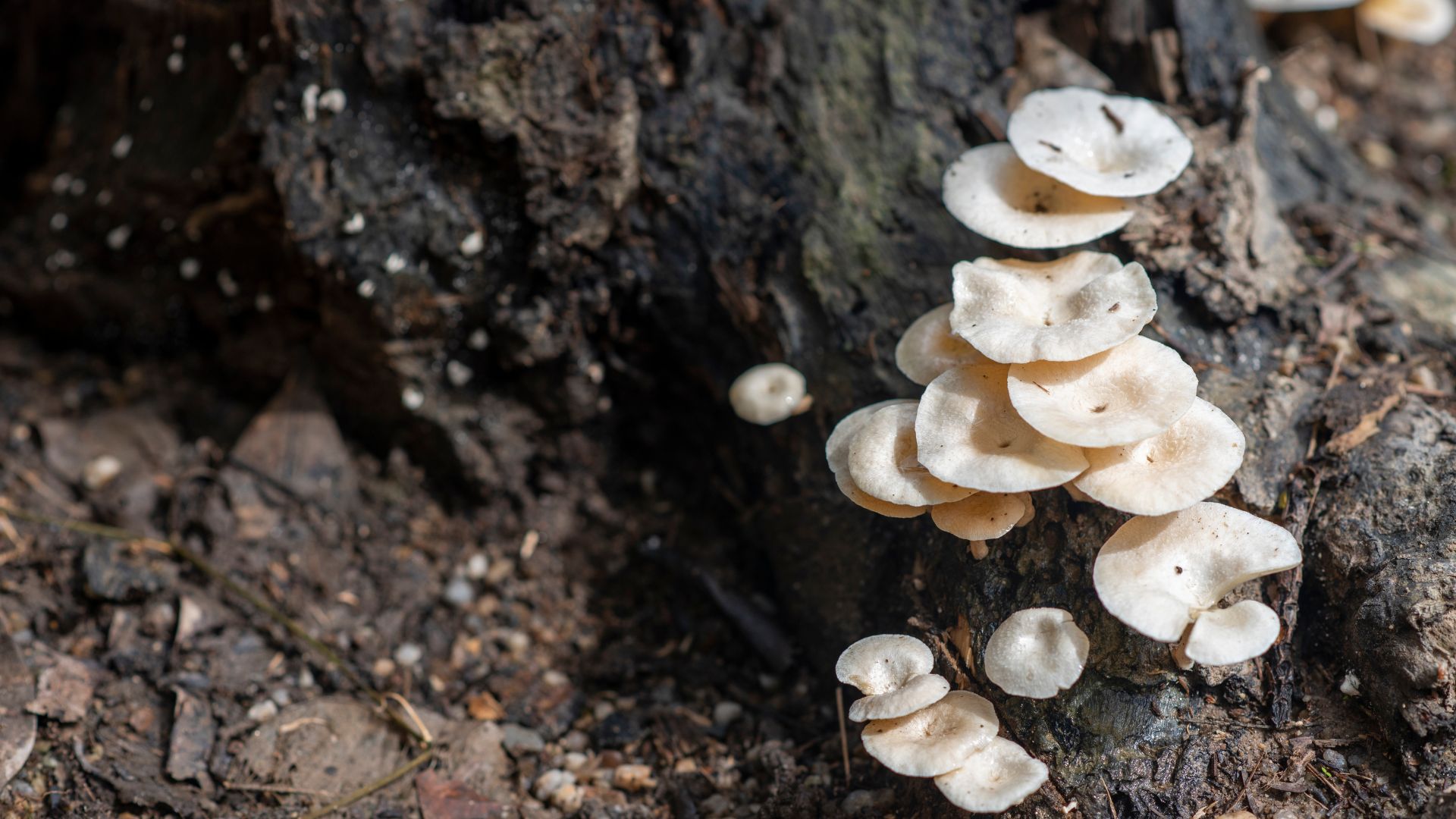
- Check for fungal growth: Mushrooms at the base often indicate root rot or internal decay.
- Assess soil condition: Compacted, eroded, or waterlogged soil around trees signals problems that need correction.
- Notice any heaving: Soil lifting on one side of the tree suggests the root system is failing. If the root system fails, the tree will fall.
You May Also Like: 7 Signs Your Colorado Springs Property Needs Professional Tree Trimming
Why Spring Timing Matters in Colorado
You might be wondering why spring tree inspections in Colorado Springs are so important. The answer has everything to do with Colorado’s unique seasonal patterns and tree biology. Spring is when trees emerge from dormancy and enter their active growth phase. It’s best to identify winter damage before the tree invests energy into new growth. Additionally, many tree diseases and pests become active in spring, and catching them early dramatically improves treatment success. If you wait until summer when problems become obvious, you’ve often missed the window for effective intervention.
Spring is also the best time for certain types of pruning and maintenance work. Trimming before the tree fully leaves out allows for better visibility and reduces stress on the tree. By the time the summer winds arrive, your trees will be properly maintained and less likely to cause emergency situations. You’ll also beat the rush. Summer is our busiest season for emergency calls, so getting spring tree inspections in Colorado Springs done early means faster scheduling and better availability.
What Peak Tree Service Offers That Others Don’t
When you call Peak Tree Service for your spring tree inspections in Colorado Springs, you’re getting over 20 years of experience working with Colorado Springs trees and the unique challenges of our climate. Owner Don Ruybal personally conducts inspections and provides quotes during the same visit, which means you’re getting a knowledgeable assessment from someone who genuinely cares about tree health and your property’s safety.
Our many five-star reviews reflect our quality work, fair pricing, and respect for your property. We don’t just show up, cut some branches, and leave. We complete a thorough cleanup, leaving your property looking better than when we arrived. And our satisfaction guarantee means if you’re not happy with our work, we’ll make it right.
Perhaps most importantly, we offer the full range of services you might need based on your spring inspection findings. Whether it’s selective pruning to remove hazardous branches, complete tree removal for trees that pose safety risks, stump removal to clean up your landscape, or wildfire mitigation to protect your property during fire season, we handle it all.
Common Spring Tree Problems We See
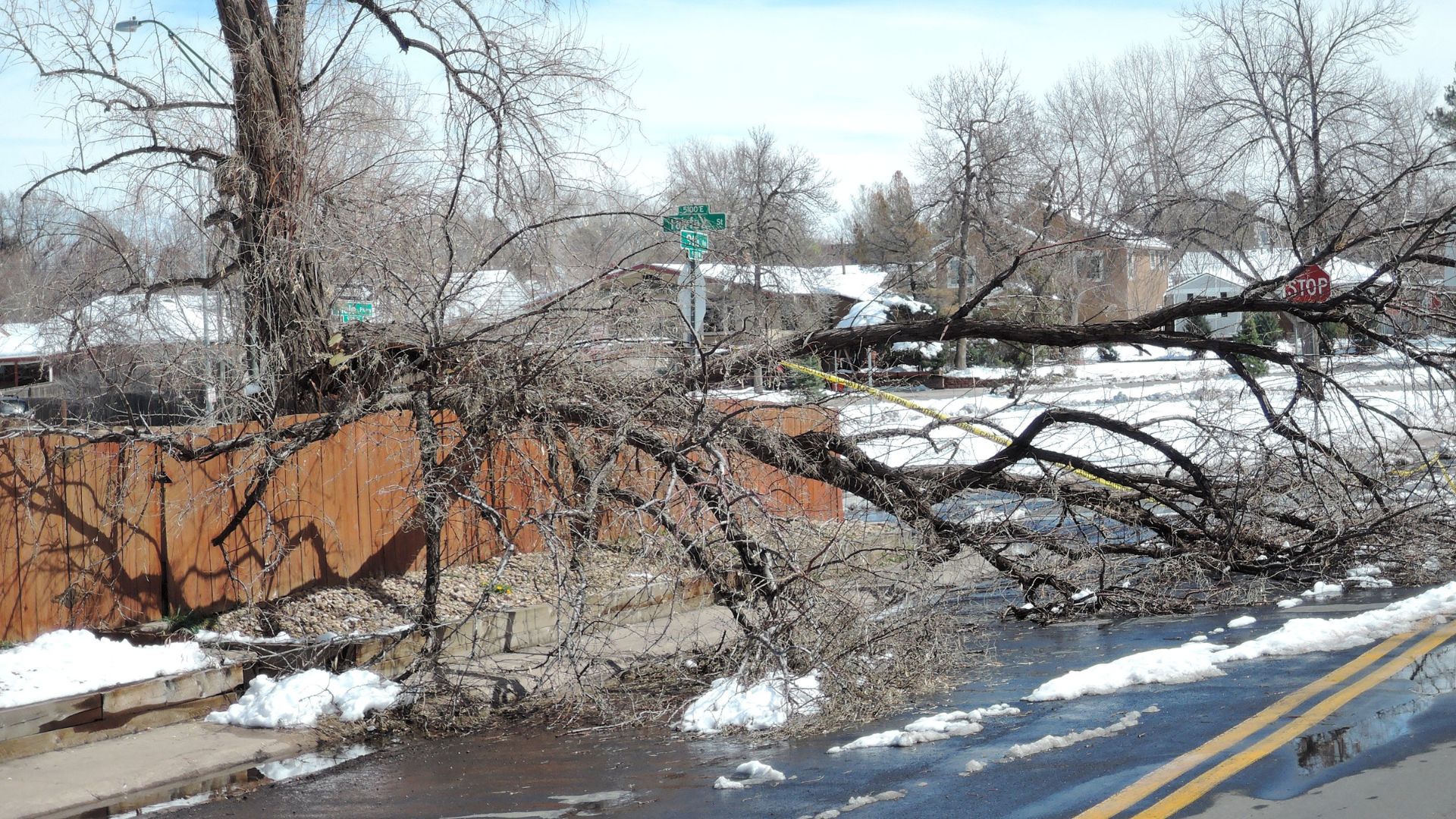
After two decades of spring tree inspections in Colorado Springs, we’ve seen just about every tree problem you can think of. One of the most common issues we encounter during spring inspections is storm damage that homeowners didn’t realize occurred. Heavy, wet spring snow can break branches that then hang precariously in the canopy, invisible from the ground but ready to fall during the next windstorm.
We also frequently find winter desiccation damage, especially on evergreens. When trees can’t draw moisture from frozen ground but continue to lose water through their needles during sunny winter days, they become severely stressed. Stress often isn’t obvious until spring, when you notice brown, dead sections that won’t recover.
Insect infestations are another spring concern we regularly address. Pine beetles, in particular, are a serious threat to our area’s pine trees. Spring is when these pests become active, and early detection is crucial for protecting not only the affected tree but also neighboring trees.
Read Also: Winter Tree Damage in Colorado Springs: How Freeze-Thaw Cycles Harm Your Trees
Need Spring Tree Inspections in Colorado Springs? Peak Tree Service Has You Covered!
Your trees have been through a tough Colorado winter, and they need attention before the growing season kicks into high gear. Don’t let potential hazards in your landscape become expensive emergencies or safety threats to your family. Peak Tree Service is here to provide the thorough, professional assessment your property deserves.
Get in touch with us today to schedule your spring tree inspections in Colorado Springs. We will visit your property, conduct a thorough evaluation, and provide you with a detailed, transparent quote during the same visit. With over 20 years of experience serving the Pikes Peak region, full licensing and insurance, and 200+ five-star reviews from satisfied homeowners just like you, Peak Tree Service delivers the quality, reliability, and fair pricing you’re looking for.
FAQs: Spring Tree Inspections in Colorado Springs
When is the best time to inspect trees in Colorado Springs?
The ideal time for spring tree inspections in Colorado Springs is early March through May, after the threat of heavy snow has passed but before trees fully leaf out. This timing allows you to identify winter damage while trees are still dormant and address problems before the active growing season begins. Early spring inspections also help you catch pest and disease issues when they’re most treatable.
How much does a tree inspection cost in Colorado Springs?
Peak Tree Service provides spring tree inspections in Colorado Springs. Owner Don Ruybal will personally visit your property, conduct a thorough assessment, and provide a detailed, itemized quote during the same visit with no obligation. Contact us today to schedule your spring tree inspection and get the professional assessment your property deserves.
Can I inspect my own trees or do I need a professional?
While homeowners can conduct basic visual inspections from the ground to spot obvious problems like dead branches or leaning trees, a professional inspection is recommended for accurate assessment of structural integrity, disease, and hidden hazards. Trained arborists can identify subtle warning signs that untrained eyes miss, safely assess the upper canopy, and determine whether problems require immediate attention or can be monitored. Professional inspections also ensure you’re not overlooking safety hazards that could lead to property damage or injury.