
The Pine Beetle Threat that Lurks in Your Backyard
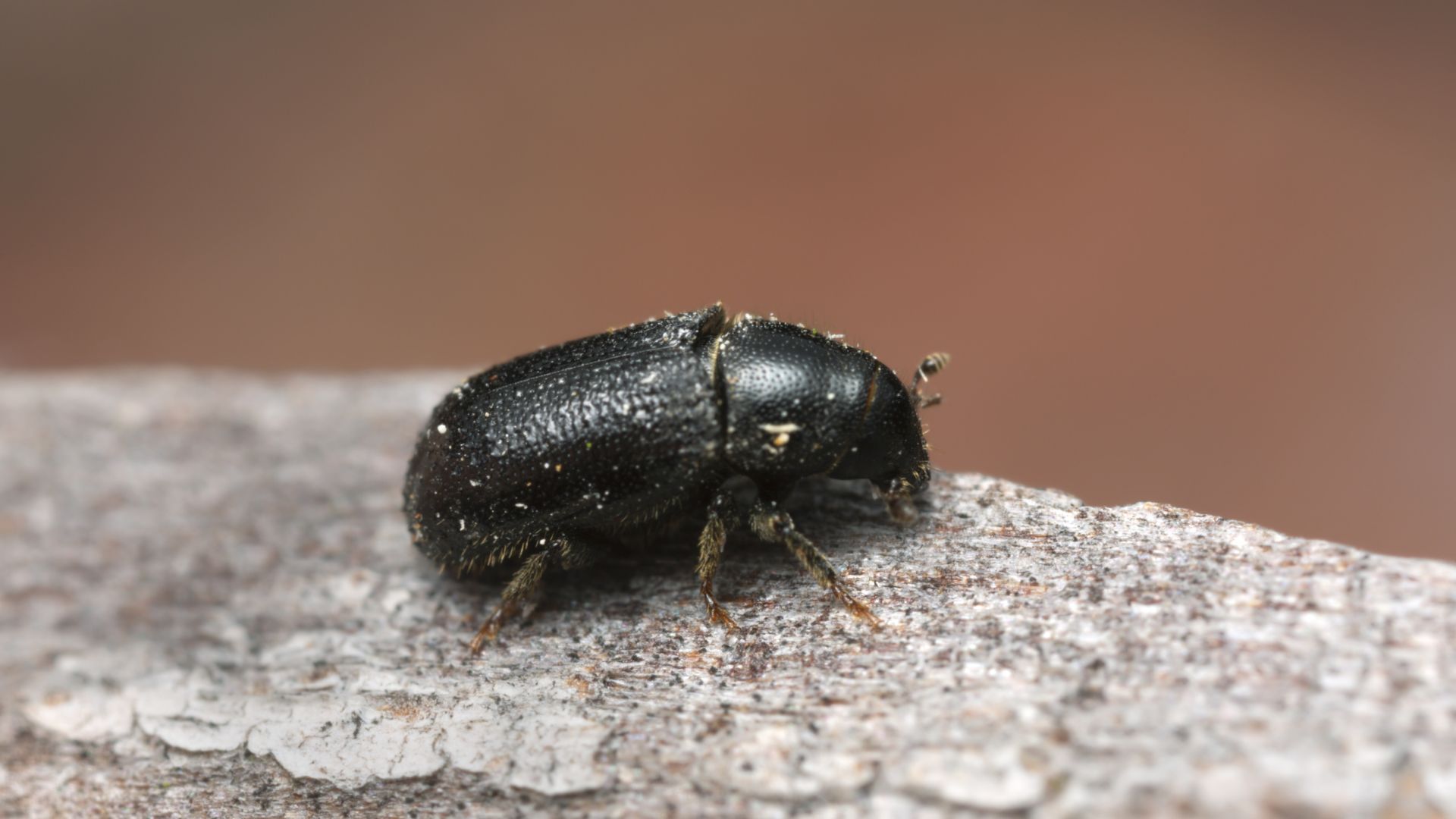
Mountain pine beetles (Dendroctonus ponderosae) target pine trees, particularly ponderosa, lodgepole, and limber pines, which are abundant throughout the Pikes Peak region. Under normal conditions, healthy trees can defend themselves by producing enough pitch to push attacking beetles out of the bark. However, when trees are stressed by drought, overcrowding, or poor health, they become vulnerable to beetle attacks that they simply can’t fight off.
To make matters worse, Colorado’s extended droughts and warmer weather have weakened trees across the region, making them less able to produce defensive pitch. Warmer winters mean that fewer beetles die during cold snaps, allowing populations to explode. These beetles have a short lifecycle, yet they are still devastating.
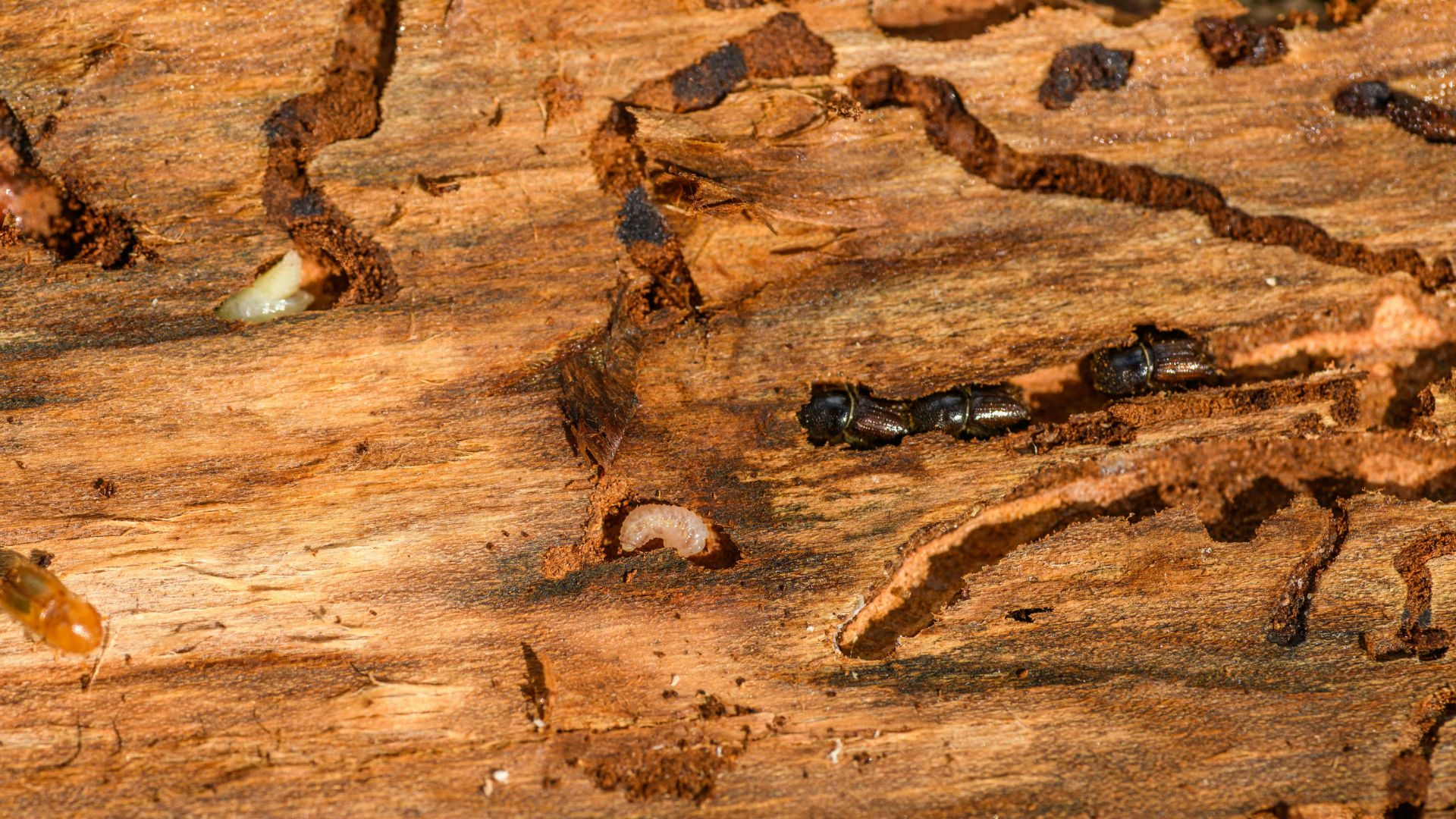
Adult beetles emerge in late summer, typically July through September, and fly to find suitable host trees. Once they locate a target, they bore through the bark and create galleries where they lay eggs. The larvae feed on the inner bark throughout fall and winter, disrupting the tree’s ability to transport water and nutrients. By the following summer, a new generation of beetles emerges to repeat the cycle. A single infested tree can produce thousands of mountain pine beetles.
Recognizing the Warning Signs Before It’s Too Late
Early detection can make the difference between saving a tree and losing it entirely. The first sign of mountain pine beetles is often the most subtle: small, popcorn-sized pitch tubes on the bark. These reddish-brown or white masses of resin appear where beetles have bored into the tree. You should also look for fine, reddish-brown, sawdust-like dust around the base of the tree; this is a telltale sign of beetle activity.
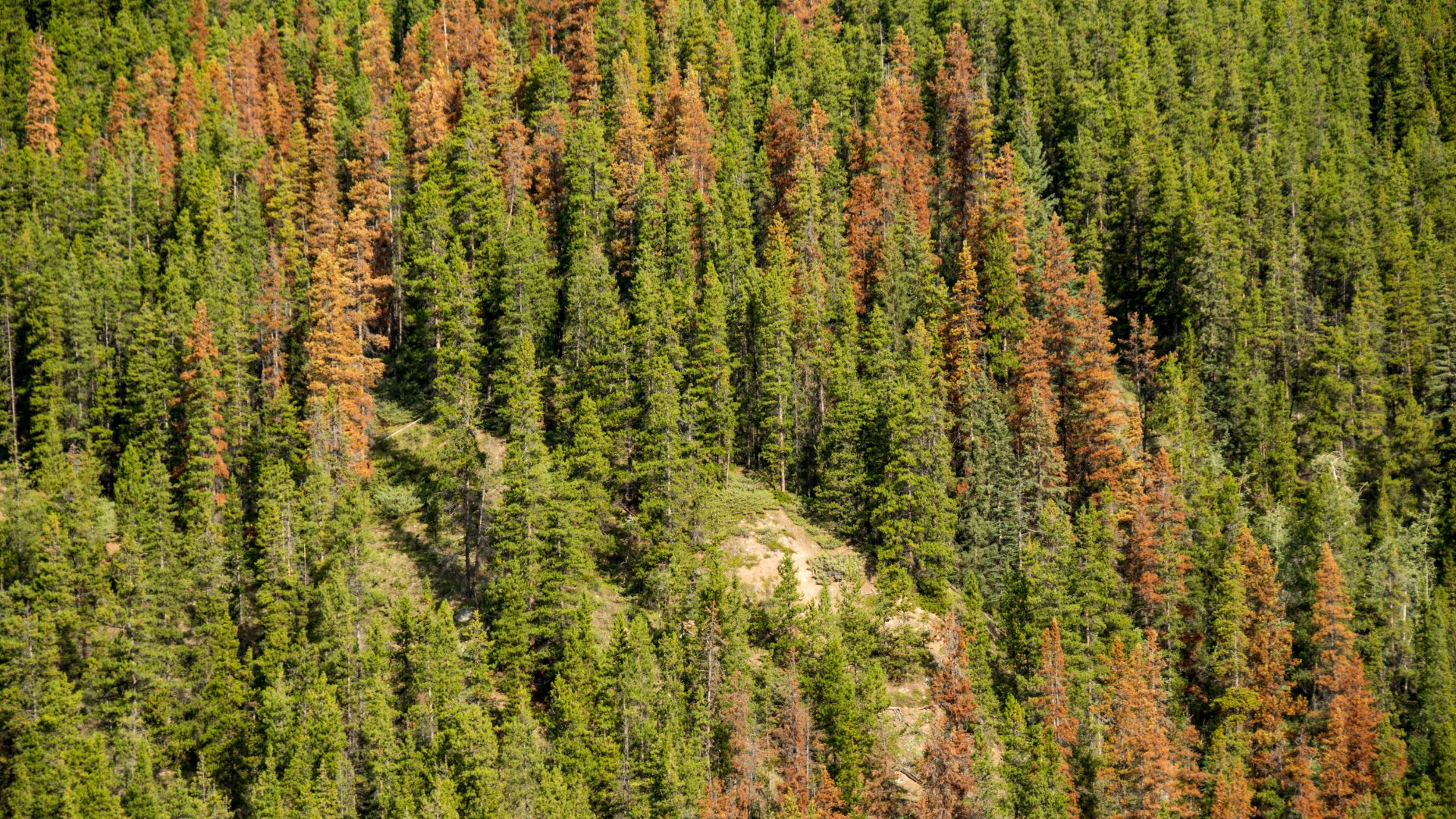
As the infestation progresses, you’ll notice the tree’s needles begin to fade to a yellowish-green, usually in the spring following the initial attack. Within a few months, the needles will turn completely brown or red. Once a tree reaches this stage, it’s already dead, and the beetles have moved on.
Another diagnostic sign is woodpecker activity. If you notice woodpeckers intensely working on a pine tree, pecking away large sections of bark, they’re likely feeding on beetle larvae. While woodpeckers can help reduce beetle populations, their presence confirms that your tree is infested with bugs.
Related: Stressed Pine Trees Colorado Springs: How to Identify and Address Tree Stress
Proven Prevention Strategies That Actually Work
The best defense against mountain pine beetles is maintaining healthy, vigorous trees that can resist attacks. You can’t beetle-proof your property entirely, but you can significantly reduce your risk through proper tree care.
Water Your Trees
Water management is your first line of defense. During dry periods, you should water your pine trees deeply and infrequently rather than with shallow, frequent watering. Apply water to the entire root zone, which extends well beyond the drip line of the branches. A good rule of thumb is to provide about 1-2 inches of water per month during the growing season when natural precipitation is inadequate.
Thin Them Out
Proper thinning and spacing of your trees reduces competition and stress. If you have multiple pines growing close together, they’re competing for the same water and nutrients, which weakens all of them. It’s recommended to maintain at least 15-20 feet between tree crowns, though this varies based on tree size.
Don’t Wound Them
Avoid wounding your trees unnecessarily. Fresh wounds from construction damage, lawn equipment, or improper pruning can attract mountain pine beetles. When you’re doing yard work, keep mowers and string trimmers away from tree trunks. Any necessary pruning should be done during dormant seasons.
Remove The Infected
Remove infested trees promptly to prevent beetle spread. If you have a tree that’s been attacked by beetles, removing it before the new generation emerges can prevent thousands of beetles from infesting nearby trees. Trees need to be removed and either chipped, burned, or moved away from standing pines before beetles emerge in summer.
You May Also Like: Spring Tree Inspections in Colorado Springs: Pre-Season Checklist for Pikes Peak Homeowners
What Peak Tree Service Brings to Your Property
When you’re facing potential beetle problems, you need a tree service company that can provide customized solutions for your property. At Peak Tree Service, we’ve been helping homeowners protect their trees and manage beetle-related issues since 2008. Owner Don Ruybal personally inspects every property and provides detailed assessments of your trees’ health and vulnerability to beetle attacks.
We’ll begin with a thorough evaluation of your property, where we assess each pine tree for signs of beetle activity, stress factors, and overall health. You’ll receive clear explanations of what we find and honest recommendations about which trees can be saved, which need to be removed, and what preventive measures will benefit your property. When beetle-infested trees need to be removed, we handle the job safely and efficiently.
Beyond beetle-related services, we also provide comprehensive tree care that keeps your pines healthy and resilient. Our trimming and pruning services remove dead branches, improve tree structure, and reduce stress. And our wildfire mitigation services often overlap with beetle prevention strategies, as both involve creating proper spacing and removing hazardous trees.
Stop Mountain Pine Beetles and Avenge Your Trees with Peak Tree Service
Mountain pine beetles are a serious threat, but they’re not unstoppable. With proper care, timely intervention, and professional support when you need it, you can maintain healthy pines that enhance your property for years to come.
Don’t wait until you’re staring at dead trees and facing emergency removal situations. Get in touch with Peak Tree Service for a free assessment of your property. We will inspect your trees, explain our findings in clear terms, and provide you with a detailed quote for any recommended services. Discover the difference that a quality tree service can make today.
FAQs: Mountain Pine Beetles
How do I know if my tree has mountain pine beetles?
Look for small, popcorn-sized pitch tubes (reddish-brown or white resin masses) on the trunk, fine boring dust in bark crevices, and increased woodpecker activity. As the infestation progresses, needles will fade from green to yellowish-green, then turn completely brown or red within a few months. If you notice any of these signs, contact Peak Tree Service for an assessment, early detection is critical for protecting your other trees and determining if treatment or removal is necessary.
Can mountain pine beetles be prevented?
Yes, maintaining healthy trees through proper watering (1-2 inches per month during dry periods), adequate spacing (15-20 feet between tree crowns), and avoiding tree wounds significantly reduces beetle attack risk. Preventive insecticide treatments can also protect high-value specimen trees when applied before beetle flight season in early summer. However, these treatments work only as prevention. Once beetles have successfully attacked a tree, it generally cannot be saved.
When should I remove a pine tree killed by mountain pine beetles?
Remove beetle-infested trees before the new generation of beetles emerges in summer (typically July through September in Colorado Springs) to prevent thousands of beetles from spreading to nearby healthy pines. Dead trees also become increasingly dangerous as they deteriorate, with brittle branches and trunks that can fall without warning during windstorms. Prompt removal protects both your remaining trees and your property from safety hazards.
Related posts:
 Stressed Pine Trees Colorado Springs: How to Identify and Address Tree Stress
 Winter Tree Damage in Colorado Springs: How Freeze-Thaw Cycles Harm Your Trees
 Spring Tree Inspections in Colorado Springs: Pre-Season Checklist for Pikes Peak Homeowners
 Spring Tree Trimming Colorado Springs: Why This Season Is Best for Pruning