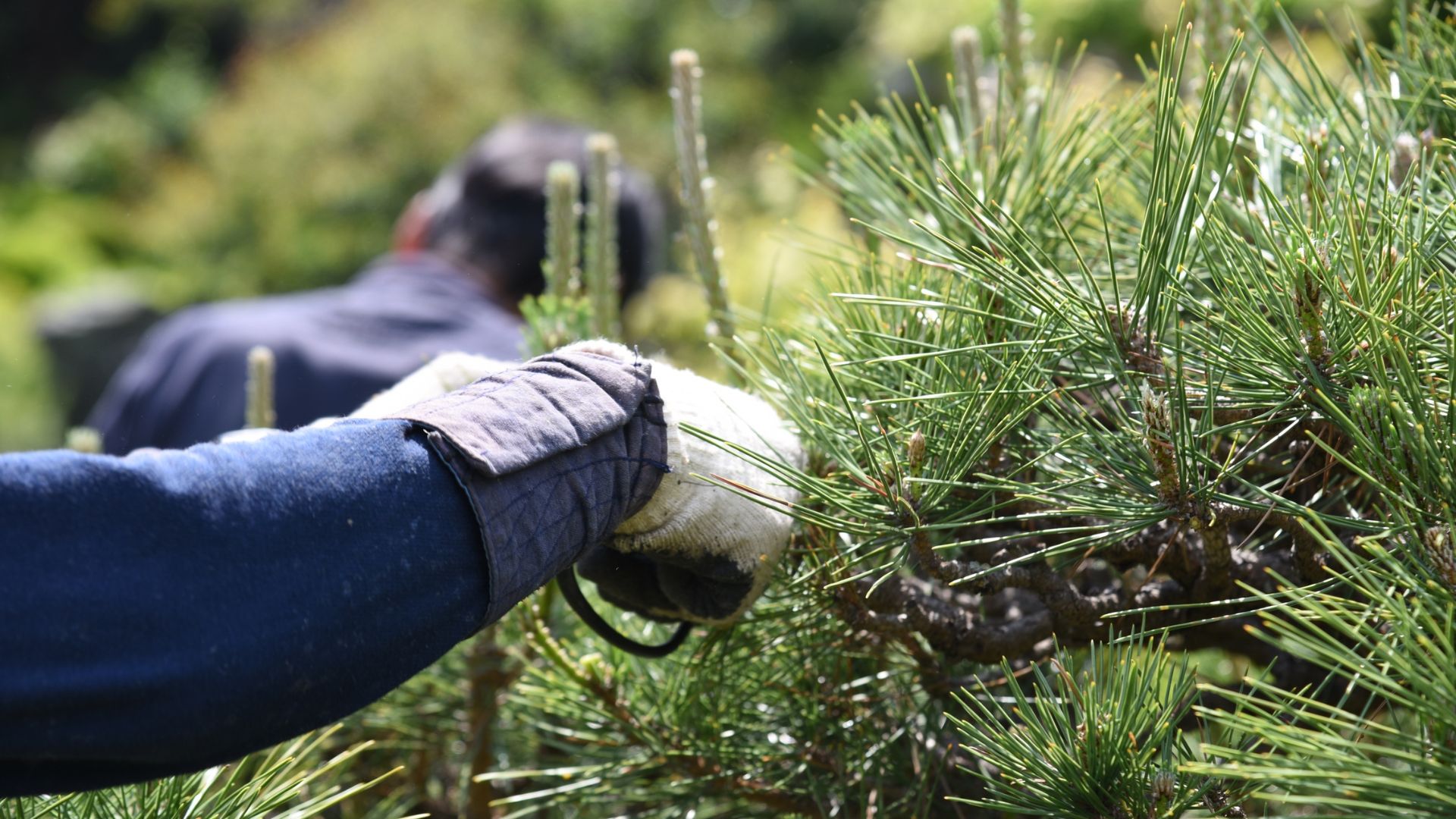
Recognizing the Warning Signs of Stressed Pine Trees
Your pine trees are trying to tell you something, and learning their language doesn’t require a forestry degree. You just need to know what to look for:
Needle Discoloration and Loss
Healthy pine trees should have vibrant green needles throughout most of the year, but stressed pine trees tell a different story. You might notice needles turning yellow, brown, or even reddish, starting from the inside of the branch and working outward. Premature needle drop is another red flag. If your pine is shedding needles outside of its normal seasonal pattern, something’s wrong.
Thinning Canopy and Sparse Growth
Take a step back and look at the overall shape of your pine tree. Does it look thinner than it used to, with more sky visible through the branches? Stressed pine trees often develop a sparse, see-through appearance as they struggle to produce new growth. You might notice shorter needle length compared to previous years, fewer new shoots at branch tips, or an uneven canopy with some areas fuller than others. Thinning indicates your tree has likely been struggling for a while.
Excessive Sap or Resin Flow
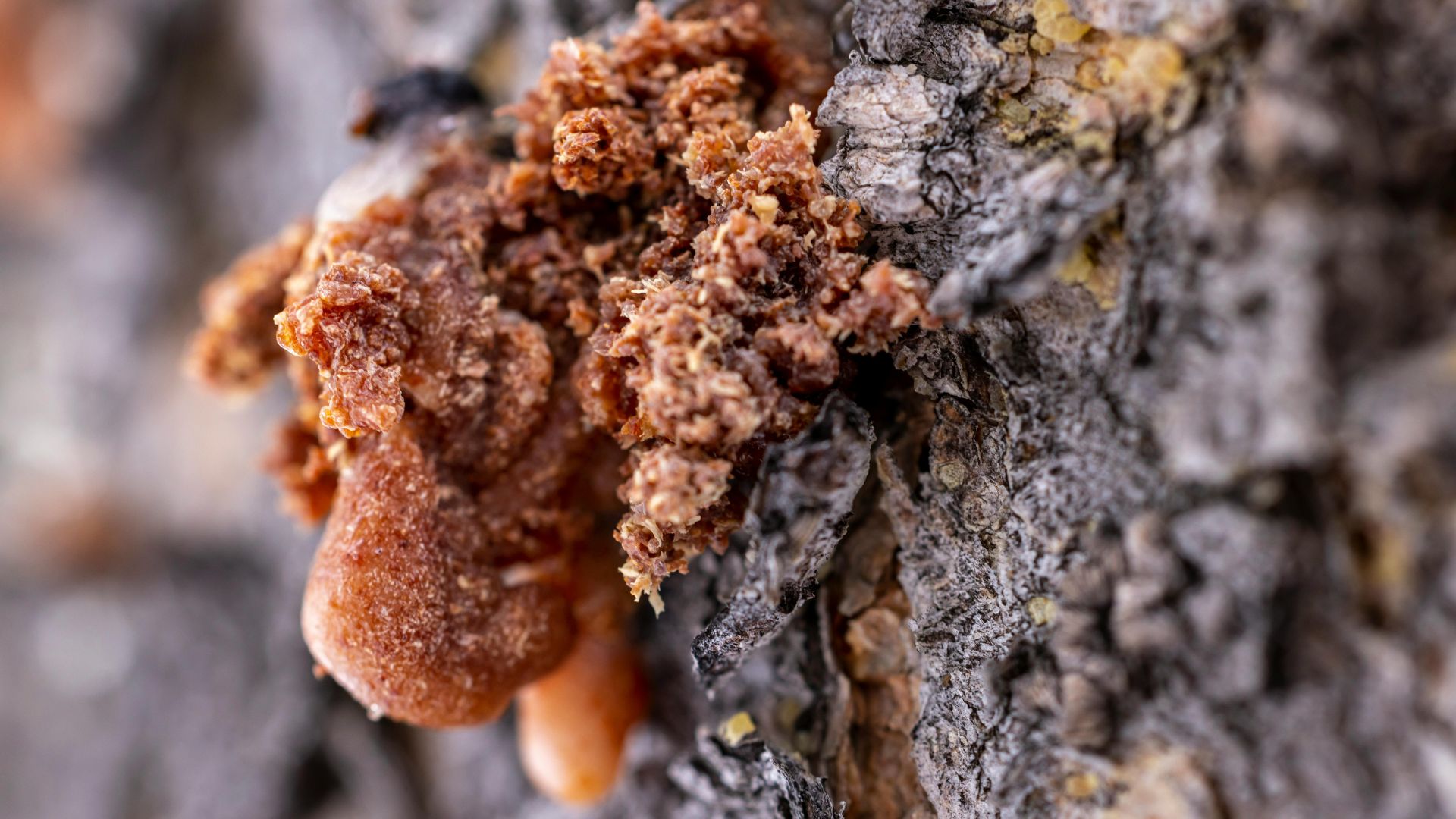
While pine trees naturally produce some sap, stressed pine trees often go into overdrive. You might see large amounts of sticky resin oozing from the trunk or crystallized deposits. Excessive sap production is often the tree’s defense mechanism against boring insects or disease. If you’re finding popcorn-like pitch masses on the bark, your tree is likely fighting an infestation and is weakened by stress.
Bark Changes and Damage
The bark of your pine tree should be relatively intact and firmly attached. Stressed pine trees may develop cracks, splits, or areas where the bark is peeling away from the trunk. Small holes in the bark (about the size of a pencil lead) indicate boring insects have moved in, taking advantage of your tree’s weakened state. Woodpecker activity, visible as larger holes or stripped bark, often indicates the presence of insects, which typically infest only trees that are already sick.
Related: Tree Health Inspection in Colorado Springs: 5 Winter Problems Homeowners Miss
What’s Causing Your Pine Trees to Struggle?
Understanding why your pines are stressed helps you address more than just the symptoms. Colorado Springs presents unique challenges that put constant pressure on your trees, and often multiple stressors work together to weaken them.
Drought and Water Stress
Stressed pine trees suffer most when water is scarce. Colorado Springs averages only about 17 inches of precipitation annually, which isn’t nearly enough for established trees during hot, dry summers. Even mature pines need supplemental watering during extended dry periods. Many homeowners assume established trees can fend for themselves, but that assumption leads to chronic water stress that weakens trees over time.
Pest Infestations
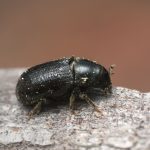
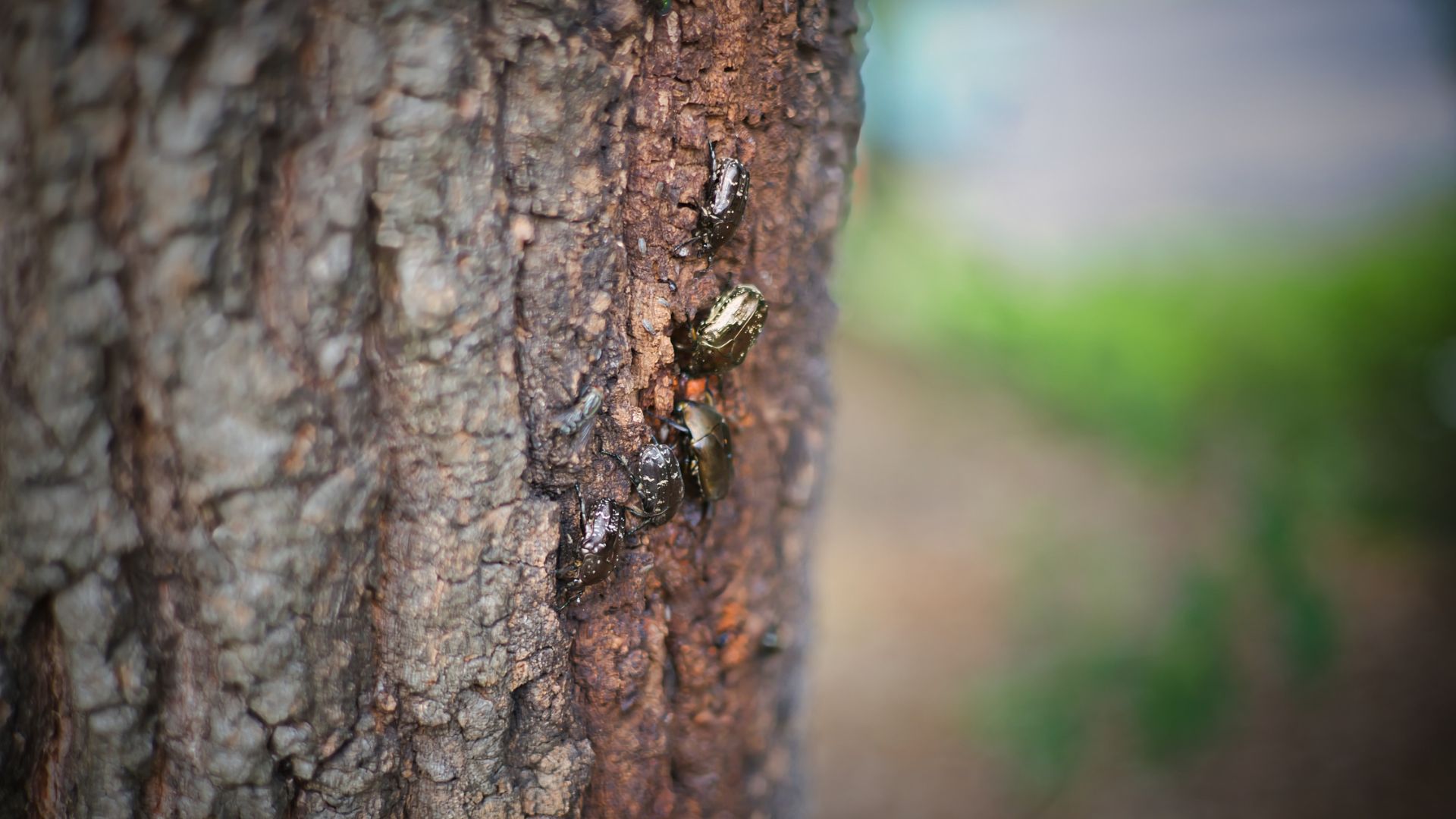
Bark beetles, particularly the Ips beetle and mountain pine beetle, are opportunistic insects that target stressed pine trees throughout our area. Tiny tree destroyers bore into weakened trees, laying eggs and introducing fungi that block the tree’s ability to transport water and nutrients. Healthy, well-watered trees can often defend themselves against beetle attacks, but stressed trees simply don’t have the resources to fight back. Once a tree is infested, it can die within months.
Disease and Fungal Issues
Several diseases affect pine trees in Colorado Springs, and they almost always target trees that are already weakened. Dothistroma needle blight causes needles to develop brown bands and eventually die, spreading during wet spring weather. Cytospora canker creates sunken, discolored areas on branches and trunks, often entering through wounds or damaged bark. Root rot diseases develop in poorly drained soils, slowly killing the root system and starving the tree. You might not see these diseases right away, but over time, they compound and accelerate decline.
The Cost of Waiting: What Happens If You Ignore Stressed Pine Trees
Maybe you’re thinking those brown needles aren’t that bad, or you’ll deal with it next season when you have more time. That’s a gamble that rarely pays off, and here’s why waiting usually makes everything worse and more expensive.
Safety Hazards Multiply
Stressed pine trees become structurally unstable much faster than you’d expect. Weakened branches can drop without warning, threatening anything below. A tree that looks “okay” today might drop a major limb tomorrow, or the entire tree could fail during the next windstorm, putting you at risk for emergency removal. The liability of a damaged car, injured person, or crushed fence far exceeds the cost of a tree inspection.
Pest Problems Spread
Bark beetles don’t stay in one tree. Once they’ve killed your stressed pine, they emerge as adults and immediately search for their next victim. If you have multiple pines on your property, ignoring one stressed tree can trigger a domino effect that takes down your entire landscape. Your neighbors won’t appreciate it either when beetles from your property infest their trees.
Property Value Takes a Hit
Dead and dying trees are eyesores that potential buyers notice immediately, and they raise red flags about property maintenance and hidden problems. A landscape full of stressed trees suggests neglect and creates concerns about safety for potential buyers.
Wildfire Risk Increases Dramatically
Stressed pine trees are fuel waiting for a spark. Dead needles, dry branches, and weakened trees create exactly the conditions that allow wildfires to spread rapidly through neighborhoods. After the devastating fires our region has experienced, you can understand why wildfire mitigation isn’t optional.
You May Also Like: Seasonal Wildfire Mitigation Plan: Protecting Your Colorado Springs Property Throughout the Year
How to Address Stressed Pine Trees: Solutions That Actually Work
The right approach depends on the severity of stress and the underlying causes, but every situation benefits from professional assessment and targeted treatment.
Proper Watering
If drought stress is the culprit, establishing a consistent watering schedule can help your trees recover. Deep, infrequent watering is far more effective than frequent shallow watering. You want moisture to reach the entire root zone, which extends well beyond the drip line. During dry periods, mature pines need 10 gallons of water for every inch of trunk diameter, applied slowly over several hours to allow deep penetration.
Strategic Pruning and Maintenance
Removing dead, diseased, or damaged branches improves your tree’s overall health and reduces safety hazards. Proper pruning techniques help trees heal and redirect energy to healthy growth. Thinning dense canopies improves air circulation, reducing disease pressure and allowing better light penetration.
Professional Treatment and Intervention
Some situations require professional treatment. Insecticide treatments can protect high-value trees from beetle infestations, but they must be applied preventively before beetles attack. Fungicide applications can slow or stop certain diseases when caught early. Soil amendments and fertilization programs address nutrient deficiencies that contribute to stress. Finally, root zone treatments improve soil structure and biology, helping trees access water and nutrients more efficiently.
See Also: 7 Signs Your Colorado Springs Property Needs Professional Tree Trimming
Removal When Necessary
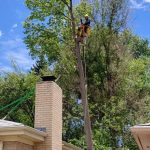
Sometimes the most responsible decision is removing a tree that’s beyond saving. If a pine tree is more than 50% dead, heavily infested with bark beetles, or poses an immediate safety hazard, removal prevents the problem from spreading and eliminates the danger. Professional tree removal ensures the removal is done safely, without damaging your property or the surrounding landscape.
Take Action Before Your Stressed Pine Trees Become a Crisis
You’ve invested too much in your home and property to let stressed pine trees compromise your safety, landscape, and peace of mind. The warning signs are clear, the risks are real, and the solutions are available. Every day you wait gives pests more time to spread, diseases more opportunity to advance, and structural problems more chance to become dangerous.
Get in touch with Peak Tree Service today for a free, no-obligation assessment of your pine trees. Owner Don Ruybal will personally inspect your property, explain exactly what’s happening with your trees, and provide a detailed quote for the services you actually need. Your pine trees are crying out for help. Let’s answer that call together.
FAQs: Stressed Pine Trees
How do I know if my pine tree is stressed or dying?
Look for brown or yellowing needles, thinning canopy, excessive sap or resin flow, and bark damage like cracks or small holes. Pine trees often show multiple symptoms simultaneously, especially during Colorado Springs’ hot, dry summers. If you notice these warning signs, contact Peak Tree Service for a free assessment. Early intervention can save your tree and prevent costly removal down the road.
Can a stressed pine tree recover?
Yes, if caught early and the underlying causes are addressed promptly. Trees suffering from drought stress, minor pest pressure, or nutrient deficiencies can recover with proper watering, pruning, and professional treatments. However, trees that are more than 50% dead or heavily infested with bark beetles typically cannot be saved and should be removed to protect surrounding trees.
How often should I water pine trees in Colorado Springs?
Mature pine trees need deep watering every 2-4 weeks during dry periods, providing about 10 gallons of water per inch of trunk diameter. Water slowly over several hours to ensure moisture reaches the entire root zone, which extends well beyond the drip line. Increase watering frequency during extended hot, dry spells and reduce it during cooler months or after significant rainfall.