
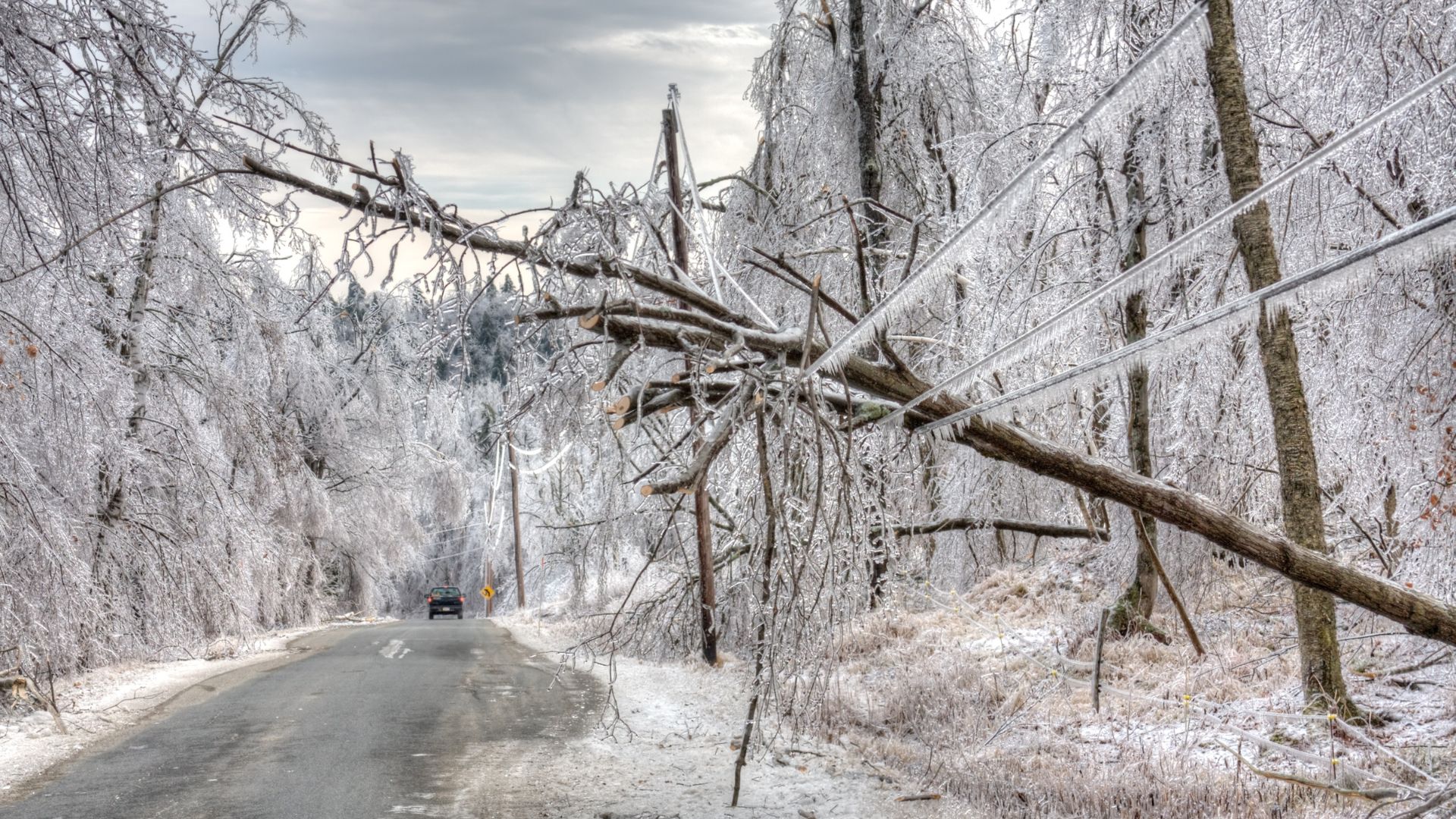
Summary: Ice storm tree protection can save your property before winter weather arrives, as ice accumulation can add hundreds of pounds to branches and cause catastrophic damage to your property. Peak Tree Service offers comprehensive fall assessments and strategic pruning to remove dead branches, address weak unions, and reduce ice loading risks, preventing costly emergency repairs later. Our locally-owned company provides same-day quotes, transparent pricing, and over 20 years of experience preparing trees for Colorado’s harsh winter conditions.
How Ice Storms Cause Damage to Trees
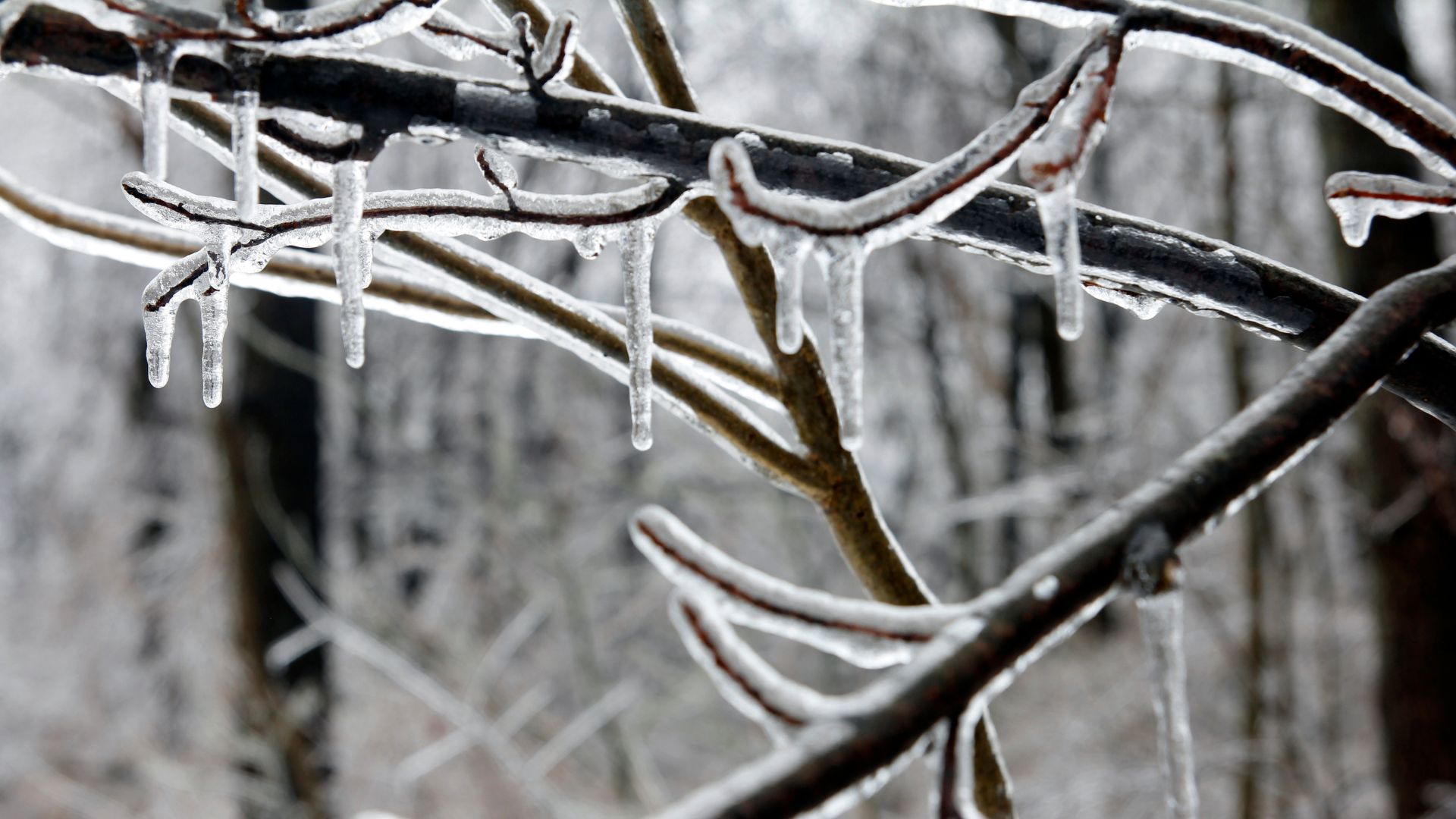
Even a quarter-inch of ice accumulation on your trees can add significant weight to branches and limbs. A single cubic foot of ice weighs approximately 57 pounds, and that weight multiplies quickly across the entire tree. When enough ice accumulates, branches snap, limbs fall, and sometimes entire trees come crashing down onto whatever sits below them.
In Colorado Springs, we have the perfect conditions for freezing rain. Some trees, like our native ponderosa pines, have adapted somewhat to heavy snow loads but still struggle with ice. Other popular landscape trees weren’t designed for our weather at all. You need to understand which trees on your property face the highest risk and what you can do about it before the first winter storm approaches.
Related: Winter Tree Damage in Colorado Springs: How Freeze-Thaw Cycles Harm Your Trees
Why Ice Storm Tree Protection Starts in Fall
The ideal time for ice storm tree protection is before the first hard freeze arrives. During this window, your trees are entering dormancy, which means pruning causes less stress and the risk of disease drops significantly. Most importantly, you have time to address problems methodically.
Waiting until winter means you’re gambling with your property. Once ice storms start rolling through Colorado Springs, tree service companies get overwhelmed with emergency calls. You’ll find yourself on a waiting list while that dangerous branch hangs over your home.
Signs You Have Tree Vulnerabilities You Need to Address
Your trees are telling you where they’re vulnerable; you just need to know what to look for.
Dead or Dying Branches
Dead or dying branches represent your highest risk because they’ve already lost structural integrity. Add ice weight, and they’re coming down. You can identify dead branches by their lack of flexibility, missing bark, and absence of buds or growth. Dying branches need a tree trimming appointment before winter, no exceptions.
Weakened Branches
Weak branches are another serious vulnerability. When two branches grow too closely together or form a V-shape rather than a U-shape, the connection point becomes structurally weak. Co-dominant stems, where a tree has two main trunks competing for dominance, present similar risks. Ice loading exploits these weak unions mercilessly, requiring professional ice storm tree protection.
Overextended Branches
Overextended branches that reach far from the trunk act like levers when ice accumulates. The farther the branch extends, the more torque ice creates at the connection point. You’ve probably noticed branches that seem to stretch impossibly far over your driveway or toward power lines. These branches need strategic trimming to reduce their length and weight, decreasing the leverage ice can exert.
Previous Damage
Previous storm damage that wasn’t properly addressed continues weakening your trees. Partially broken branches? They’re not healing. They’re dying and becoming more dangerous. Torn bark, split trunks, and hanging branches all need professional attention before they become complete failures during the next ice storm.
You May Also Like: Tree Health Inspection in Colorado Springs: 5 Winter Problems Homeowners Miss
Practical Steps for Ice Storm Tree Protection
Beyond professional tree service, you can take several steps to protect your property. Start by walking your property and identifying trees that overhang structures, vehicles, or high-traffic areas. Take photos of concerning branches so you can discuss them specifically when you call for an assessment. Remove any dead branches you can safely reach from the ground using proper tools, but please don’t attempt to remove large branches, work near power lines, or climb trees yourself. Tree work ranks among the most dangerous jobs in America, and homeowners lack the training, equipment, and insurance to do it safely.
Keep your trees healthy year-round by properly watering them, especially during our dry Colorado winters. Healthy trees withstand ice loading better than stressed trees. Water deeply but infrequently, focusing on the drip line where feeder roots absorb moisture. Avoid fertilizing in the fall, as this encourages new growth that won’t harden off before winter.
When to Call for Professional Assessment
You should schedule a professional assessment if you notice any warning signs:
- dead or dying branches
- cracks in trunks or major limbs
- leaning trees
- mushrooms growing on trunks
- storm damage from previous years
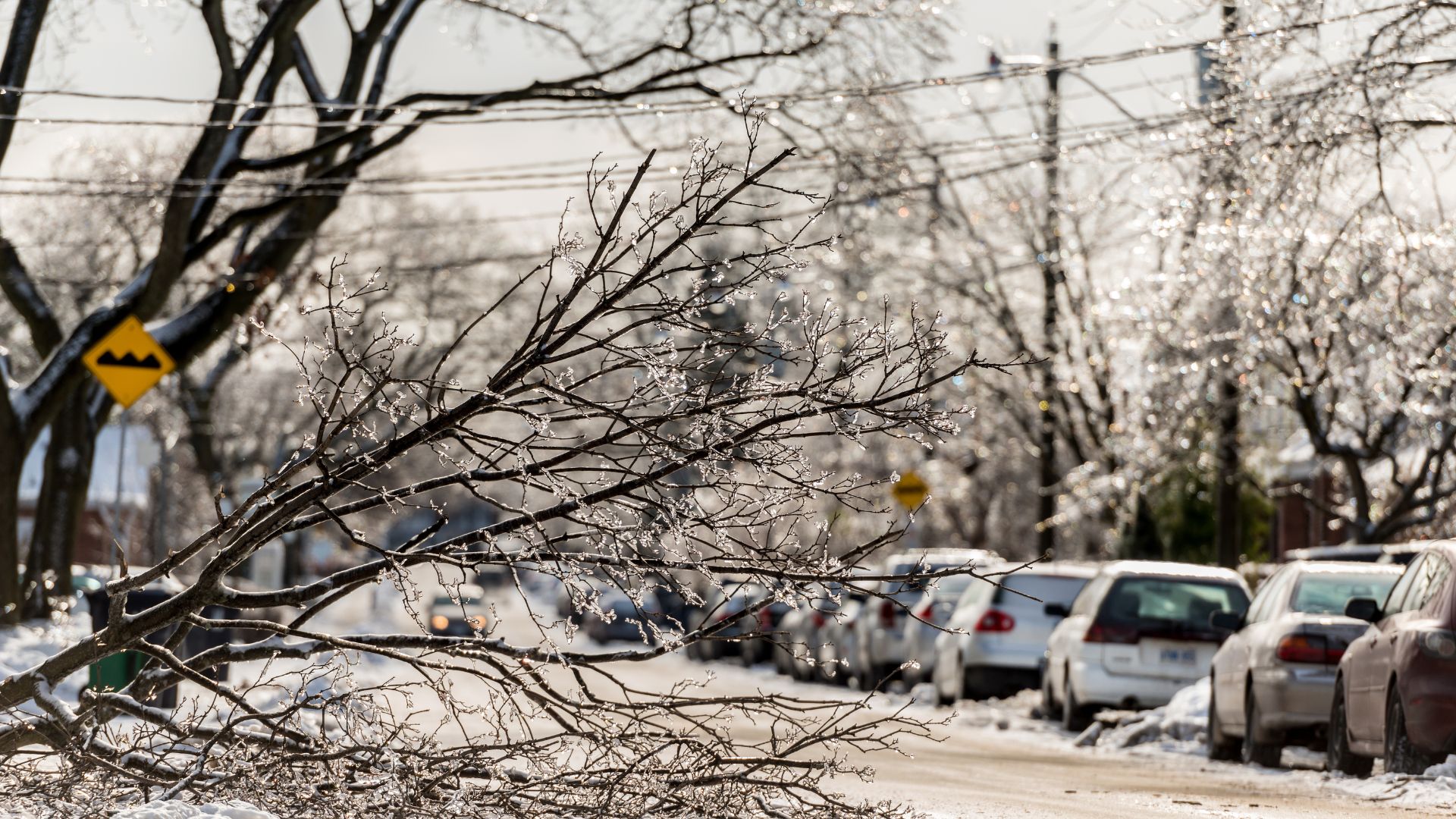
Don’t wait for the perfect time. If something concerns you, get it checked. A quick ice storm tree protection assessment provides peace of mind or identifies problems before they become emergencies requiring full tree removal. .
Why Your Trees Probably Need a Checkup
Even without obvious warning signs, mature trees benefit from professional evaluation every few years. Trees change over time, developing new vulnerabilities as they age. What was safe five years ago might pose risks today. Regular assessments catch developing problems early when solutions are simpler and less expensive.
Peak Tree Service’s Approach to Ice Storm Tree Protection
At Peak Tree Service, we’ve spent over 20 years perfecting ice storm tree protection. Our approach focuses on thorough assessment, strategic pruning, and honest communication about what your trees need. We start by evaluating your entire property, not just the tree you called about. Our comprehensive inspection identifies all vulnerable trees and prioritizes them by threat level. Then, you’ll receive a detailed explanation of what we found, why it matters, and what we recommend. No confusing jargon, no pressure tactics, just clear information to help you make an informed decision.
Our pruning techniques specifically address ice storm vulnerabilities. We remove dead and dying branches completely. We thin dense canopies to reduce ice accumulation on surfaces. We shorten overextended limbs to decrease leverage. We address weak unions before they fail. Every cut we make considers the tree’s health, structural integrity, and your property’s safety. Unlike companies that simply hack away at trees, we understand proper pruning promotes long-term tree health while reducing immediate risks.
We also offer emergency services when prevention isn’t enough or when unexpected storm damage occurs. While we strongly encourage preventive maintenance, we understand that emergencies happen. Our team responds quickly to dangerous situations, removing fallen trees and securing damaged limbs before they cause additional problems.
Make Your Next Winter Safer with Ice Storm Tree Protection from Peak Tree Service
Don’t wait until ice is already accumulating on your branches. Don’t gamble with your home, your vehicles, or your family’s safety. Take control of your property’s winter preparedness now, while you still have time to address problems properly. Peak Tree Service has helped thousands of Colorado Springs homeowners protect their properties from winter storm damage. We’re ready to help you, too. Get in touch with Peak Tree Service today for your free, same-day assessment on ice storm tree protection. Your trees and your property will thank you when the next ice storm hits.
FAQs: Ice Storm Tree Protection
When is the best time to prepare trees for ice storms in Colorado Springs?
The best time for ice storm tree protection is late fall, before the first hard freeze arrives. During this period, trees are entering dormancy, which means pruning causes less stress and reduces disease risk. Waiting until winter storms are already forecasted means you’ll face higher emergency service costs and longer wait times.
How much ice does it take to damage a tree?
Even a quarter-inch of ice accumulation can add significant weight to tree branches and cause damage. A single cubic foot of ice weighs approximately 57 pounds, and this weight multiplies quickly across an entire tree canopy. Trees with dead branches, weak unions, or overextended limbs are especially vulnerable to ice loading and can fail catastrophically.
What are the signs that my trees need professional assessment before winter?
You should call for a professional tree assessment if you notice dead or dying branches, cracks in trunks or major limbs, leaning trees, weak V-shaped branch unions, or previous storm damage that wasn’t properly addressed. Contact Peak Tree Service today at (719) 465-7268 for a free, same-day assessment from owner Don Ruybal, who will provide honest recommendations for protecting your property before winter weather arrives.
Related posts:
 Winter Tree Damage in Colorado Springs: How Freeze-Thaw Cycles Harm Your Trees
 Tree Health Inspection in Colorado Springs: 5 Winter Problems Homeowners Miss
 Dead Tree Removal in Colorado Springs: Why Immediate Action Protects Your Home
 Spring Tree Inspections in Colorado Springs: Pre-Season Checklist for Pikes Peak Homeowners