
Freeze-Thaw Cycles and Their Impact on Trees
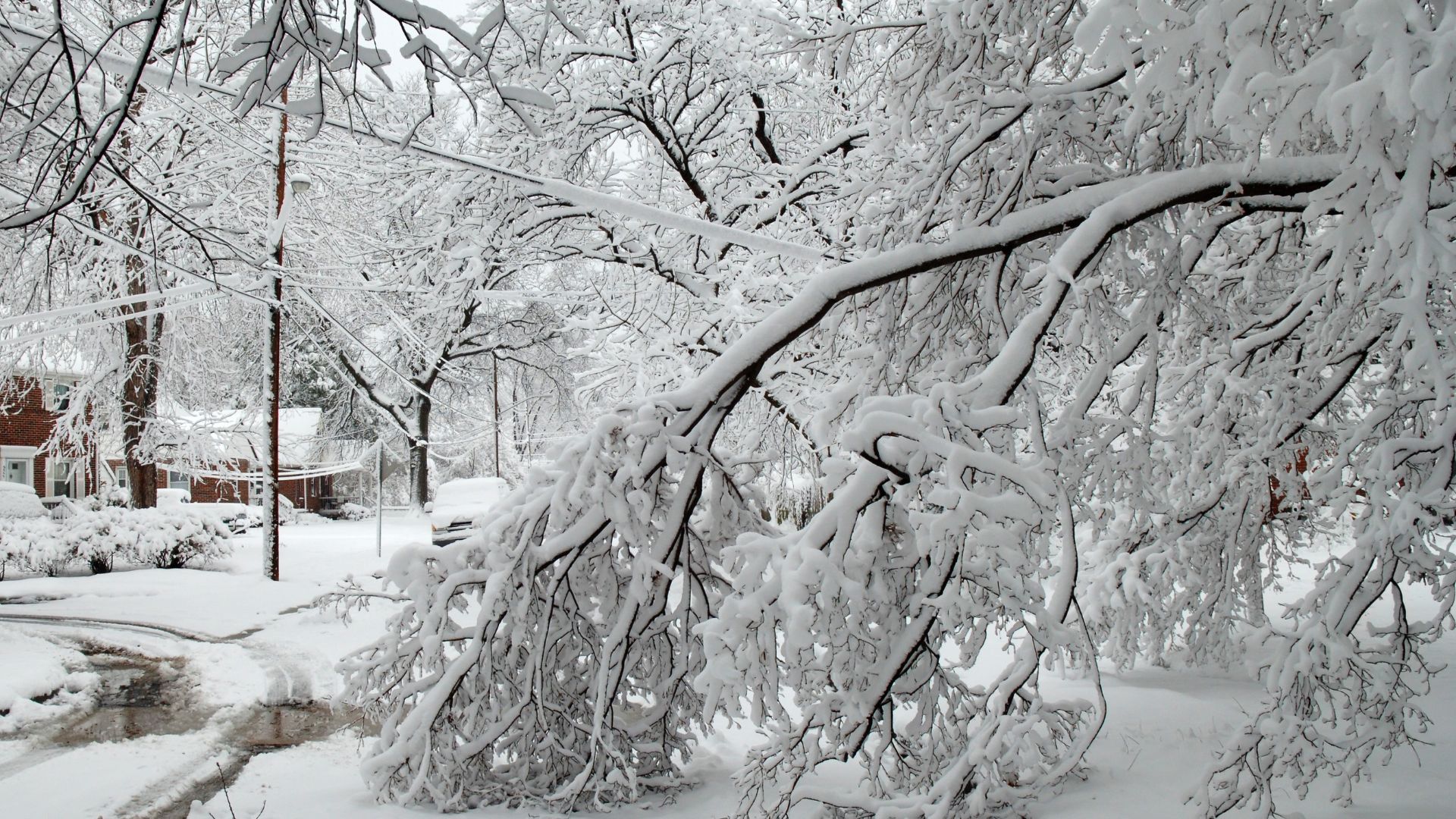
You’re probably familiar with our region’s dramatic temperature swings; these extreme fluctuations force water inside your trees to repeatedly freeze and expand, then thaw and contract, creating physical stress throughout the entire structure. The expanding ice crystals damage cell walls within the tree tissue, disrupting the vascular system that transports water and nutrients. Unlike humans, who can bundle up or seek shelter, your trees remain fully exposed, leading to winter tree damage.
Freeze-thaw patterns affect different tree species in varying ways, with some native varieties having evolved natural resistance, while non-native ornamental species often suffer the most damage. You’ll notice that trees with thinner bark, like maples, fruit trees, and younger specimens, generally show damage more readily than established pines or oaks with thicker protective layers.
The direction your tree faces also plays a significant role. South and west-facing sides typically sustain more damage because they experience more dramatic temperature fluctuations as sunshine warms them during the day before temperatures drop at night.
Common Signs of Winter Tree Damage You Shouldn’t Ignore
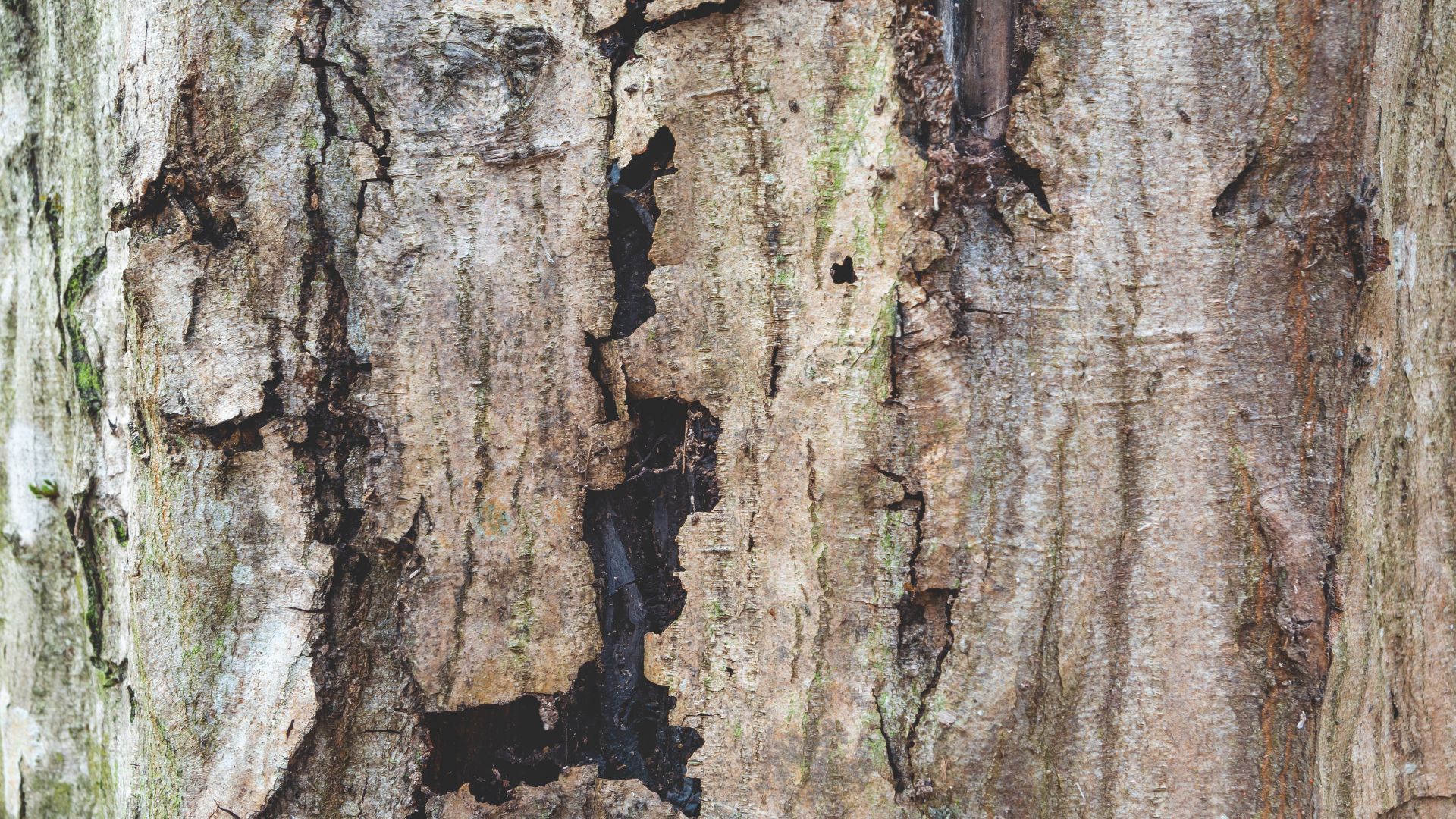
The telltale indicators of winter tree damage often appear gradually, but you should train your eyes to spot them early before conditions worsen. Sunscald, one of the most common forms of winter tree damage, manifests as elongated, discolored, sunken areas on the trunk, typically on the south or southwest side of your trees. You might notice the bark in these areas becoming cracked, split, or even sloughing off entirely, exposing the vulnerable inner tissues to disease and pests. Sunscald damage occurs when sunny winter days warm the bark and activate tissue, only for rapid nighttime freezing to kill those newly active cells.
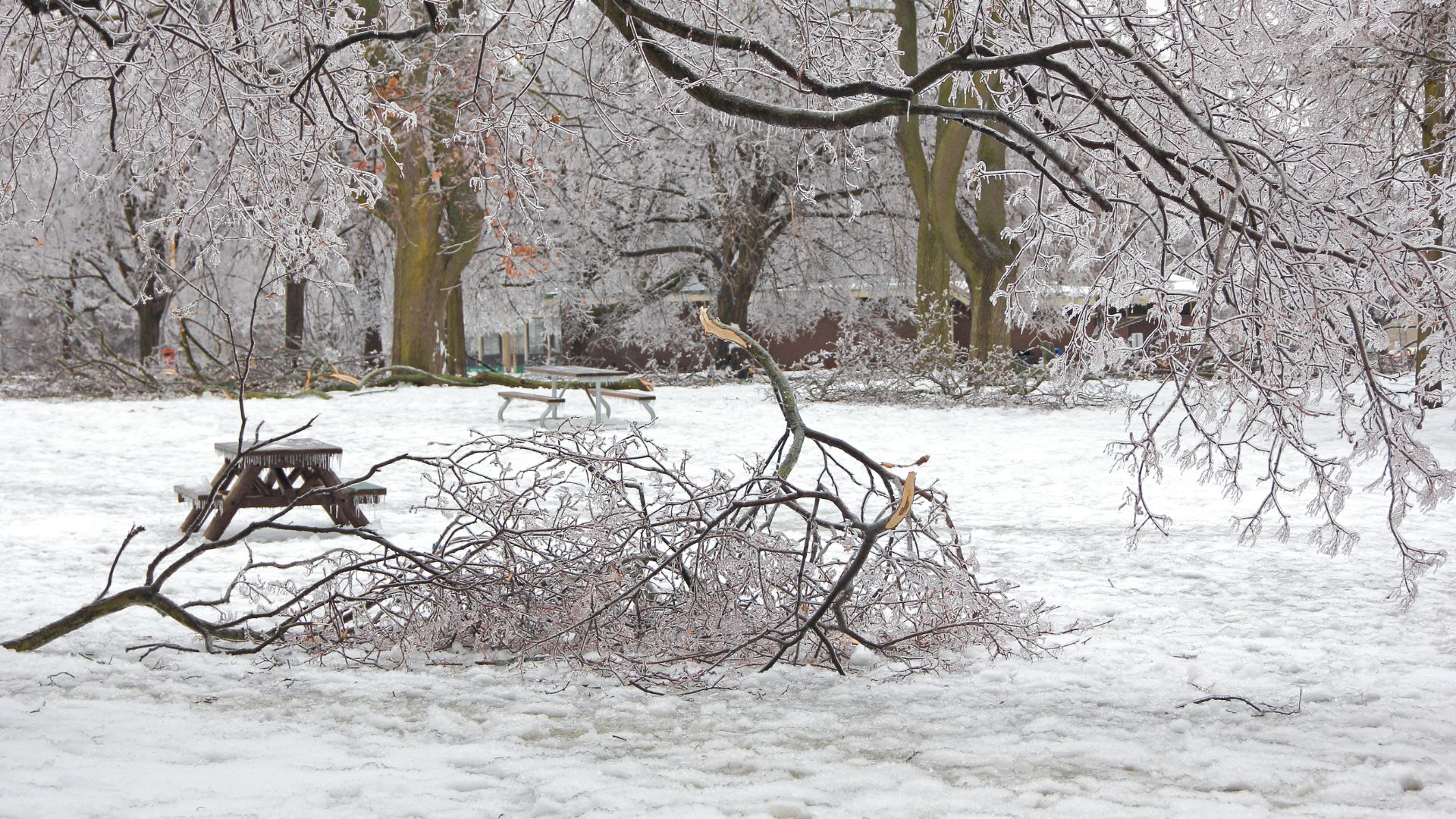
Branch breakage represents another serious consequence of winter’s freeze-thaw cycles that demands your immediate attention. You might wake up after a cold snap to find significant limbs cracked or broken entirely, hanging precariously over your roof, driveway, or play areas. Breakage happens when moisture inside branches freezes, expands, and literally splits the wood from within. Also watch for signs of root damage, which may not become apparent until spring. Trees that seem unusually slow to leaf out, show signs of dieback, or develop leaf discoloration may have suffered root system damage from ground freezing and thawing.
Related: Tree Health Inspection in Colorado Springs: 5 Winter Problems Homeowners Miss
How to Identify Trees at Risk Before Damage Occurs
Being proactive allows you to identify vulnerable trees on your property before winter tree damage occurs. You should assess your landscape in late fall, paying particular attention to younger trees with thin bark, newly planted specimens that haven’t established extensive root systems, and non-native ornamental species. Previous damage is a reliable predictor of future vulnerability, so examine your trees carefully for existing injuries that winter conditions are likely to worsen.
You should look for trees showing signs of stress from the previous growing season. Look for reduced leaf size, premature fall color, thinning canopy, or evidence of insect activity, as compromised trees will have fewer energy reserves to withstand winter. Multi-stemmed trees or those with included bark (where bark grows inward at branch unions) present structural weaknesses that freeze-thaw cycles exploit, making them particularly prone to splitting.
If you’re not sure what to look for, it’s always a good idea to reach out to the professionals at a tree care company like Peak Tree Service. Professional inspectors will have the experience and know-how to effectively diagnose and treat your trees from pests, stress, or disease.
Preventative Measures That Actually Work Against Winter Tree Damage
Implementing effective preventative strategies can significantly reduce winter tree damage. Proper hydration is perhaps the most important preventive measure you can take, as well-hydrated trees withstand freeze-thaw cycles much better than drought-stressed ones. You should water your trees deeply (applying water slowly to a depth of 12 inches) during dry fall and winter days when temperatures are above 40 degrees.
Physical protection provides another effective defense against winter tree damage that you can easily implement. Wrapping young or thin-barked trees with light-colored commercial tree wrap from the ground to the first major branches creates a reflective barrier that prevents sunlight from being absorbed. You should apply this wrap in late October or early November and remove it in April to prevent bark softening or insect problems. Additionally, applying 3-4 inches of mulch in a ring around trees can help insulate the root systems from extreme temperatures.
Recovery Strategies for Trees Already Showing Winter Damage
When your trees already show signs of winter damage, it’s super important to implement the right recovery strategies to avoid an emergency removal. For sunscald and frost cracks, avoid the common mistake of applying wound dressings or fillers, as these can trap moisture and potentially accelerate decay. Instead, practice clean pruning by removing only clearly dead or damaged tissue, creating smooth edges around wounds that allow the tree’s natural compartmentalization processes to function.
Appropriate aftercare significantly improves recovery outcomes for winter-damaged trees. You should implement consistent watering throughout the following growing season, particularly during dry periods, as recovering trees need water to heal. With proper care and patience, many trees showing moderate winter damage can make remarkable recoveries and continue providing beauty and shade to your property for decades to come.
You Might Also Like: Are You in Danger? When to Call for Emergency Tree Removal Services in Colorado Springs
Call Peak Tree Service When Winter Tree Damage Strikes
Timing matters tremendously when addressing winter tree damage, and waiting until spring often means missing opportunities for intervention. You should contact Peak Tree Service at the first signs of concerning damage, like cracks appearing in trunks, unusual branch breakage, or bark discoloration, rather than hoping the tree will “heal” come spring. Unlike many tree service companies that offer only basic cutting services, Peak Tree Service has a comprehensive understanding of the region’s tree vulnerabilities.
Don’t wait until winter damage threatens your trees and property. Get in touch with Peak Tree Service today to schedule your free property assessment with owner Don Ruybal. You’ll receive honest recommendations, transparent pricing, and service from a company that knows local trees.
FAQs: Winter Tree Damage
When should I wrap my trees to prevent winter damage in Colorado Springs?
Apply light-colored commercial tree wrap to young and thin-barked trees in late October or early November, covering from ground level to the first major branches. Remove the wrap in April to prevent bark softening and potential insect problems. For the best protection against winter tree damage and personalized recommendations for your specific tree species, contact Peak Tree Service at (719) 465-7268 for a professional assessment of your property’s unique needs.
Can trees recover from freeze-thaw damage?
Many trees can recover from moderate winter damage with proper care, though severe structural damage may require professional intervention or removal. Focus on consistent watering during the following growing season, apply mulch to regulate soil temperature and moisture, and avoid fertilizers that stimulate excessive new growth which diverts energy from healing. Monitor recovering trees closely for secondary problems like insect infestations or diseases, as winter-damaged trees often face increased susceptibility to these challenges.
What trees are most resistant to Colorado Springs winter conditions?
Native species like Ponderosa pine, Rocky Mountain juniper, Gambel oak, and Colorado blue spruce show excellent resistance to our region’s freeze-thaw cycles. These trees have evolved specifically for our climate conditions and generally outperform non-native ornamentals in winter resilience. Consider your specific property’s microclimate when selecting trees, as northern exposures or areas with afternoon shade often provide more stable winter conditions than south-facing locations.
Related posts:
 Tree Health Inspection in Colorado Springs: 5 Winter Problems Homeowners Miss
 Stressed Pine Trees Colorado Springs: How to Identify and Address Tree Stress
 Ice Storm Tree Protection: Safeguarding Your Colorado Springs Property Before Winter Weather
 Spring Tree Inspections in Colorado Springs: Pre-Season Checklist for Pikes Peak Homeowners